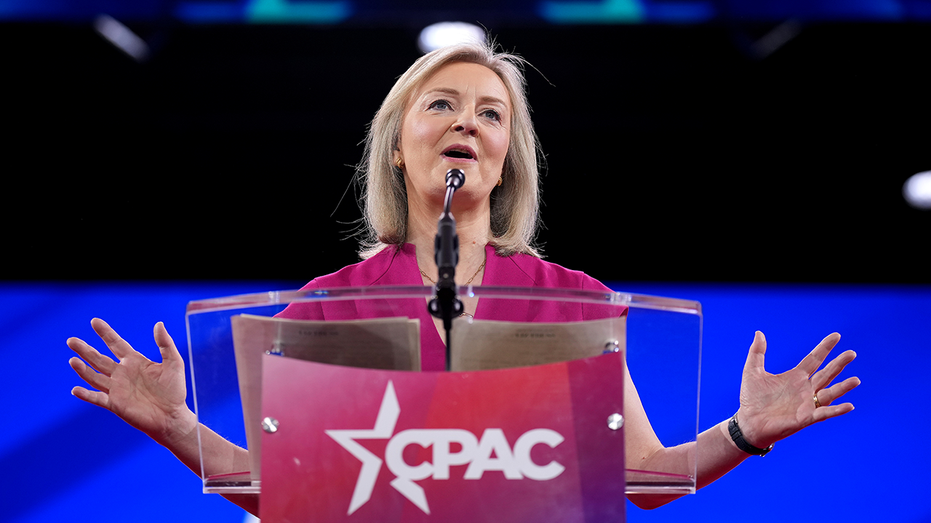
The 49 days Liz Truss spent as Prime Minister of the United Kingdom were a whirlwind of economic upheaval and intense scrutiny. Now, stepping outside the constraints of Downing Street, she’s determined to reveal what she believes was the true story behind her brief, turbulent premiership.
Truss asserts she wasn’t defeated by market forces, but actively undermined. She points a firm finger at the Bank of England, alleging they deliberately destabilized her economic plan – a “mini-budget” designed to spur growth – by announcing a sale of government bonds just before its release and failing to adequately regulate the pension market. This, she contends, ignited the crisis.
The Bank of England disputes this account, maintaining that Truss’s own policies triggered the market crash. Her proposals sent gilt prices plummeting, dramatically increasing government borrowing costs and forcing the Bank to intervene to prevent a complete collapse.
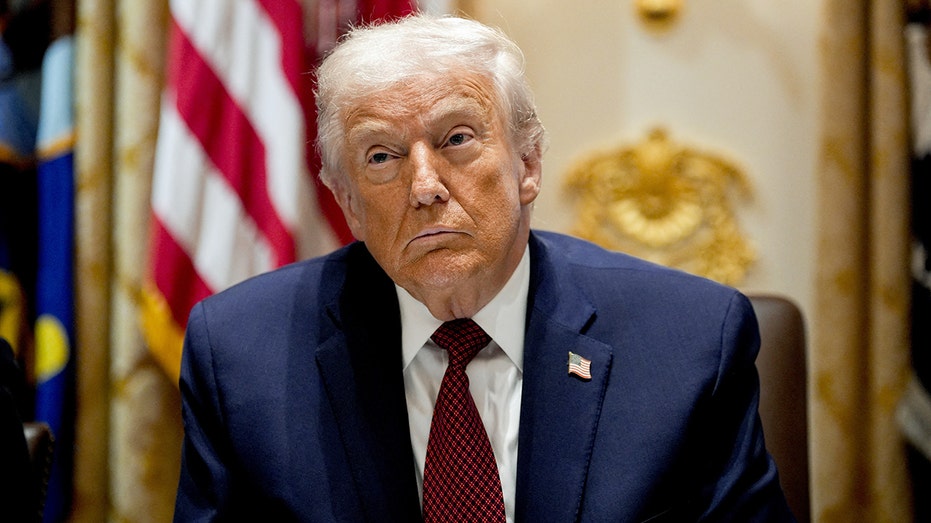
Beyond the economic battles, Truss speaks of resistance from within her own party – “conservatives in name only,” she calls them – who she believes actively worked against her agenda. This echoes a familiar refrain, reminiscent of the “RINO” label frequently used by former President Donald Trump to describe those he perceives as insufficiently conservative.
The parallels between Truss and Trump extend beyond political adversaries. Both express deep frustration with what they see as biased media coverage. Truss openly shares Trump’s disdain for the BBC, noting his current legal battle against the broadcaster over what he claims is the dissemination of false information.
Truss isn’t simply focused on revisiting the past. She’s launched a new YouTube show, “The Liz Truss Show,” with a clear mission: to reshape the economic and political conversation in Britain. She believes crucial truths about issues like free speech and migration are being suppressed.
Her show aims to give voice to those she feels have been ignored, the “victims” of policies she believes are detrimental to Britain. Early guests include figures like Steve Bannon and Matt Goodwin, signaling a platform for challenging conventional wisdom.
Truss’s ambitions reach beyond domestic policy. She’s actively seeking to understand and learn from the political movements gaining traction elsewhere, particularly in the United States. She sees a potential “Trump-style revolution” as a path to revitalizing Britain and Europe.
At the heart of her concerns lies what she describes as a fundamental assault on Western civilization. She believes a powerful force seeks to dismantle traditional values, the nation-state, and the family, and she’s determined to fight back, championing Christian values and free speech.
On the international stage, Truss applauds Trump’s proactive approach to peace negotiations in the Middle East. She also urges Europe to take greater responsibility for its own defense, particularly in the context of the ongoing conflict in Ukraine, advocating for increased spending and self-reliance.
She acknowledges the need for a resolution in Ukraine, but insists it cannot come at the expense of allowing Vladimir Putin to claim victory. Truss also commends Trump’s recent actions against suspected drug traffickers from Venezuela, recognizing the security threat they pose to the United States.
Truss views Venezuela’s descent into economic ruin under a communist regime as a cautionary tale, emphasizing the dangers of such ideologies. She supports decisive action to combat the flow of narcotics that threaten American lives, acknowledging the President’s authority to utilize all available resources.
Ultimately, Truss’s new platform represents a determined effort to reclaim her narrative and ignite a broader debate about the future of Britain – and, she believes, the West. It’s a story of perceived sabotage, ideological battles, and a resolute commitment to her vision for a revitalized nation.