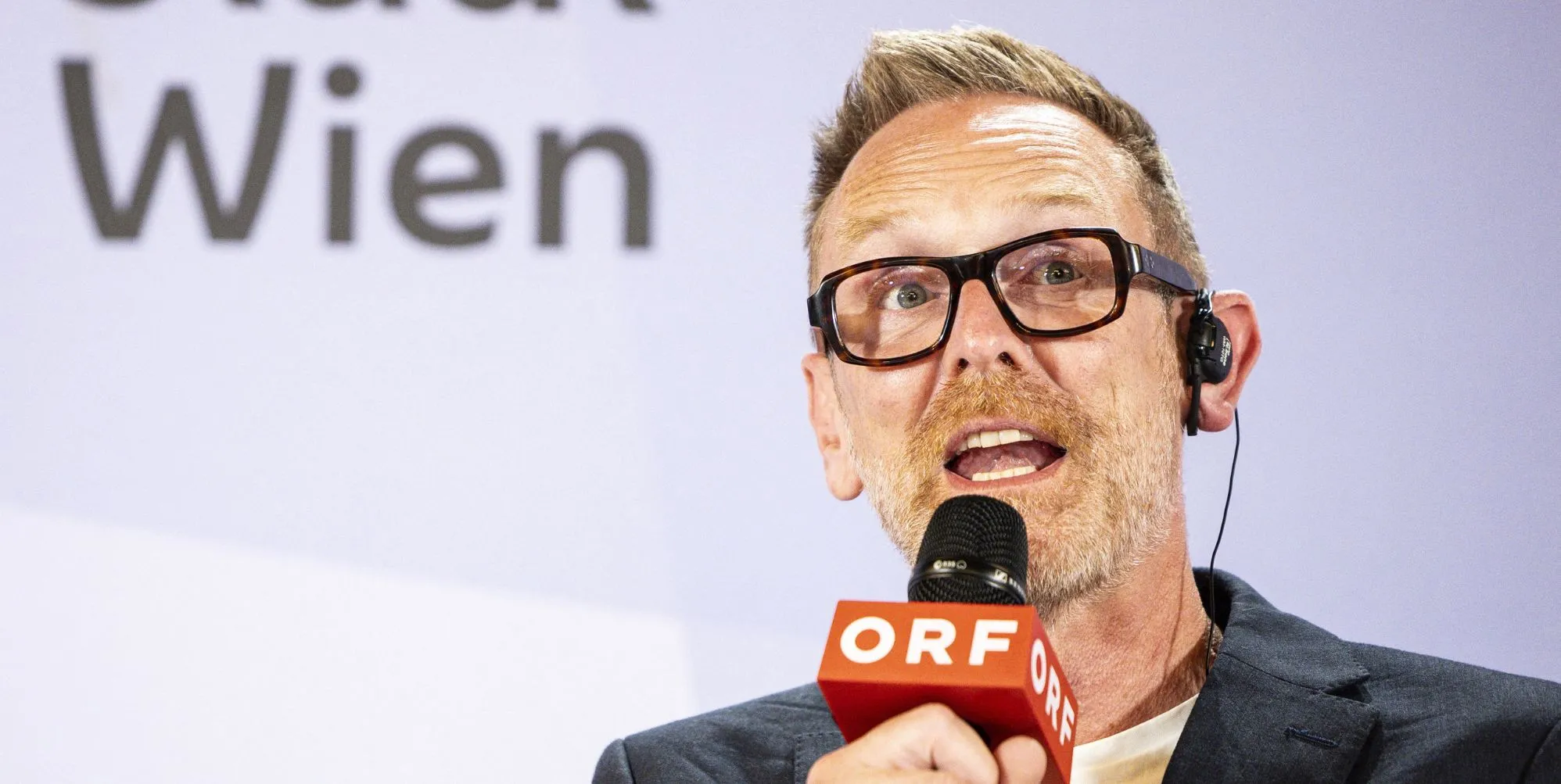
A storm of protest has erupted around the Eurovision Song Contest, ignited by a letter from its director, Martin Green, that many feel profoundly missed the mark. Published after the decision to allow Israel’s participation in the 2026 event, the message was intended to address growing fan outrage – but instead, fueled the fire.
Green acknowledged the “strong emotions” surrounding the contest, and the weight of events unfolding in the Middle East. He spoke of being “moved” by the suffering witnessed in recent years, referencing the conflict that has tragically claimed over 70,000 Palestinian lives in Gaza and more than 2,000 Israeli lives. Yet, crucially, he did not name Gaza.
Fans, already angered by the inclusion of Israel amidst ongoing conflict, expressed dismay at what they perceived as a deliberate silence. They had written to Green seeking acknowledgement of the immense tragedy, and received a response that, to many, felt hollow and evasive – a simple statement that “we hear you” and “we care too.”
The contest’s origins, Green reminded readers, lay in post-war unity and celebration. He hoped Eurovision would remain a space for forging friendships and discovering new talent. But this appeal to the contest’s ideals rang false for critics, overshadowed by the perceived failure to address a present-day humanitarian crisis.
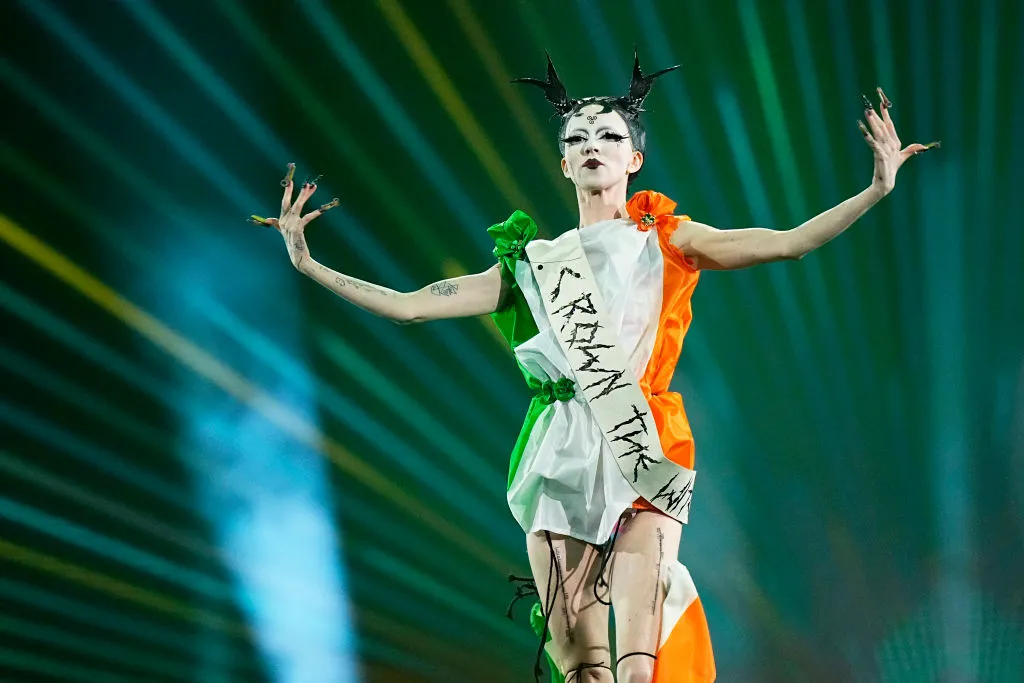
Five nations – Spain, Ireland, Iceland, the Netherlands, and Slovenia – have already withdrawn from the 2026 contest in protest. Green stated that organizers “respect their position,” but firmly emphasized adherence to Eurovision rules, warning against any breaches during the event.
The letter was swiftly condemned as inadequate. José Pablo López, president of Spain’s national broadcaster, accused Green of failing to “call things by their name,” pointing to a contest “in flames” with a severe reputational crisis. He questioned why a genocide could be reduced to simply “events” happening in the Middle East.

López’s criticism extended beyond the omission of Gaza, highlighting past allegations of political interference in the selection of Israel’s 2025 entrant. He questioned whether rules were applied consistently, or bent to suit “geopolitical and economic alliances.”
The controversy arrives after a recent vote by EBU members to restrict government and third-party campaigning for acts – a move seen by some as specifically aimed at preventing further pressure on Israel. This vote also effectively closed further debate on Israel’s participation.
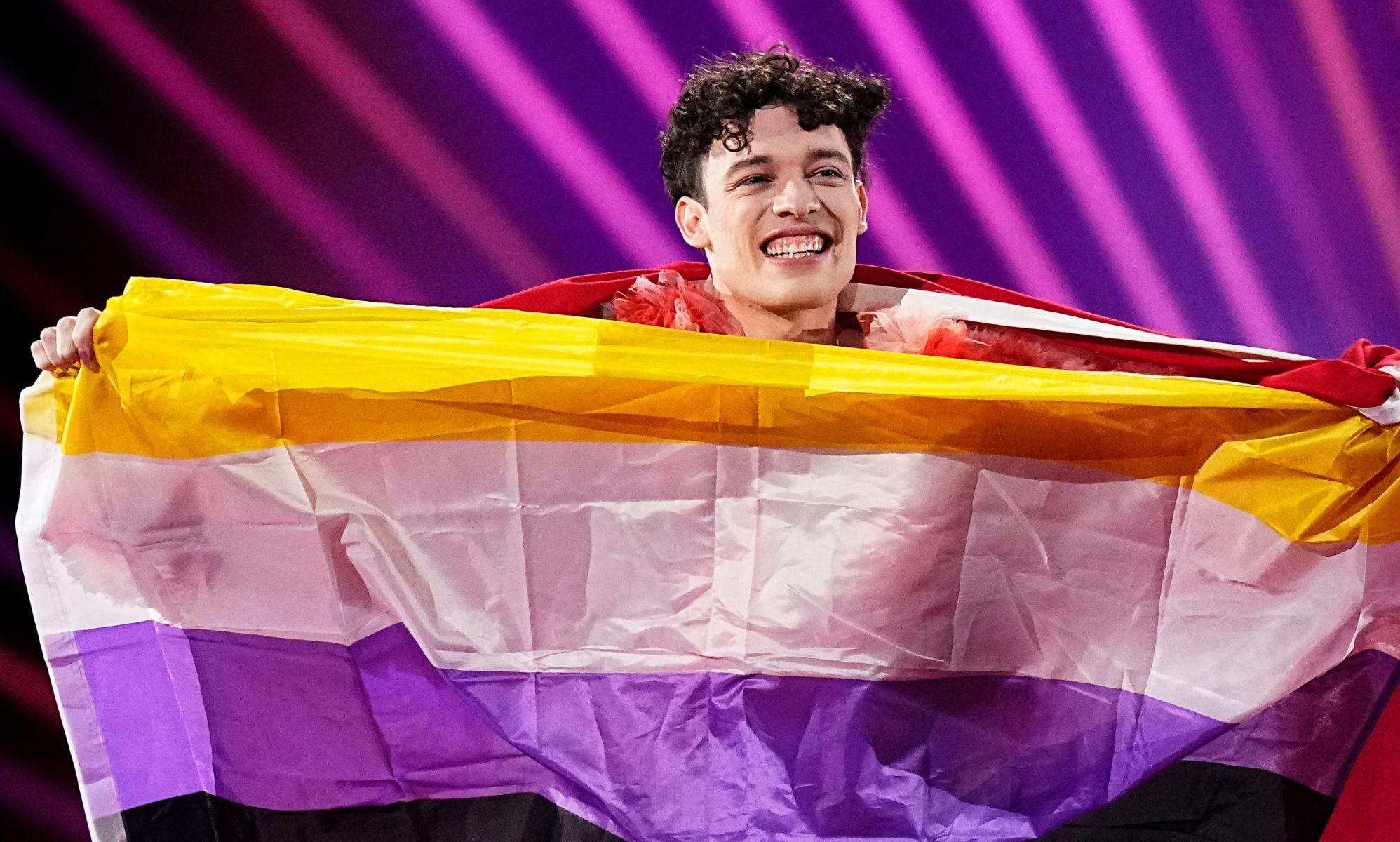
The fallout is spreading beyond national broadcasters. Eurovision content creators and event organizers are also distancing themselves from the contest. Even Nemo, Switzerland’s 2024 winner, has announced they will return their trophy in protest, a powerful symbolic gesture of dissent.
As the 70th anniversary of the Eurovision Song Contest approaches in Vienna next May, the event finds itself at a critical juncture. The question now is whether the EBU can navigate this crisis and restore faith in the contest’s commitment to its founding principles of unity and inclusivity.