A storm of protest is brewing over the future of the Eurovision Song Contest. Several nations are now refusing to participate in the 2026 event, citing the ongoing conflict in Gaza and the controversial decision to allow Israel to compete.
The European Broadcasting Union (EBU) recently held a vote regarding new rules for the contest, a move widely interpreted as greenlighting Israel’s participation. This decision ignited immediate backlash, prompting a wave of withdrawals from countries deeply concerned about the situation.
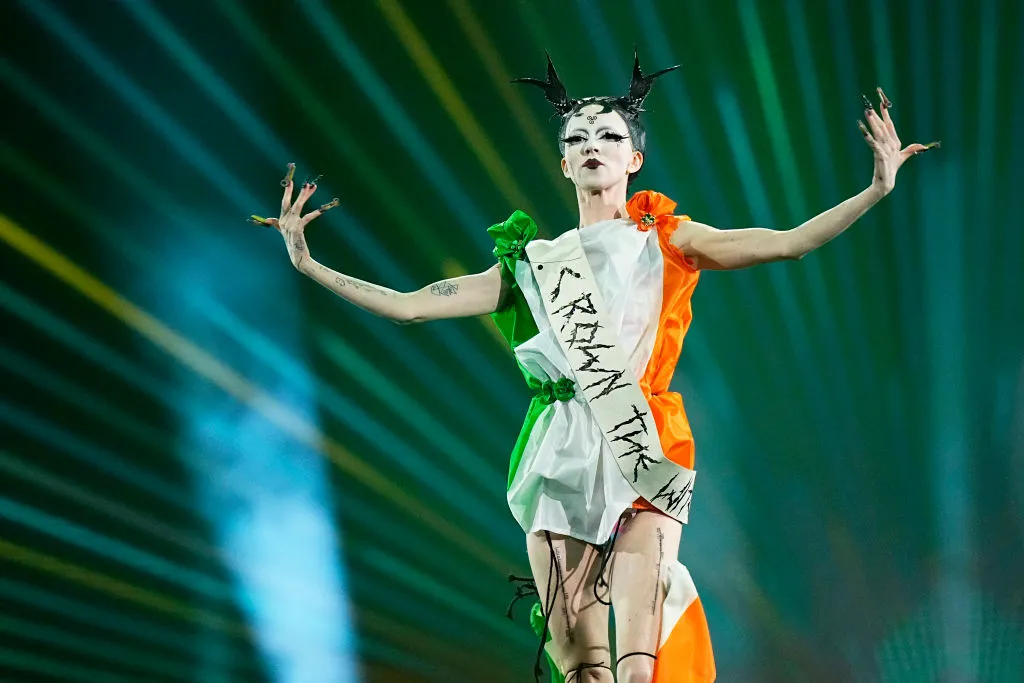
Ireland was among the first to announce its boycott, directly linking the decision to the devastating loss of life and the escalating humanitarian crisis in Gaza. Their national broadcaster, RTÉ, stated they could not reconcile participation with the unfolding tragedy.
The Netherlands followed suit, with broadcaster Avrotros declaring that competing under the current circumstances would be incompatible with their core public values. Slovenia echoed this sentiment, emphasizing the need for equal rules and standards for all participating nations.
Spain had previously warned of a potential withdrawal if Israel remained in the competition, and now they’ve made good on that threat. Their broadcaster, RTVE, confirmed they would not be sending a representative to the 2026 contest.
The growing discontent isn’t limited to national broadcasters. Iceland has joined the boycott, citing a deep sense of disunity within the EBU and among the public regarding Israel’s inclusion.
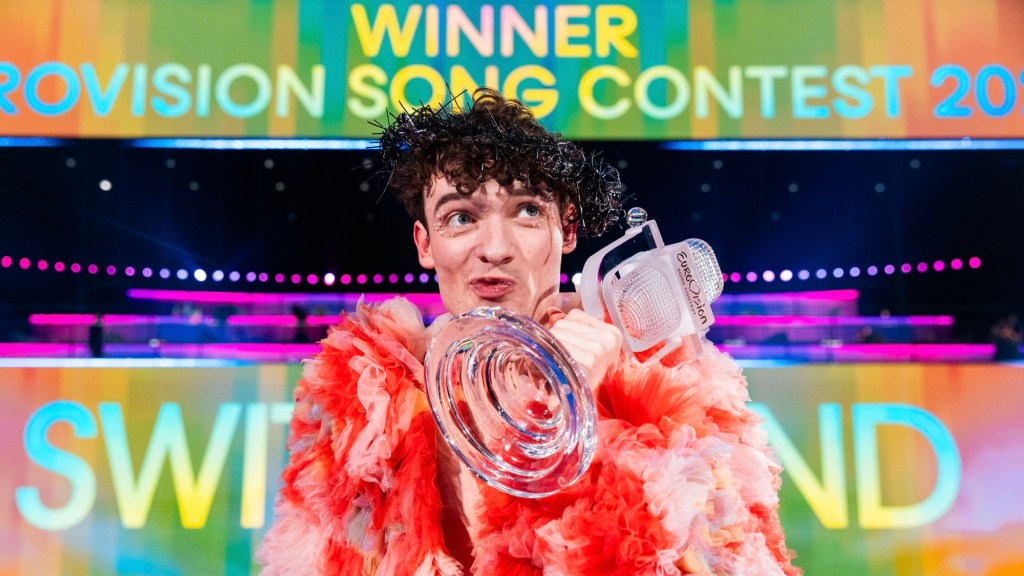
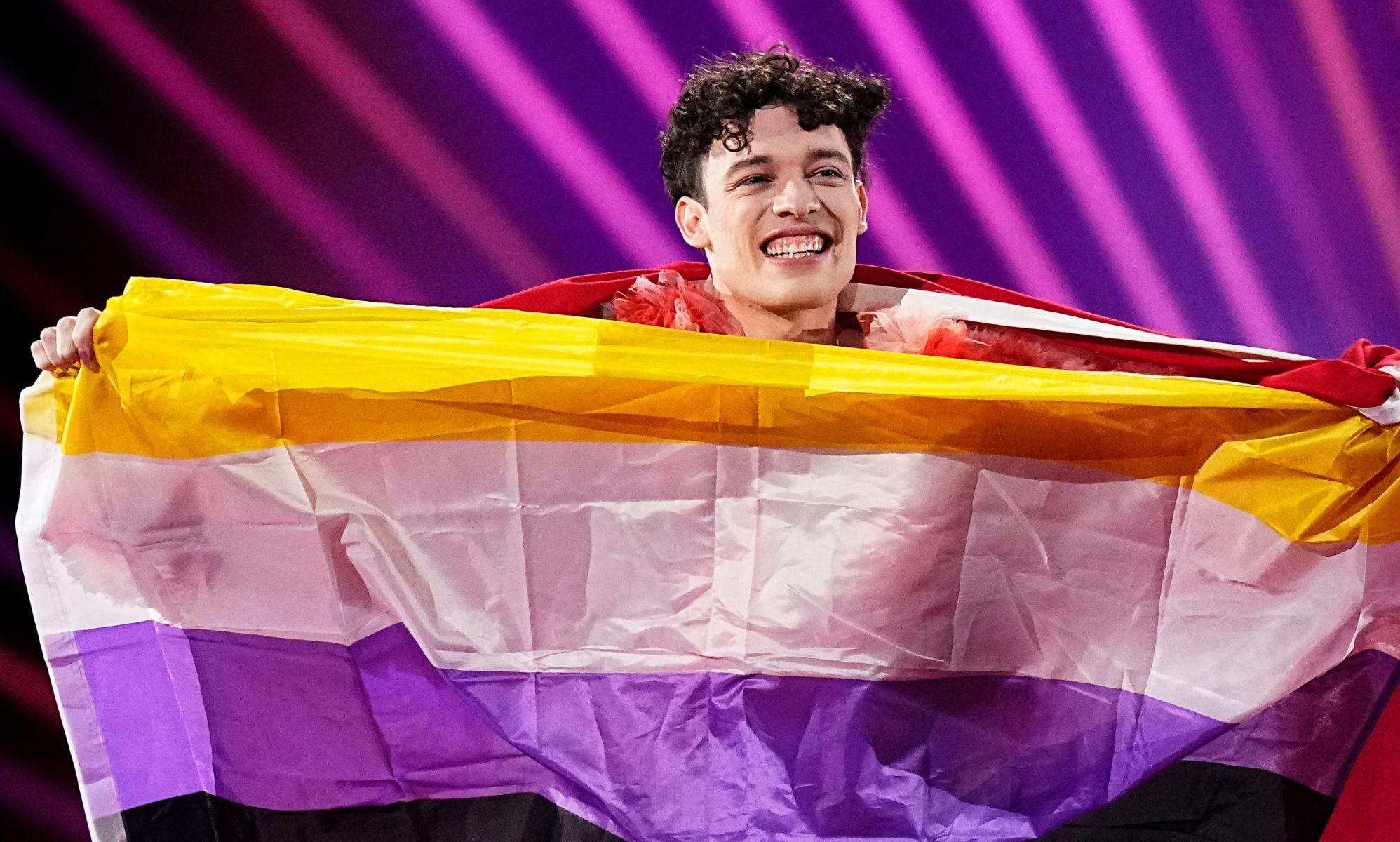
In a particularly powerful gesture of protest, Nemo, the winner of the 2024 Eurovision Song Contest, has announced they will return their Grand Prix trophy to the EBU. The non-binary artist expressed that they no longer feel comfortable displaying the award given the circumstances.
Nemo’s statement resonated deeply, highlighting the emotional weight of the situation for many within the Eurovision community. They emphasized gratitude for the contest’s community but ultimately felt compelled to take a stand.
This escalating series of withdrawals marks a significant moment for Eurovision, forcing a reckoning with its role in the face of global political tensions. The future of the contest hangs in the balance as more nations consider their position.
The debate extends beyond simple participation, with some alleging unfair campaigning to influence voting outcomes. These accusations add another layer of complexity to an already fraught situation.
Even Dana International, a past winner and a prominent figure in the Eurovision world, has voiced strong opinions, though disagreeing with the boycotts. The controversy continues to unfold, captivating audiences and sparking intense debate.