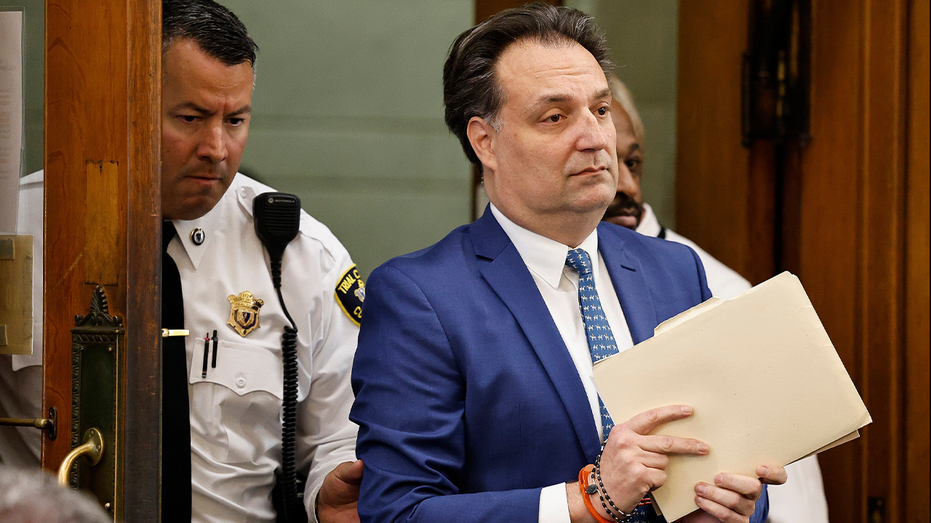
Even as he stood accused of unspeakable crimes, Brian Walshe was embroiled in a long-simmering family conflict – a desperate attempt to seize control of his late father’s estate. The timing, shortly after his 2018 indictment on art fraud charges, painted a disturbing picture of a man relentlessly pursuing financial gain.
Years of estrangement hadn’t deterred Walshe. He argued his father, Thomas, died without a will, successfully petitioning a Massachusetts court to be named personal representative of the estate that December. It was a calculated move, a claim that would soon be fiercely contested.
Thomas Walshe’s friends and family vehemently opposed Brian’s claim, alleging a deliberate act of deception. They accused him of destroying the legitimate will, systematically selling off his father’s possessions, and emptying his bank accounts – a financial raid exceeding $500,000.
A signed statement from Fred Pescatore, a longtime friend of Thomas, detailed a pattern of theft and manipulation. “Brian stole money from Tom and swindled him out of almost one million dollars,” Pescatore wrote, describing a relationship poisoned by greed. He further characterized Brian as volatile and deeply disturbed, even labeling him a “sociopath.”
Pescatore’s account extended beyond financial exploitation, recounting a harrowing incident in China. He claimed to have witnessed Brian attempting to smuggle antiquities and, when confronted, violently attacking security guards with a stanchion, nearly causing fatal injuries.
The depth of the family rift was stark. For over a decade, Brian and Thomas had virtually no contact, a silence underscored by numerous letters submitted to the probate court from concerned friends and family. It was a relationship fractured beyond repair, fueled by betrayal and resentment.
This financial maneuvering unfolded against the backdrop of the current murder trial, where Walshe is accused of killing his wife, Ana, in January 2023. She vanished on New Year’s Day, and the case hinges on disturbing forensic evidence. Jurors are now deliberating, after the defense unexpectedly rested without calling Walshe to the stand.
The prosecution presented chilling evidence: Ana’s DNA was discovered on a hatchet and hacksaw found discarded in the trash, alongside fragments of a rug, a protective suit, and other personal items. The discovery painted a grim picture of a calculated and brutal act.
A significant financial motive emerged during the trial – a $2.7 million life insurance policy with Brian Walshe as the sole beneficiary. This, coupled with nearly $500,000 in outstanding restitution from his previous fraud conviction, added another layer of complexity to the case.
Jeffrey Ornstein, another friend of Thomas Walshe, provided crucial testimony regarding the will. He revealed he had photographed the document, confirming Thomas had explicitly disinherited Brian. He even deliberately withheld this information when providing Brian with keys to his father’s house, claiming Brian had requested “some paperwork.”
The dispute’s origins traced back to a property in Lenox, Massachusetts. Brian had purchased the home, with his father agreeing to fund renovations, a promise that was never fulfilled. This initial financial disagreement spiraled into years of animosity and ultimately, a bitter legal battle over the estate.
Thomas Walshe’s nephew, Andrew, ultimately petitioned the court to remove Brian as the estate’s representative in July 2019. He argued Brian had intentionally destroyed the original will to secure an inheritance he wasn’t entitled to, and had systematically plundered his father’s assets.
The original will’s final words spoke volumes: “I hereby bequeath to Brian R. Walshe my best wishes but nothing else from my estate.” A chilling testament to a broken relationship and a father’s final, decisive act.
Andrew Walshe alleged Brian drained at least $250,000 from his father’s bank account and liquidated possessions worth another $250,000, leaving behind a trail of financial ruin and shattered trust. The probate court battle revealed a pattern of behavior that now echoes in the current murder investigation.