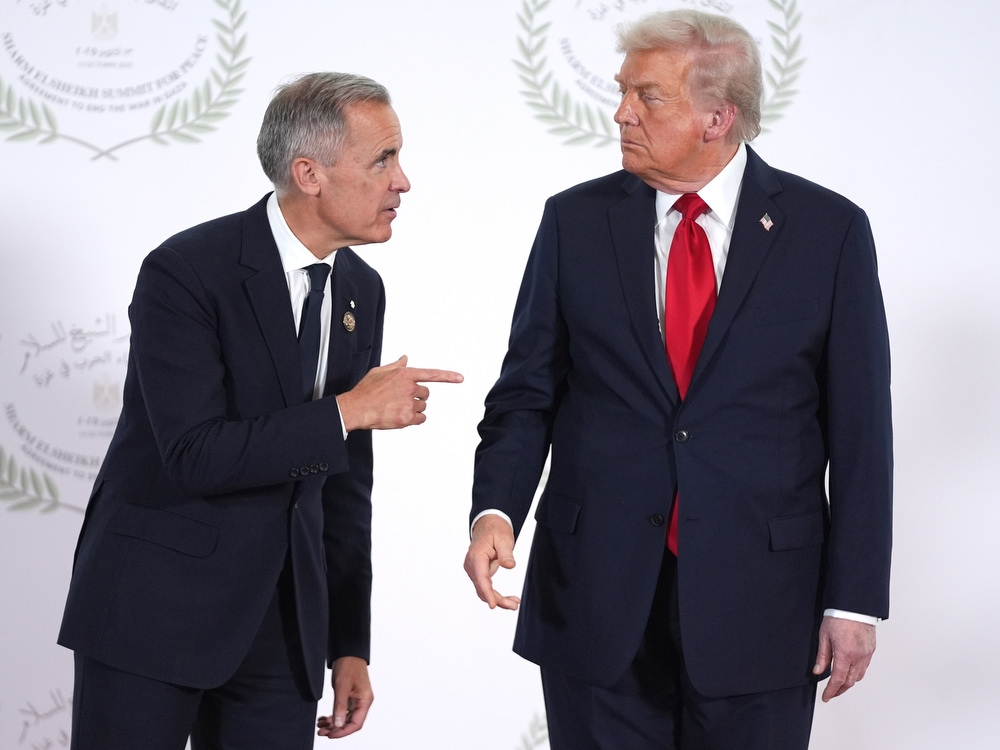
A last-minute decision to send a high-profile representative to witness a peace treaty signing in Egypt resulted in a significant expense for Canadian taxpayers: a chartered jet flight costing over $736,000. The trip, undertaken by Mark Carney, sparked debate over the necessity and cost-effectiveness of the travel arrangements.
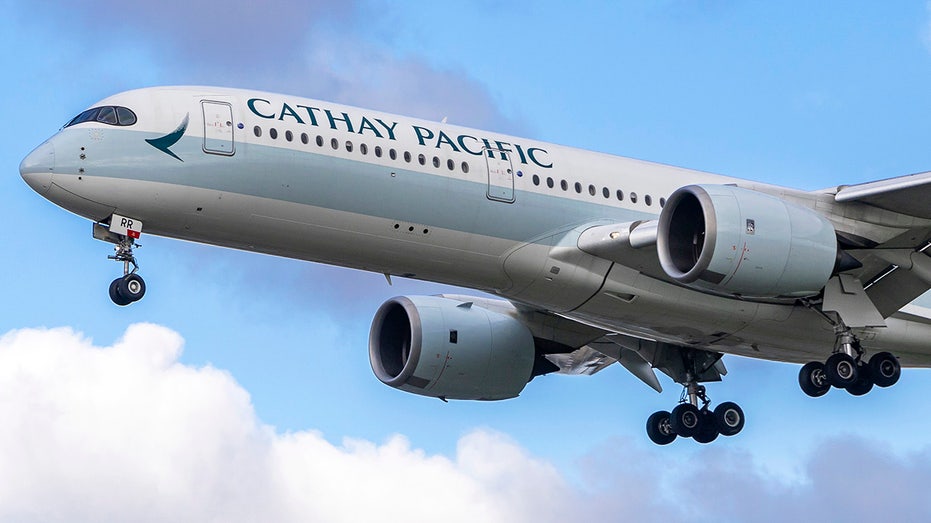
Government officials defended the expenditure, asserting that chartering a Bombardier Global 5000 business jet was the most economical option available given the extremely short notice. The peace summit was announced just the day before, leaving little time to arrange alternative transportation.
Initially, a figure of $198,800 was cited as the potential cost had a Royal Canadian Air Force (RCAF) aircraft been available. However, the government contends this was a theoretical calculation that didn’t account for the practical limitations of RCAF planes.
An RCAF Challenger jet, while having an available crew, couldn’t complete the Ottawa to Sharm El Sheikh journey without refueling and crew changes. Adding a second flight crew, including their advance travel and rest requirements, would have ultimately increased the overall cost and proved logistically impossible.
The Privy Council Office explained that most RCAF crews were already committed to other missions, training exercises, or required rest periods. Utilizing a larger Airbus aircraft was also ruled out due to insufficient crew availability.
Canada’s presence at the October 13th Gaza peace accords was largely observational, with the nation not directly involved in the negotiations. Despite this, officials felt it important to be represented alongside thirty other nations and international organizations.
Critics, however, question whether the hefty price tag was justified. Concerns have been raised that the trip amounted to an expensive photo opportunity, offering little tangible benefit to Canadian citizens.
The cost of the flight has drawn comparisons to the travel habits of leaders in other countries. Unlike the Canadian approach, the presidents of Mexico and the Philippines, along with prime ministers from the UK, Singapore, Austria, Finland, and New Zealand, routinely opt for commercial flights.
David Cameron, while serving as UK Prime Minister, famously flew British Airways to a meeting with then-US President Barack Obama, prioritizing cost savings and setting a public example. This stands in stark contrast to the recent expenditure.
The current representative’s travel patterns are also under scrutiny. In just eight months, over 153,000 kilometers were logged across 28 trips, a pace similar to that of his predecessor.
Observers note a perceived disconnect between the current representative’s public image and the spending on international travel, suggesting a continuation of practices criticized during the previous administration. The question remains: what demonstrable value does this level of expenditure provide to the Canadian public?