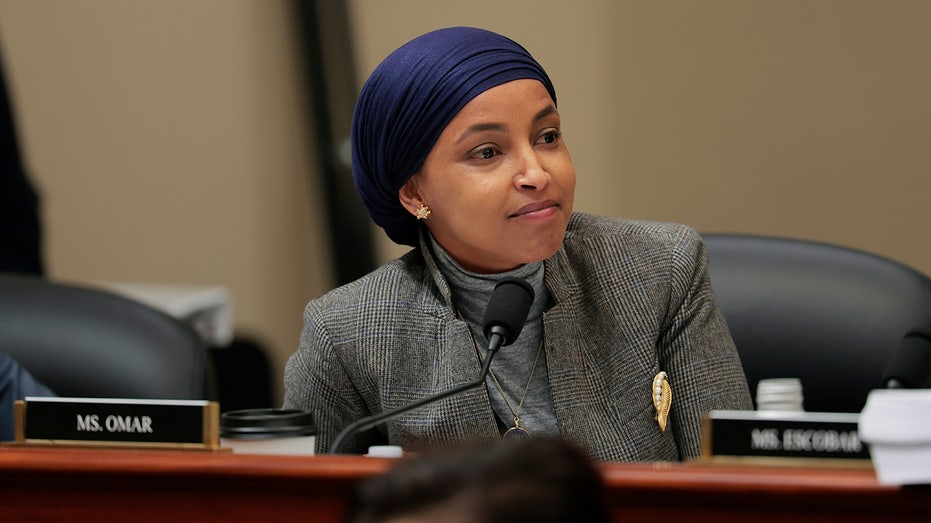
A billion dollars vanished, intended to feed children, and the trail, according to challenger John Nagel, leads directly to the door of Representative Ilhan Omar. This isn’t a whisper campaign; it’s a burgeoning scandal gripping Minnesota and drawing national scrutiny, fueled by allegations of widespread fraud and deeply unsettling connections.
The story begins with good intentions – the 2020 MEALS Act, legislation championed by Omar and passed with bipartisan support, designed to ensure no child went hungry during the pandemic. But Nagel argues this very act opened a floodgate, creating opportunities for exploitation. He points to the concentration of fraud within Omar’s district, a statistical anomaly that demands explanation.
Nagel doesn’t shy away from naming names. He alleges that individuals within Omar’s inner circle directly profited from the scheme, and that the Representative herself frequented a restaurant, Safari Land, now implicated in the fraud. This wasn’t just a casual connection, he claims; Safari Land was a hub of political activity, a place where fundraising occurred and influence was wielded.
The accusations extend to Guhaad Hashi Said, described as an “enforcer” for Omar’s campaign, now facing indictment in the Feeding Our Future scandal. Nagel insists the public deserves a full accounting of Omar’s relationship with Said and what she knew about the unfolding fraud. The questions are mounting, and the circumstantial evidence, he believes, is overwhelming.
The Small Business Administration and a House Oversight Committee are now investigating, expanding the scope of the scandal beyond Omar’s district to include the role of Minnesota Governor Tim Walz. Yet, Nagel believes the core issue remains: a network of Somali groups allegedly exploiting a system designed for aid.
Adding another layer of complexity, Nagel alleges a potential money trail linking donations from convicted individuals to Omar’s campaign. While Omar claims to have returned some funds, Nagel asserts that public records reveal a significant portion remains unaccounted for, raising serious questions about transparency and potential illicit enrichment.
Omar, when addressing the scandal, has characterized it as a consequence of hastily implemented COVID-era programs lacking sufficient oversight. But Nagel dismisses this as deflection, arguing that her close ties to those accused of fraud undermine her claims of innocence. He contends that any scrutiny is met with accusations of racism, a tactic to silence legitimate concerns.
Nagel’s solution is stark: a complete overhaul of Minnesota’s leadership. He calls for a new governor, a new Attorney General, and, crucially, the removal of Ilhan Omar from office. He paints a grim picture of a “cancer” spreading through the state, requiring a radical intervention to excise the corruption at its root.
He believes a complete restructuring is necessary, rooting out not only the Democratic Party but also any appointees who may have allowed the fraud to persist. The situation, he insists, demands decisive action to restore trust and ensure accountability for the misuse of vital resources intended for vulnerable children.