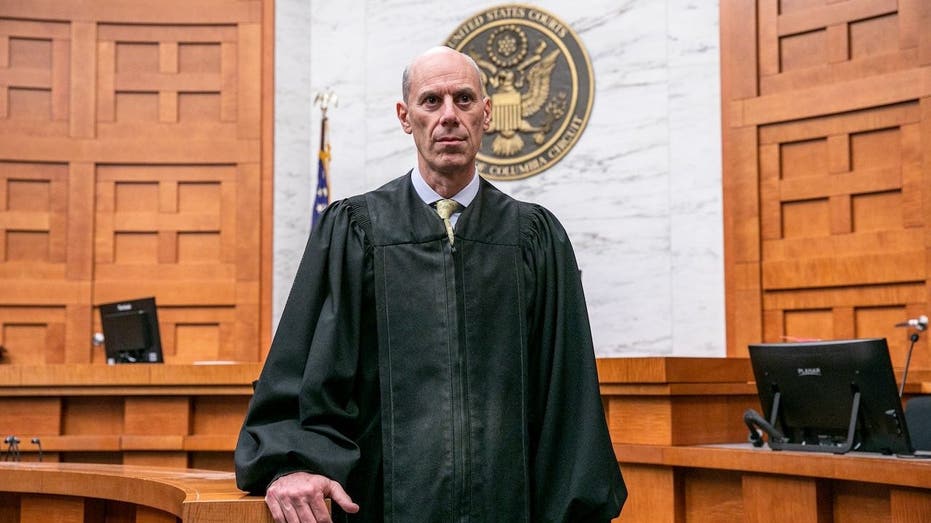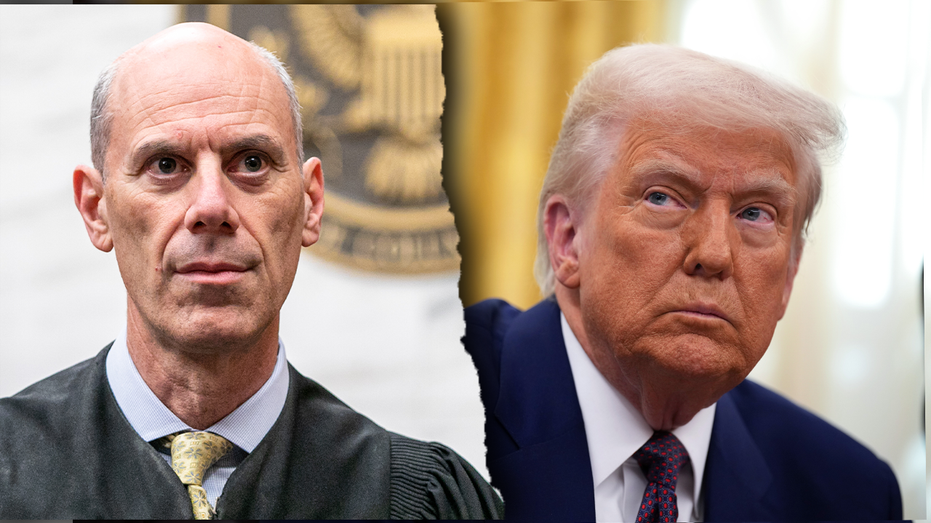
A legal battle is escalating as lawyers representing the previous administration attempt to halt a contempt inquiry initiated by U.S. District Judge James Boasberg. The core of the dispute centers on whether the court has the authority to compel testimony from current and former Justice Department officials regarding a controversial deportation case.
The Justice Department’s argument rests on the assertion that investigating and prosecuting criminal contempt falls squarely within the executive branch’s power. They claim the court is overstepping its boundaries and intruding upon the prerogatives of a co-equal branch of government, effectively challenging the judge’s authority to pursue the inquiry.
This revived inquiry stems from the administration’s use of the Alien Enemies Act, a rarely invoked 18th-century law, to swiftly deport Venezuelan migrants to El Salvador. Judge Boasberg initially attempted to block these deportations with a temporary restraining order, a move that ignited a clash with the previous administration.
The judge is now focused on determining whether senior officials deliberately disregarded his order. He has requested testimony from Drew Ensign, a deputy assistant attorney general, and Erez Reuveni, a former Justice Department lawyer who has publicly criticized the administration’s actions, alleging a pattern of ignoring court directives.
Boasberg believes firsthand accounts are crucial to understanding the decision-making process behind the migrant transfers, particularly in light of his earlier attempt to halt the deportations. He seeks to uncover the reasoning behind the decision to move the migrants out of U.S. custody despite his explicit order.
The case was resurrected after a ruling by the D.C. Circuit Court vacated a previous decision, sending the matter back to Boasberg for further examination. New information regarding the government’s handling of the deportations is continuing to surface, promising further scrutiny.
However, the previous administration is prepared to vigorously contest the inquiry at every stage. They are requesting a protective order to shield privileged information and seeking the ability to appeal any rulings before testimony is given, aiming to limit the scope of questioning and exclude participation from the migrants’ legal representatives.
Recent filings revealed that the decision to transfer the Venezuelan migrants was authorized by DHS Secretary Kristi Noem, following briefings from Justice Department lawyers and the acting general counsel for DHS. Noem stated she acted on the legal advice provided to her at the time.
Judge Boasberg has indicated it is too early to pursue prosecution for contempt, but he remains resolute in his commitment to the inquiry. He emphasized the need for a swift resolution, stating that justice demands he move forward promptly, and that the government can cooperate to whatever extent it chooses.
This legal confrontation is likely to draw strong reactions from some Republicans in Congress and from the former president, who has repeatedly labeled Judge Boasberg an “activist judge” for his involvement in the Alien Enemies Act case and the ensuing investigation. Despite the anticipated criticism, Boasberg appears determined to pursue the truth.