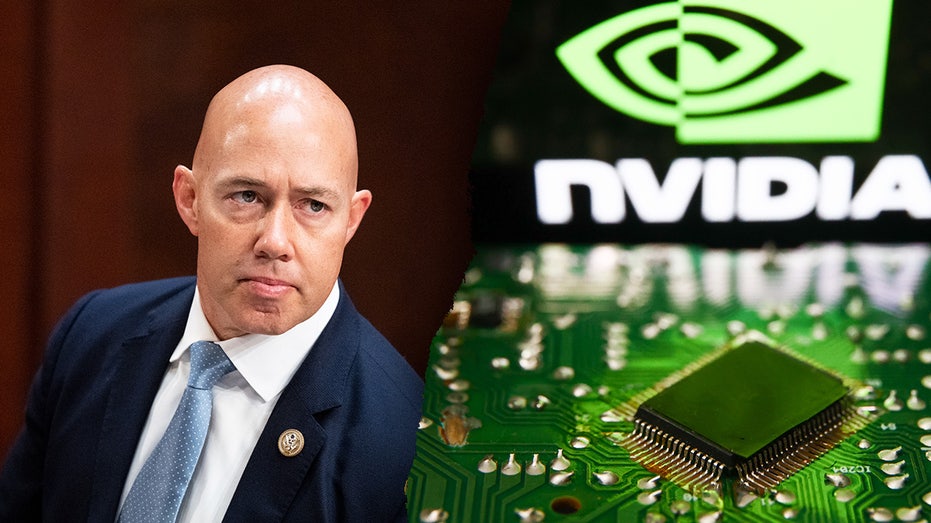
A quiet shift in Washington has ignited a fierce debate: the decision to allow NVIDIA, a titan of technological innovation, to once again sell its advanced chips to China. The move has fractured lawmakers, sparking anxieties about national security and the future of American dominance in the critical field of artificial intelligence.
Some view the decision as a perilous gamble, handing a strategic advantage to a major adversary. The concern is stark – empowering China with the very technology that fuels cutting-edge defense systems and potentially undermines American security. Representative Andrew Garbarino voiced a common fear: technology developed with significant American investment could be turned against the nation itself.
But behind closed doors, a different narrative is unfolding. Representative Brian Mast, Chairman of the House Foreign Affairs Committee, revealed a calculated strategy at play. The core objective, he stated simply, is “Dominate.” This isn’t about short-term gains, but a long-term plan to solidify U.S. leadership in AI, computing, and all related technologies.
The administration believes maintaining access to the Chinese market is crucial, not just for NVIDIA’s bottom line – the company boasts a staggering $4.36 trillion market capitalization – but for the health of the entire American tech ecosystem. A cumbersome sales process, often plagued by years-long delays, is hindering American competitiveness globally, according to Mast.
NVIDIA’s chips are not merely components; they are the engines driving breakthroughs in AI, impacting everything from scientific research to national defense. Previously restricted from selling to China under the Biden administration due to concerns about military applications, the reversal has left many questioning the rationale.
Senator John Fetterman expressed outright bewilderment, questioning the logic of the decision given China’s increasingly assertive posture. He even wondered if NVIDIA, already a global powerhouse, truly *needs* the additional revenue, highlighting the unusual nature of the move.
The administration’s strategy, as explained to Mast in a private conversation with a top Commerce official, centers on maintaining a competitive edge. By streamlining sales, even to potential adversaries, the U.S. aims to prevent its industry from being stifled by bureaucratic hurdles and ensure continued innovation.
However, the specter of weaponization looms large. Concerns extend beyond conventional military applications to emerging threats like quantum computing, which could render current encryption methods obsolete. Lawmakers are demanding clarity on how the administration intends to mitigate these risks.
Mast has requested a broader briefing for key congressional leaders, hoping to alleviate concerns and build consensus around the strategy. The White House has yet to respond, leaving many in the dark about the full scope of the plan and the safeguards in place to protect American interests.
The debate underscores a fundamental tension: the desire to maintain economic competitiveness versus the imperative to safeguard national security. The coming weeks will be critical as lawmakers seek answers and the administration attempts to justify a decision that has sent shockwaves through Washington.