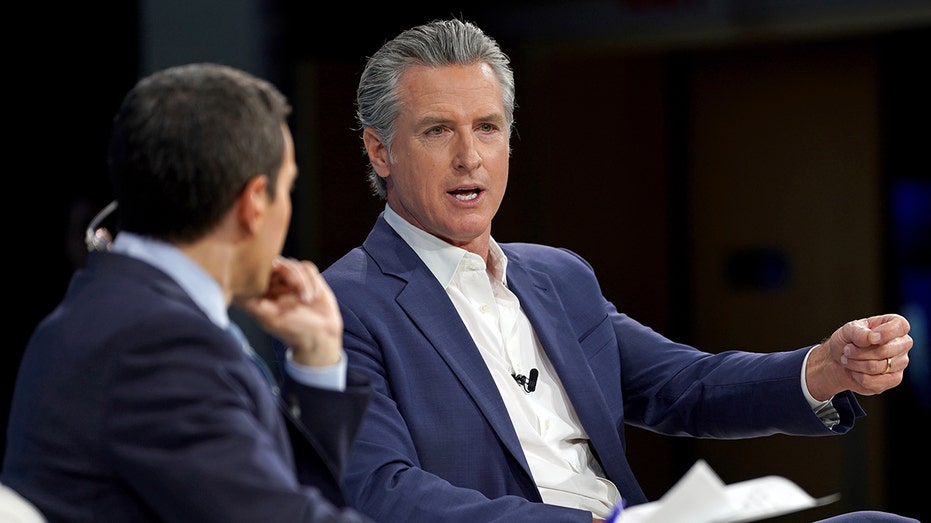
California Governor Gavin Newsom is commanding attention as a leading potential contender for the 2028 presidential nomination. His presence at a recent Democratic National Committee summit sparked a “rock star reception,” with party leaders and activists eager to connect with the governor.
This surge in prominence comes as Democrats seek to regain momentum after recent electoral setbacks. Victories in recent elections have energized the party, particularly their focus on economic affordability for working families.
The DNC meeting served as a crucial planning session, with delegates analyzing successes and preparing strategies for the upcoming midterm elections. A unified message of lowering costs for working people was a central theme.
Fueling this renewed energy is strong opposition to a potential second term for President Trump and his agenda. This has intensified the search for a compelling candidate capable of winning back the White House in 2028.
Newsom’s outspoken criticism of President Trump, often delivered through viral social media exchanges, has significantly raised his profile. He also successfully navigated a challenging congressional redistricting effort in California.
Observers note Newsom’s quick wit and combative style are particularly effective in today’s fast-paced media landscape. He possesses a rare ability to cut through the noise and engage audiences with both substance and humor.
When directly asked about a potential presidential run, Newsom didn’t dismiss the possibility. He acknowledged he would be “lying” if he said he hadn’t given it “serious thought” after the 2026 midterms.
Newsom strategically met with key Democratic Party chairs from New Hampshire and Nevada, both pivotal states in the presidential primary process, signaling his intent to build relationships and explore future opportunities.
However, Newsom’s rise isn’t without scrutiny. Some on the progressive left question whether he truly embodies their values, viewing him as a pragmatic voice against Trump rather than a champion of progressive ideals.
Moderate Democrats also express concern that his California record could be exploited by Republicans during a national campaign, potentially becoming a liability for the party.
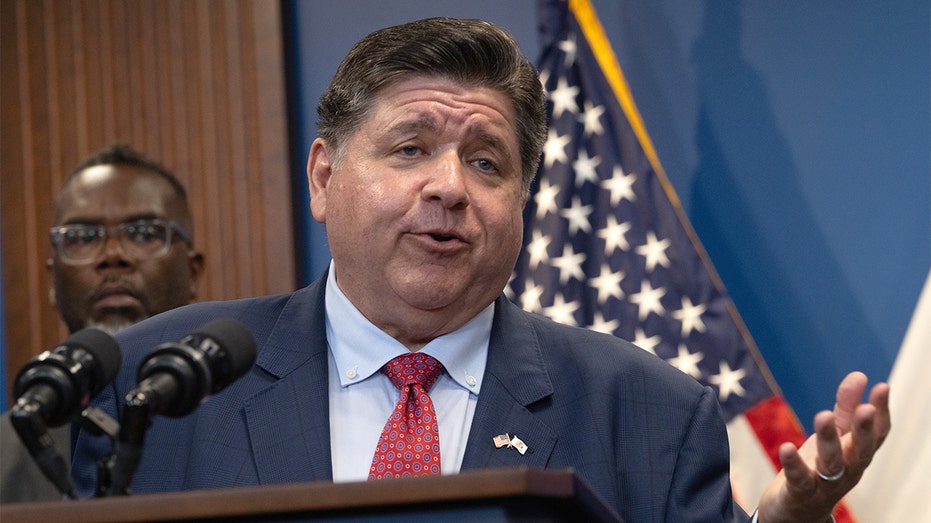
Illinois Governor JB Pritzker is also actively positioning himself as a potential contender. He recently raised over $1 million for the DNC at a high-profile fundraiser featuring entertainment industry icons.
Former Vice President Kamala Harris, despite passing on a 2026 gubernatorial run, remains a significant player and has openly stated she is “not done” with public service, leaving the door open for a 2028 bid.
The gathering of these potential candidates at the DNC meeting was seen as an early, informal audition. It’s a chance to refine messaging and prepare for what promises to be a competitive primary battle.
Beyond Newsom, Pritzker, and Harris, a diverse field of potential candidates is emerging, including governors from Pennsylvania, Kentucky, Maryland, and Michigan, as well as several senators and prominent House members.
With the 2026 midterms looming, these potential contenders are expected to be heavily involved in supporting candidates at all levels, recognizing the importance of building momentum and a strong party infrastructure.
Democrats anticipate a long and intense primary process, a dynamic they believe ultimately strengthens the party and prepares them for the challenges ahead. The race for 2028 is already underway.