A stunning reversal in Minnesota has sent shockwaves through the legal community. A judge overturned a unanimous jury verdict in a $7.2 million Medicaid fraud case, a move considered exceptionally rare, particularly in complex white-collar prosecutions. The decision raises serious questions about the state’s commitment to prosecuting financial crimes as a wave of welfare fraud scandals grips Minnesota.
The case centered on Abdifatah Yusuf, accused of defrauding the state’s Medicaid program through a home healthcare business. Prosecutors painted a picture of a scheme operating out of a mailbox, funding a lavish lifestyle filled with shopping sprees at high-end retailers like Coach and Canada Goose. A jury swiftly found Yusuf guilty on six counts of aiding and abetting theft, seemingly delivering a clear condemnation.
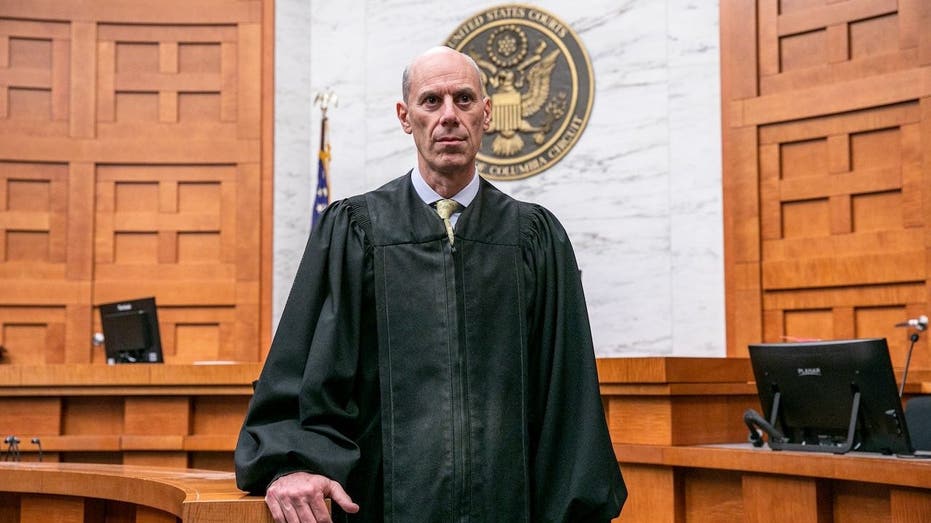
But Hennepin County Judge Sarah West intervened, dismissing the conviction. Her reasoning? The state’s case relied too heavily on circumstantial evidence, failing to definitively exclude the possibility that Yusuf’s brother, not he himself, was the perpetrator. Despite the scale of the alleged fraud, the judge ruled insufficient proof existed to demonstrate Yusuf’s *knowing* participation.
Legal scholars are baffled. University of Minnesota law professor JaneAnne Murray described the decision as “highly unusual,” emphasizing Minnesota’s already stringent evidentiary standard. This standard demands prosecutors eliminate *any* reasonable doubt of innocence, a high bar that gives judges considerable power to overturn convictions. The state Supreme Court is currently reviewing this standard, but Judge West applied the existing law.
The judge’s prior record offered little indication of such a dramatic move. Appointed in 2018, West previously focused on juvenile and child protection cases. Now, she faces intense scrutiny, labeled an “extremist” by one state senator. The decision has ignited a political firestorm, with demands for full transparency and the unsealing of all case records.
Former Assistant U.S. Attorney Andy McCarthy argues the ruling overstepped judicial boundaries. He points out that judges are meant to halt cases *before* they reach a jury if evidence is legally insufficient, not overturn a unanimous verdict after deliberation. McCarthy contends that circumstantial evidence is routinely sufficient for conviction and that the judge’s rationale appears “untenable.”
The jury foreperson expressed shock, stating the verdict hadn’t been a difficult decision. Minnesota Attorney General Keith Ellison has already filed an appeal, seeking to reinstate the conviction. The outcome will not only determine Yusuf’s fate but could also reshape the landscape of white-collar crime prosecution in Minnesota, and potentially beyond.
This case isn’t simply about $7.2 million. It’s about public trust, the integrity of the legal process, and the question of how much proof is enough when billions of public dollars are at stake. The fight over this verdict is far from over, and its implications will be felt for years to come.