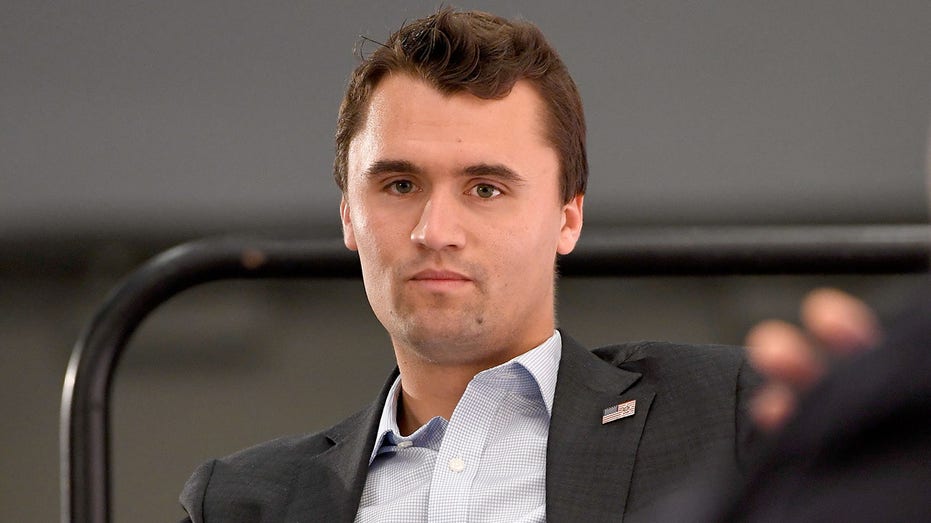
The legal landscape has undergone a seismic shift in the last three decades, particularly in how high-profile cases are perceived and understood by the public. The tragic shooting of Charlie Kirk and the subsequent arrest of Tyler Robinson serve as a stark illustration of this transformation.
In 1993, I led the prosecution of Omar Abdel Rahman and his followers, responsible for the first World Trade Center bombing and plotting further attacks on New York City landmarks. Conspiracy theories circulated even then – whispers of FBI involvement, foreign government manipulation, even the Mossad. But their reach was limited.
The critical difference? Social media didn’t exist. The media environment was dominated by established news networks and major newspapers, a system built on decades of journalistic tradition. While Fox News was emerging as a challenger, the flow of information remained relatively controlled.
Consequently, unsubstantiated claims struggled to gain momentum. There wasn’t a constant, unfiltered stream of commentary from millions of individuals, often lacking credible sources. The absence of online echo chambers meant that fringe theories remained largely contained.
The Manhattan federal courthouse was the central hub for information. To understand the details of the investigation – the suspects, the evidence, the legal arguments – one relied on official court filings and in-court proceedings. This was the established order.
Today, that order has been overturned. Charlie Kirk was fatally shot on September 10th at Utah Valley University, and Tyler Robinson was quickly apprehended. The initial response included a significant release of official information, a deliberate effort to counter the immediate wave of misinformation.
This transparency was likely driven by two factors: the need to reassure the public amidst rampant speculation, and the Utah County district attorney’s office’s desire to demonstrate competence on a national stage. However, this initial flow of information soon slowed to a trickle.
This silence understandably frustrated the press, now vastly more numerous than in the 1990s. But the reasoning is clear. This is a capital murder case, and judges – often progressive-leaning graduates of elite law schools – are acutely aware of the scrutiny such cases attract.
Prosecutors and law enforcement understand that any perceived leak or attempt to prejudice the defendant’s right to a fair trial could jeopardize the death penalty, or even the entire prosecution. Caution is paramount.
This creates a dangerous vacuum. Information abhors a void, and in the absence of consistent, reliable updates from official sources, social media speculation, conspiracy theories, and divisive rhetoric inevitably fill the space.
It’s a reality that drove Erika Kirk, Charlie’s widow, to publicly refute the baseless claims surrounding her husband’s death in a poignant interview. What seemed outlandish in September, after prosecutors detailed the substantial evidence against Robinson, had been allowed to fester for months.
A pretrial hearing regarding media access recently took place, but the crucial next step is the preliminary hearing scheduled for mid-January. Unlike the federal system, Utah generally utilizes a preliminary hearing to establish probable cause before a judge, rather than a grand jury.
As we move forward, we can anticipate a more substantial release of authoritative information – evidence presented in a courtroom setting – regarding the Kirk murder. This was the standard practice in the 1990s. Today, it’s a necessity, a vital counterweight to the relentless noise of social media.
In an age of instant information and unchecked speculation, the pursuit of truth demands a renewed emphasis on verifiable facts and a commitment to responsible reporting. Only then can we hope to make sense of complex legal proceedings and ensure justice prevails.