A dramatic shift is underway in South America as Bolivia, after decades of distance, actively seeks a renewed partnership with the United States. This pivot marks a significant departure from previous alliances and signals a determined effort to reshape its regional standing.
The change began with the recent inauguration of Rodrigo Paz, a pro-business conservative president. He swiftly began dismantling the existing framework of relationships forged with China and Venezuela, turning instead toward closer ties with Western nations.
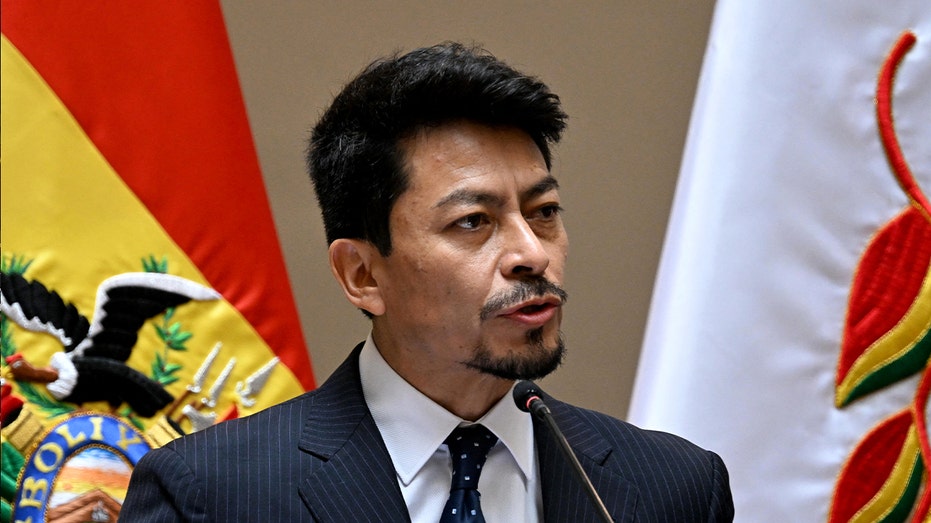
Foreign Minister Fernando Aramayo, during a visit to Washington to reestablish diplomatic relations with Israel – a connection severed by the prior administration – articulated the nation’s ambitions. He emphasized a desire for a “long-term relationship” founded on shared democratic values and a new alliance within South America.
Paz’s victory represents the culmination of nearly two decades of leftist governance under Evo Morales and Luis Arce. Their MAS party crumbled under the weight of economic hardship, corruption allegations, and widespread public outrage concerning alleged connections between the government and powerful narcotrafficking networks.
This political upheaval created an opening for a conservative, pro-business leader, a stunning reversal for a country that had long been a staunch ideological ally of both China and Venezuela. The landscape of Bolivian politics has been fundamentally altered.
Bolivia intends to enact new legislation and regulations designed to attract American investment and dismantle what Aramayo described as China’s “monopoly” over its vital natural resources, particularly lithium. The nation is eager to leverage U.S. expertise in sustainable resource extraction.
Aramayo expressed a desire for technology transfer and integration into the entire production chain, recognizing the value of American innovation. This move signifies a strategic effort to diversify Bolivia’s economic partnerships and reduce its reliance on a single dominant player.
He acknowledged shared concerns regarding China’s investment strategies in Latin America, suggesting a pattern of leveraging economic influence for political gain. Bolivia is actively seeking “serious investors” and a more balanced economic portfolio.
Aramayo highlighted the escalating threat posed by transnational criminal organizations as one of the region’s most pressing challenges. Years of political instability have allowed these cartels to flourish and embed themselves throughout South America.
Bolivia is still confronting the lingering effects of what Aramayo termed “narco authorities” who held power for the past two decades. These networks have eroded public trust in state institutions and fueled regional instability.
The United States is simultaneously increasing pressure on Venezuelan leader Nicolás Maduro, targeting vessels linked to his regime and seizing oil tankers suspected of evading sanctions. Aramayo refrained from criticism, asserting Washington’s right to pursue its own interests.
He indicated that South American nations share concerns about Venezuela’s trajectory and remain open to diplomatic solutions to de-escalate the ongoing crisis. A unified regional approach is seen as crucial for stability.
Bolivia’s new administration is committed to supporting a “democratic transition” in Venezuela and collaborating with regional partners to restore the “legitimacy and reliability” of its institutions. This commitment reflects a broader desire for a more stable and democratic South America.