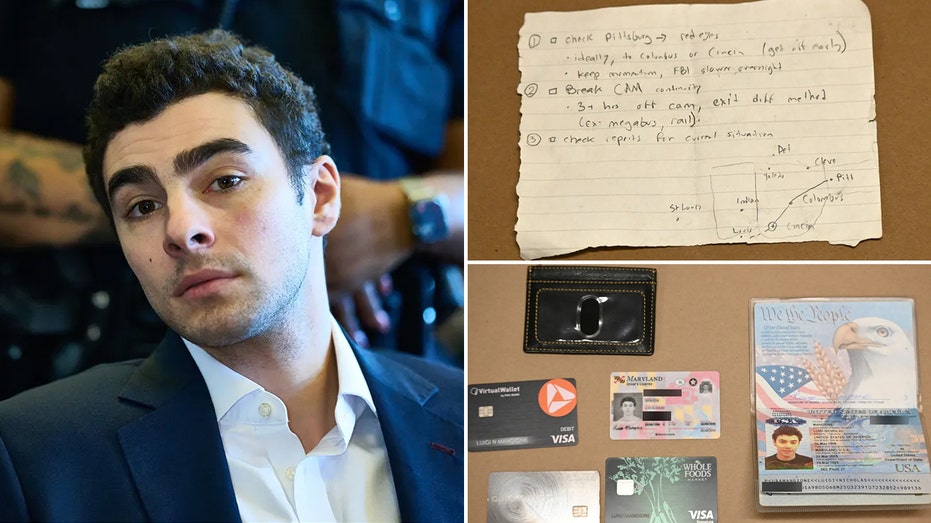
The fate of crucial evidence hangs in the balance as the legal battle surrounding Luigi Mangione intensifies. Pre-trial hearings in New York are meticulously dissecting the circumstances of his arrest in Pennsylvania, with his defense team aggressively challenging the legality of the police’s actions.
Central to the debate is Mangione’s backpack and what it contained. His attorneys are fiercely contesting the warrantless search, arguing it violated his constitutional rights. They are also scrutinizing the delay in informing Mangione of his Miranda rights, a critical procedural safeguard.
These hearings are not merely technical exercises; they will determine what evidence a jury will be allowed to consider when deciding whether Mangione committed the alleged murder of UnitedHealthcare CEO Brian Thompson. The outcome could dramatically alter the course of the trial.
Legal experts suggest prosecutors have a strong argument for the search’s legality. One former federal prosecutor explained that exceptions to the warrant requirement exist, specifically searches incident to an arrest or inventory searches. These exceptions hinge on establishing probable cause for the initial arrest.
However, if the judge sides with the defense and excludes the backpack’s contents from evidence, the prosecution’s case could be severely weakened. They would then be forced to rely solely on video footage, DNA evidence found at the scene, eyewitness accounts, and fingerprint analysis – a significantly narrower foundation.
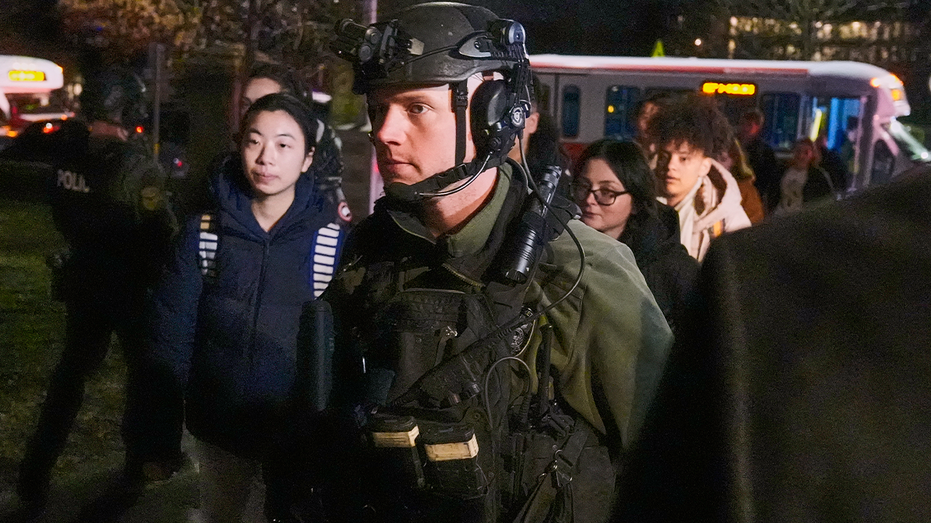
Body camera footage released in court revealed the tense moments leading up to Mangione’s arrest at a McDonald’s in Altoona, Pennsylvania on December 9th, 2024. Police were dispatched after a report from a McDonald’s manager who said customers found Mangione “suspicious,” believing he resembled the suspect in the New York CEO shooting.
The initial interaction was marked by deception. Mangione identified himself as “Mark Rosario” and presented a false ID. When questioned about the discrepancy, he admitted, “I clearly shouldn’t have,” but continued to offer a fabricated identity.
An Altoona police officer testified to feeling “uneasy” during a pat-down, noting Mangione’s posture and avoidance of eye contact. This uneasiness led to his detention on charges related to the false identification. A lieutenant present at the scene asserted that a warrant wasn’t necessary, citing an exception to the rule.
Contradictory statements were captured on video, with one officer initially suggesting a warrant might be needed, only to be countered by another who stated the arrest for possessing a fake ID justified an immediate search. This internal debate underscores the complexities of the legal arguments.
The search of Mangione’s backpack yielded disturbing discoveries. Officers found wet underwear concealing a magazine loaded with bullets. A chilling remark was overheard: “It’s f------ him.” This discovery is now at the heart of the defense’s challenge to the search’s legality.
The defense also argues that police deliberately delayed reading Mangione his Miranda rights, hoping to elicit incriminating statements without proper legal safeguards. One officer admitted to intentionally withholding information about being in custody to encourage Mangione to speak freely.
The judge’s rulings on these critical issues will shape the narrative of the trial and ultimately determine Mangione’s fate. The coming weeks promise a continued legal battle, filled with scrutiny and high stakes.