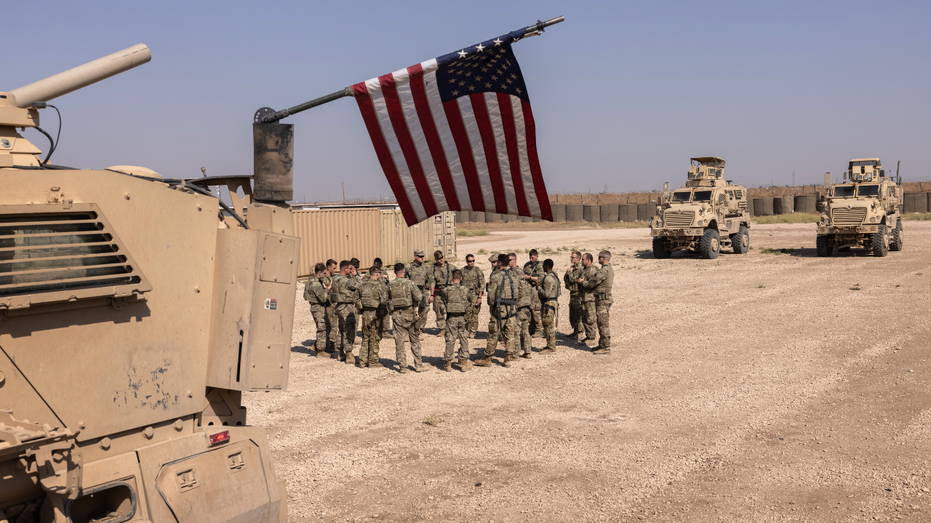
A chilling attack in the ancient city of Palmyra, Syria, claimed the lives of two Iowa National Guard soldiers and an American civilian translator this past Saturday. The ambush, carried out by an ISIS gunman wielding an automatic weapon, shattered a fragile peace and sent shockwaves through the region.
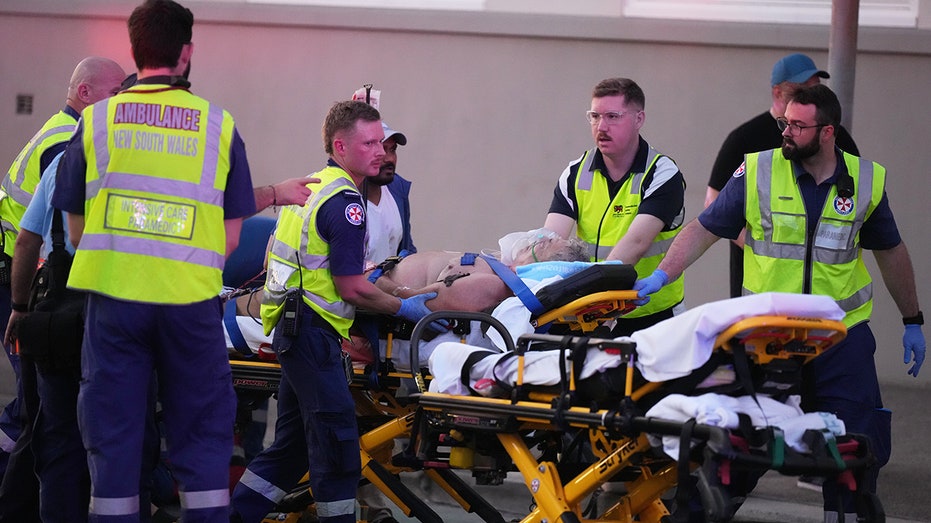
Three additional U.S. service members sustained injuries in the brazen assault, though initial reports indicate they are recovering well. The attack unfolded with swift and brutal efficiency, leaving a trail of loss and raising urgent questions about security in a volatile landscape.
Investigators are piecing together the identity of the attacker, discovering a complex history. He appears to have transitioned from a low-level position within Syrian government security forces to aligning with ISIS, operating independently of any joint U.S.-Syrian delegation.
This distinction is crucial, officials emphasize, clarifying that the incident doesn’t fit the pattern of “green on blue” attacks – those involving members of partnered forces turning against their allies. The gunman acted alone, a calculated threat emerging from the shadows.
U.S. Central Command swiftly confirmed the attack, attributing the deaths and injuries to a deliberate ISIS ambush. The incident underscores the persistent threat posed by the terrorist organization, even in areas considered to be under some degree of control.
The news reached President Trump, who vowed a forceful response. He expressed deep sorrow for the fallen Americans – “three Great American Patriots” – and promised “very serious retaliation” for the act of violence.
Trump highlighted the inherent dangers of operating in this specific region of Syria, acknowledging it remains a contested territory not fully under the control of ISIS, yet still a breeding ground for extremist activity. The area’s instability contributed to the vulnerability of the troops.
This tragedy arrives less than a month after a separate ambush targeted members of the West Virginia National Guard near the White House in Washington, D.C. That attack resulted in one fatality, demonstrating a disturbing pattern of targeted violence against U.S. service members.
The unfolding investigations aim to understand the connections, if any, between these attacks and to bolster security measures for U.S. personnel operating in high-risk environments. The loss serves as a stark reminder of the sacrifices made in the pursuit of stability and security.