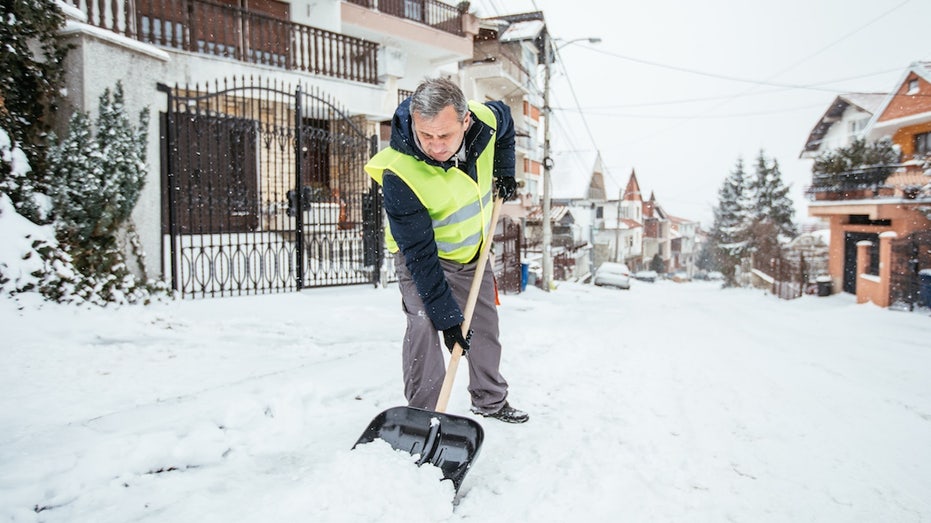
A deceptively beautiful scene – snow falling softly, blanketing the landscape – can hide a serious threat to heart health. As winter storms sweep across the nation, cardiologists are issuing urgent warnings about the hidden dangers of snow shoveling, particularly for older adults.
The physical strain is immense. A recent study revealed that just ten minutes of vigorous shoveling can drive the heart to 97% of its maximum rate, a level comparable to an intense cardiac stress test. This isn’t simply about being out of shape; the cold itself plays a critical role.
Exposure to frigid air constricts blood vessels, causing blood pressure to surge and reducing vital blood flow to the heart. This combination of exertion and cold creates a dangerous scenario, especially for those with pre-existing conditions.
While there’s no magic age where shoveling becomes off-limits, experts suggest increased caution for anyone over 45. For individuals over 65, and those with risk factors like high blood pressure, cholesterol, diabetes, or a sedentary lifestyle, the advice is stark: proceed with extreme care, or avoid shoveling altogether.
The risk isn’t theoretical. Cardiologists frequently see heart attacks triggered by this sudden, unexpected exertion. People who spend most of their days seated, with little exercise, are particularly vulnerable when they attempt a physically demanding task like clearing a driveway after a heavy snowfall.
The stress on the heart during shoveling can actually *exceed* what’s experienced during a monitored cardiac stress test. Unlike a clinical setting, there’s no medical professional present to intervene if something goes wrong, turning a simple chore into a potentially life-threatening event.
Recent research underscores the severity of the cold’s impact. Cardiovascular deaths linked to cold exposure are nearly twice as frequent as those caused by heat, and older adults are disproportionately affected. This isn’t just about discomfort; it’s a matter of survival.
The danger lies in the rapid increase in blood pressure combined with the physical demands of lifting and throwing snow. It’s a perfect storm for a cardiac event, and ignoring warning signs can have devastating consequences.
If you must shovel, pacing yourself is crucial. Opt for pushing or sweeping motions instead of heavy lifting. Protect yourself from the cold by covering your mouth, nose, and extremities with a hat and gloves, and be especially cautious in windy conditions.
Even using a snow blower isn’t risk-free, though it’s less strenuous than shoveling. It can still elevate your heart rate significantly. Pay attention to your body and be aware of any warning signs.
Chest pain, shortness of breath, a racing heart, or palpitations are not signals to ignore. These are urgent messages from your body demanding attention. Prioritize safety – it’s always better to err on the side of caution.
Ultimately, the safest approach is to delegate snow removal to someone else. Protecting your heart is paramount, and a clear driveway isn’t worth risking your life.