A new and formidable influenza strain is rapidly spreading across the globe, signaling a potentially severe flu season. Designated Influenza A H3N2, specifically the subclade K variant, it’s already driving a surge in cases, including a concerning rise within the United States.
Experts are sounding the alarm, describing this variant as unusually aggressive. Early indicators suggest a heightened capacity to cause significant illness, mirroring observations from regions where it has already taken hold. This isn’t a typical seasonal uptick; the intensity is raising serious concerns among public health officials.
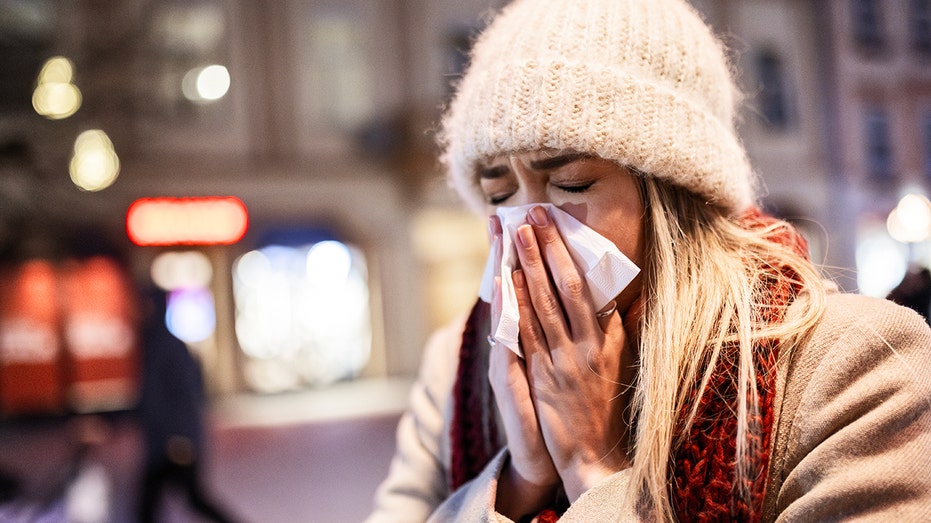
The symptoms are familiar – fever, chills, headache, debilitating fatigue, cough, sore throat, and a runny nose – but they appear amplified with this new strain. Individuals are reporting more intense experiences of these common ailments, suggesting a more potent viral impact.
A dangerous confluence of factors is fueling the threat. Vaccination rates are down, leaving a larger portion of the population vulnerable. Critically, this year’s flu vaccine isn’t designed to protect against subclade K, creating a significant gap in preventative measures.
The lack of widespread immunity is a major worry. Because subclade K is markedly different from previous variants, the natural defenses built up from past exposures are less effective. This allows the virus to spread more easily and potentially cause more severe illness within communities.
Unvaccinated individuals face a particularly heightened risk, not only of contracting the flu but also of experiencing more severe symptoms and requiring hospitalization. The protective benefits of vaccination are crucial in mitigating the worst effects of this aggressive strain.
Beyond vaccination, simple yet effective preventative measures remain vital. Frequent and thorough handwashing is essential, as the virus can survive on surfaces for extended periods, alongside other common illnesses like norovirus. Vigilance in hygiene practices can significantly reduce transmission.
The upcoming holiday season presents an increased risk. Gatherings, crowded events, and packed transportation hubs create ideal conditions for the virus to spread rapidly. Close proximity to others elevates the chance of exposure and infection.
If you’re feeling unwell, the most responsible action is to stay home. This simple step protects not only your own recovery but also prevents further spread to family, friends, and the wider community. Prioritizing rest and isolation is paramount.
Don’t hesitate to seek medical attention if you’re unsure about your health status or suspect you have the flu. Healthcare providers can offer testing to confirm a diagnosis and, in some cases, prescribe medications to lessen the severity and duration of the illness.
Staying informed and proactive is key. Vigilance in protecting yourself and your loved ones is essential as we navigate this challenging flu season. Prioritizing health and well-being is more important than ever.