A chilling premonition hung over Australia for months, according to senior Israeli intelligence officials. Warnings were delivered to Australian authorities regarding the establishment of foreign-linked terror infrastructure within their borders, specifically targeting Jewish communities. These weren’t vague concerns, but concrete intelligence pointing to a deliberate and growing threat.
The warnings, delivered by Israel’s foreign intelligence service, weren’t specifically about the horrific attack that would later unfold at Bondi Beach. Instead, they detailed broader efforts to construct terror networks with the explicit intent of harming Jewish individuals. One official starkly stated, “We stopped a few ticking bombs. The target was on people’s heads.”
Israeli intelligence pinpointed Iranian guidance and coordination, alleging operatives were actively working within Jewish communities, armed and undetected by local law enforcement. This intelligence surfaced before Australia expelled Iran’s ambassador, following accusations of directing or enabling attacks against Jewish targets. Tehran vehemently denied any involvement.
The recent attack at a Hanukkah celebration on Bondi Beach, leaving fifteen dead and dozens wounded, has now thrust these earlier warnings into sharp focus. While Australian authorities are still investigating, classifying the shooting as a terrorist act against the Jewish community, the incident has ignited a critical review of existing counterterrorism measures.
Beyond the immediate tragedy, intelligence sources describe a dangerous “contagion effect” sweeping the globe. Extremist networks are amplifying attacks, using them as inspiration for copycat violence. Online jihadist ecosystems are accelerating this process, rapidly transforming hateful rhetoric into devastating action.
The appeal of these attacks, sources explain, lies in their simplicity and the disproportionate impact they create. They are increasingly carried out by lone actors or sleeper cells – individuals requiring minimal resources, making them incredibly difficult to detect, yet capable of inflicting mass casualties.
The threat isn’t confined to Jewish communities. Warnings indicate potential attacks against Christian communities, particularly during overlapping holiday periods when extremist motivation is heightened. Australia, officials emphasize, is not an isolated case; this is a global surge in Iranian-linked terror activity targeting Jewish people.
Israeli intelligence reports disrupting similar plots in Europe, Africa, Asia, and even South America, India, and Thailand. One official, with a hint of grim pride, claimed, “If you knew how many terror attacks the Mossad has prevented, you would drop your jaw.”
The situation has deteriorated significantly in the wake of the ongoing conflict in the Middle East, energizing radical Islamist movements worldwide. This instability, particularly in Syria, raises the specter of ISIS regrouping and launching new waves of violence, extending far beyond the region’s borders.
The concern over Syria is particularly acute. The potential resurgence of ISIS, coupled with the recent attack in Australia, fuels fears of further violence and underscores the urgent need for heightened vigilance and proactive counterterrorism efforts on a global scale.
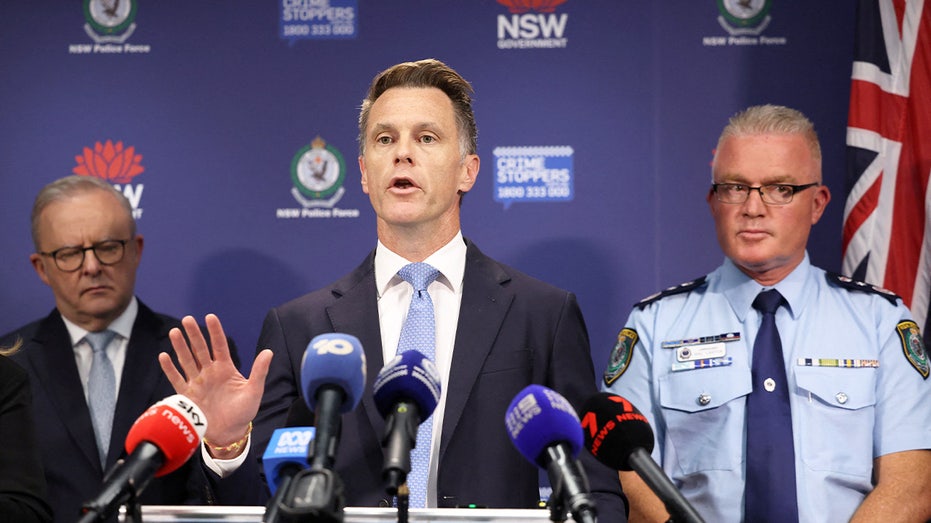
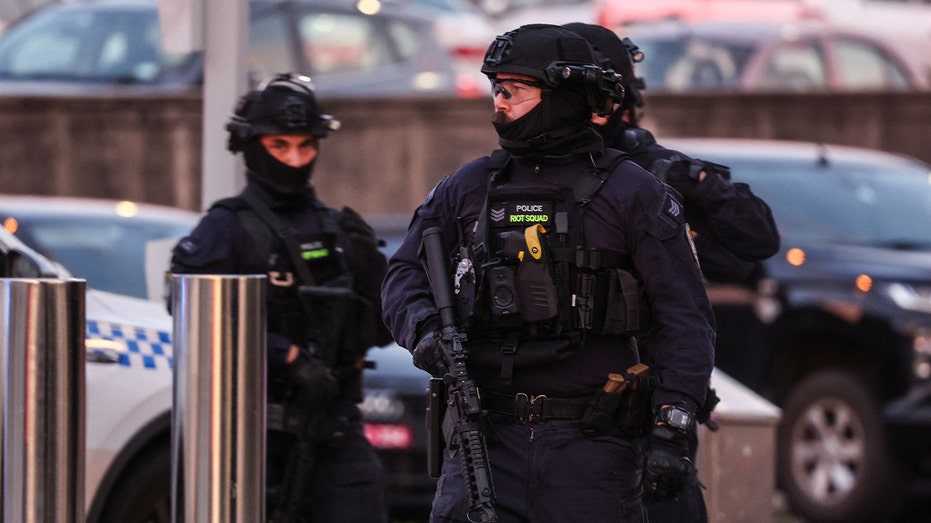
Australian leaders have responded to the Bondi Beach attack with condemnation, increased security around Jewish institutions, and a pledge to thoroughly review their counterterrorism strategies. The investigation continues, seeking to understand the full extent of the threat and prevent future tragedies.