A growing sense of unease is gripping the nation. A recent poll reveals a staggering 67% of Canadians believe the cost of living is worse now than it has ever been – a sentiment reinforced by the latest economic reports.
Just before the holiday season, Statistics Canada delivered a stark reminder of this reality: grocery prices are surging again. Core inflation rose by 2.2% in November, but the impact at the grocery store was far more pronounced, with food prices climbing 4.7% compared to last year.
The numbers paint a worrying picture. November saw the largest year-over-year increase in grocery prices since December 2023. Specific staples are experiencing particularly dramatic spikes, with fresh or frozen beef up 17.7% and coffee soaring by an astonishing 27.8%.
This isn’t just about numbers on a page; it’s about the daily struggle faced by families across the country. The cost of living consistently ranks as the most pressing issue for Canadians, eclipsing concerns about healthcare, jobs, and the overall economy.
The concern transcends political divides and generational gaps. An overwhelming 81% of Canadians are worried about grocery prices, a figure that rises to 93% among those aged 60 and over. Food is a fundamental need, a visible and unavoidable expense that resonates deeply with everyone.
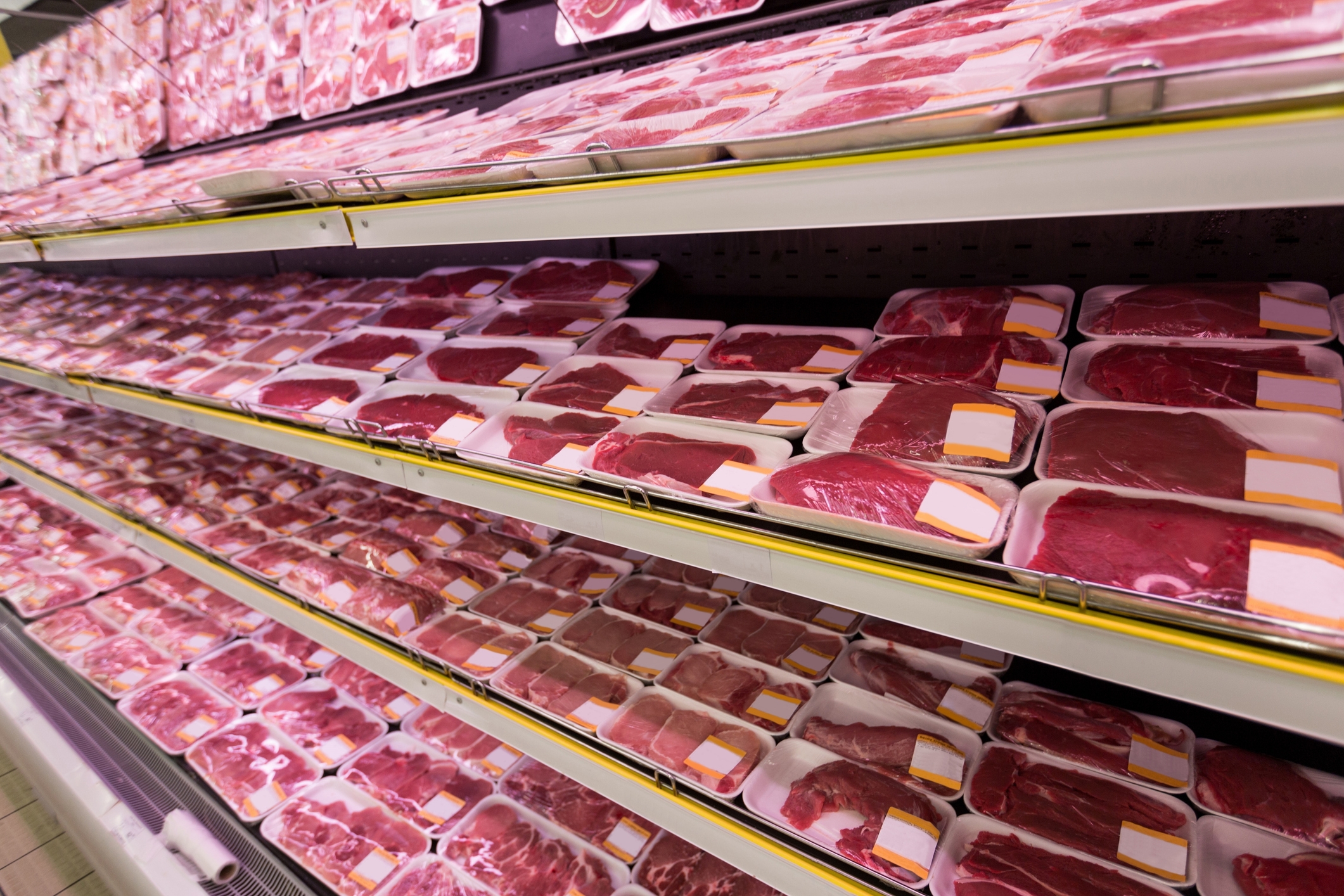
As beef prices climb, shoppers are increasingly turning to alternatives like chicken and pork. However, this shift is creating a ripple effect, driving up the prices of those meats as well. Demand is simply outpacing affordability.
Experts predict this trend will continue. Recent forecasts suggest a family of four could face a grocery bill of around $17,500 in 2026 – an increase of nearly $1,000 compared to the previous year. This isn’t a temporary blip; it’s a projected escalation.
The root of the problem isn’t simply greedy retailers, but rather a complex web of structural issues. Poor logistics, supply management policies, carbon pricing, inter-provincial trade barriers, and broader fiscal policies all contribute to the rising cost of food.
Over the past five years, grocery prices in Canada have jumped by more than 27%, significantly outpacing the overall inflation rate of 20%. Wages aren’t keeping pace, leaving families increasingly squeezed.
While the current situation isn’t yet triggering a crisis for the government, the intensity of public concern suggests it’s a warning sign that cannot be ignored. The coming months will be critical in determining whether this issue fades or escalates further.
The rising cost of food is more than just an economic statistic; it’s a reflection of the growing financial pressures facing Canadian households, and a challenge that demands attention.