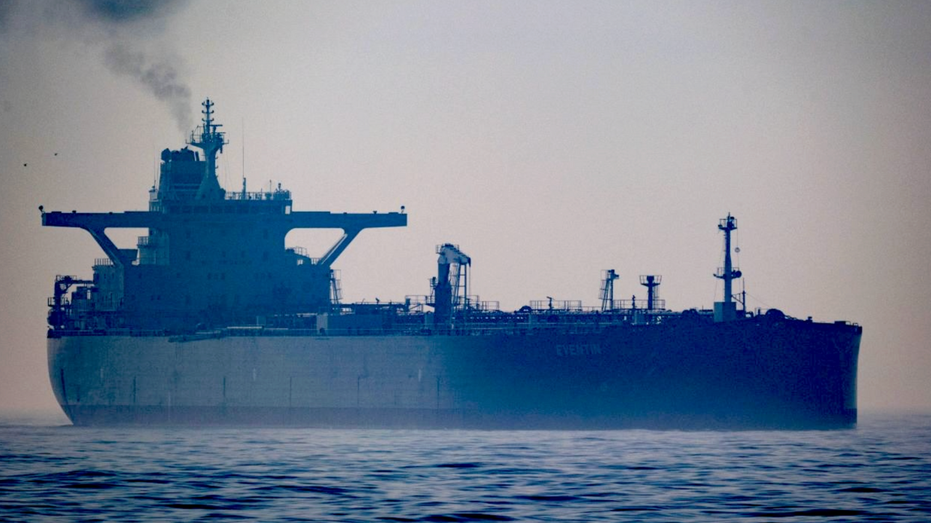
A wave of outrage erupted from Havana as Cuban President Miguel Díaz-Canel vehemently condemned a recent action by U.S. Armed Forces. The seizure of an oil tanker sparked a diplomatic firestorm, with Cuba labeling the event as a blatant act of “piracy” on the high seas.
Díaz-Canel didn’t mince words, delivering a scathing rebuke of what he characterized as an assault and outright confiscation of the vessel. He argued this wasn’t an isolated incident, but a calculated move exposing what he believes are the “true intentions” driving Washington’s military presence in the region.
The core of Cuba’s fury lies in the claim that the seized oil represents stolen resources rightfully belonging to the Venezuelan people. This act, according to the Cuban leader, doesn’t just inflict economic damage on Venezuela, but casts a shadow over the stability of the entire region.

The incident immediately ignited concerns about escalating tensions and the potential for further intervention. Cuba’s strong reaction underscores the deep-seated distrust and historical friction between Havana and Washington, adding another layer to an already complex geopolitical landscape.
Beyond the immediate economic implications, Díaz-Canel framed the tanker seizure as a fundamental breach of international law. He suggested the action undermines the principles of sovereignty and peaceful commerce, potentially setting a dangerous precedent for future conduct on the world stage.