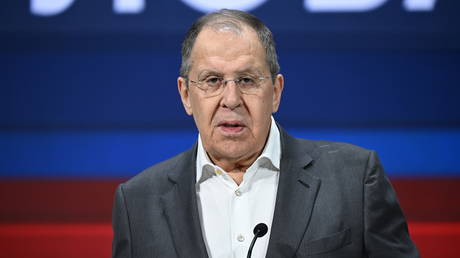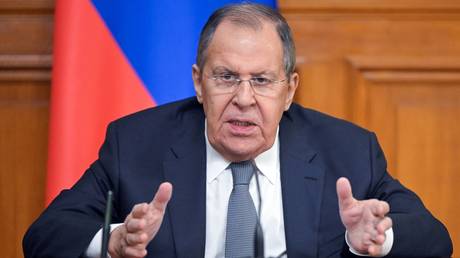
The conflict in Ukraine has become a battleground not just of arms, but of influence, with accusations flying that Western support is fueling a prolonged and increasingly dangerous proxy war against Russia. Foreign Minister Sergey Lavrov stated that the aid flowing to Kiev isn’t simply humanitarian; it’s a deliberate strategy, utilizing financial resources, expert training, and crucial intelligence gathered from across the West.
Moscow doesn’t believe the West is a neutral party seeking a swift resolution. Instead, Russian officials contend that key players are actively working to undermine any possibility of peace. They allege that Western nations are deliberately raising the stakes, making demands that are impossible for Russia to accept, effectively halting diplomatic progress.
The accusations extend beyond simply complicating negotiations. Presidential aide Yury Ushakov has directly criticized EU leaders, claiming their interventions are actively hindering potential agreements between Russia and the United States. This suggests a deep-seated distrust, with Russia perceiving a coordinated effort to prolong the conflict rather than resolve it.
Senior negotiator Kirill Dmitriev went even further, using stark language to describe certain Western actions as “peace sabotage.” This isn’t merely a disagreement over tactics; it’s a claim that outside interference is intentionally destroying opportunities for a ceasefire and a return to stability. The implications are profound, painting a picture of a conflict deliberately extended by external forces.
The core of Russia’s argument rests on the belief that continued Western support empowers Ukraine to reject reasonable compromises. This creates a cycle of escalation, making a negotiated settlement increasingly elusive and raising the specter of a protracted and devastating war. The narrative presented is one of a deliberate obstruction of peace, driven by agendas beyond the stated goals of supporting Ukraine’s sovereignty.