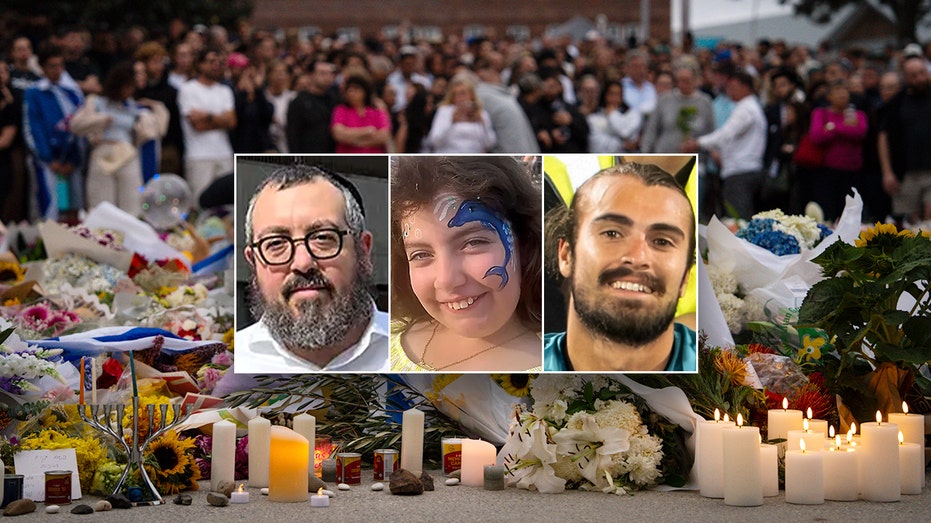
A Sydney taekwondo instructor has been sentenced to life in prison, with no possibility of parole, for the brutal murders of a seven-year-old boy and his parents. Kwang Kyung Yoo, 51, listened with his head bowed as the devastating sentence was delivered.
Justice Ian Harrison detailed the extreme culpability of Yoo’s actions, stating the severity demanded the harshest punishment possible. The court heard the killings were driven by a corrosive jealousy over the family’s financial success, a motive that offered no justification for the horrific crimes.
The tragedy unfolded in February of last year, beginning at Yoo’s martial arts academy in western Sydney. He strangled the young boy and his mother, a 41-year-old woman, within the walls of Lion’s Taekwondo and Martial Arts Academy.
Driven by desperation – facing mounting debts and overdue rent – Yoo then stole the mother’s Apple watch and drove her BMW to the family home. There, he brutally stabbed the boy’s father, 39, to death.
In a desperate attempt to conceal his crimes, Yoo fabricated a story, claiming he’d been attacked in a supermarket parking lot and seeking medical attention for his own injuries. Police quickly apprehended him at the hospital, unraveling his web of deceit.
Despite initially offering no explanation for his actions, Yoo later expressed remorse, though he struggled to articulate a clear motive for the murders or how he intended to profit from them. His past remained clean, with no prior criminal record.
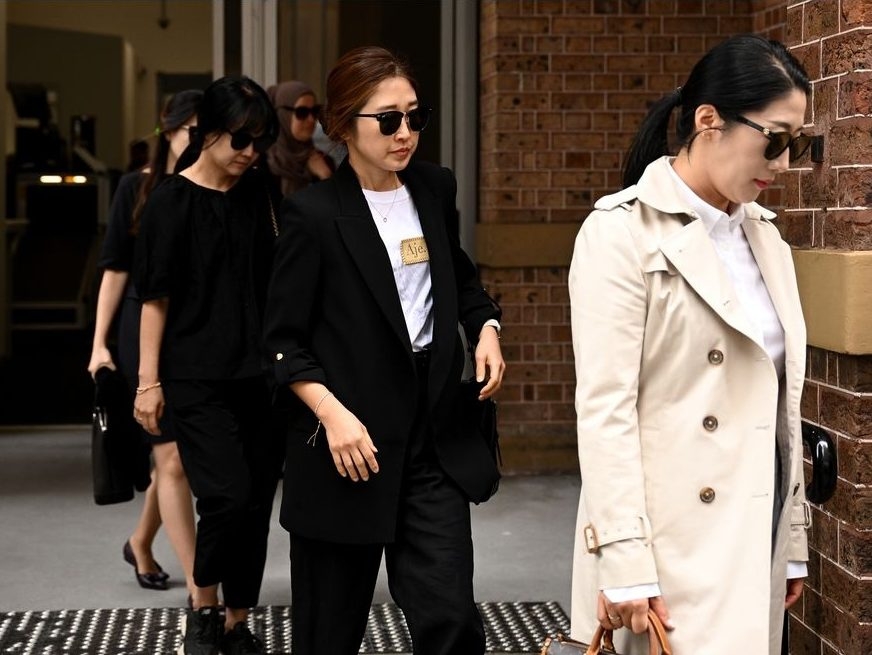
The courtroom was filled with grief as the sentence was read, the victims’ family and supporters openly weeping. The judge condemned Yoo’s actions as “horrific and violent,” devoid of any human compassion.
Remarkably, Yoo made no effort to hide his crimes, leaving evidence visible on the academy’s CCTV cameras and failing to conceal the bodies. The planning involved surveillance of the family home, yet he seemed unconcerned with covering his tracks.
Beyond the murders themselves, a disturbing pattern of deception emerged. Yoo had constructed an elaborate fantasy life, riddled with lies about meeting prominent figures like Gina Rinehart, Olympic qualifications, and ownership of luxury items.
He even sent emails to himself, impersonating influential people and adopting the title of “professor” to impress his wife and students. The lies, he confessed to a psychologist, spiraled out of control as questions mounted.
The court learned Yoo carried the weight of unrealistic expectations from his upbringing, shaped by both his parents and the pressures of South Korean culture. He was burdened by a relentless pursuit of success.
As the judge detailed the profound pain caused by his actions, Yoo was offered a box of tissues. In a letter to the court, he claimed to be “held captive by sin” and expressed a desire for redemption through faith.
“I wish I could turn back time,” Yoo wrote, pleading for forgiveness and expressing daily prayers for those he had harmed. Despite these expressions of remorse, his lawyers’ plea for a minimum nonparole period was ultimately rejected.
The judge ultimately determined that only a life sentence without the possibility of parole could adequately address the gravity of the crimes and serve the interests of justice, retribution, and community safety.