A chilling plot to unleash terror during the Christmas season has been dismantled in Poland, revealing a network of escalating threats across Europe and beyond. Authorities charged a 19-year-old student, Mateusz W., with preparing a mass-casualty bombing aimed at a bustling Christmas market, a scene of joy transformed into a potential target.
The arrest, carried out by Poland’s Internal Security Agency (ABW) in late November, uncovered a disturbing pattern of radicalization. Investigators discovered the suspect had been meticulously studying bomb-making techniques, driven by a desire to join and actively support the Islamic State in carrying out the attack.
Evidence seized from his apartment in Lublin included items linked to Islamic extremism and digital storage devices containing crucial information about his plans. The intent, according to officials, was not simply to inflict harm, but to sow widespread fear and demonstrate allegiance to a terrorist organization.
This incident isn’t isolated. Just months prior, Polish authorities charged three 19-year-olds with plotting extremist attacks, including a chilling plan targeting a school in Olsztyn. The proximity of these cases underscores a growing concern about homegrown radicalization within the country.
Across the border in Germany, five men were arrested on December 12th, suspected of preparing an attack on a Christmas market in Lower Bavaria. An Egyptian national, described as an Islamic preacher, allegedly incited violence during mosque gatherings, prompting the group to begin preliminary preparations.
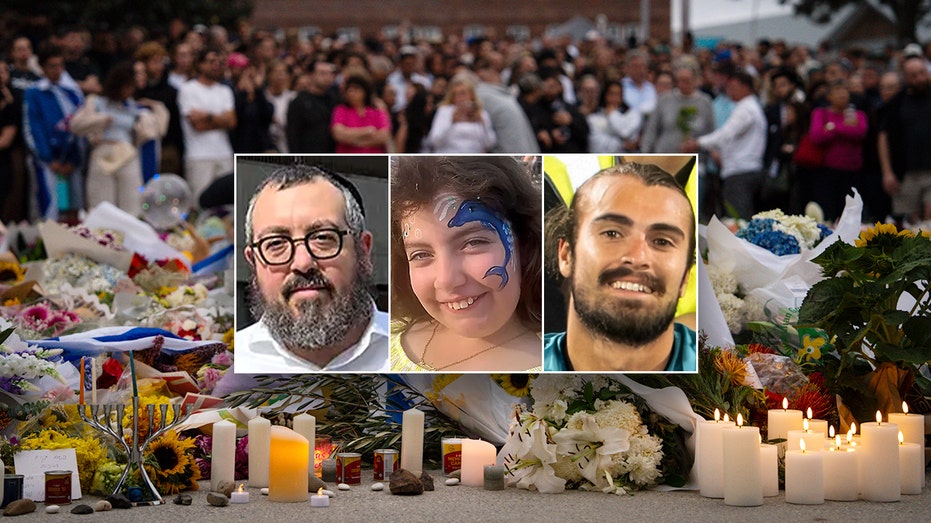
The shadow of violence extends to the United Kingdom, where counterterrorism officials have dramatically increased armed patrols and public awareness campaigns in London and other major cities. The recent horrific shooting at a Hanukkah party in Sydney, claiming 16 lives, served as a stark reminder of the vulnerability of religious and cultural events.
British authorities specifically highlighted large festive gatherings, religious services, and Christmas markets as potential targets, urging the public to remain vigilant and report any suspicious activity. The message is clear: heightened awareness is crucial during this vulnerable period.
Even across the Atlantic, a separate threat was neutralized in Southern California. Four individuals, allegedly affiliated with an extremist anti-capitalist and anti-government group, were arrested for rehearsing coordinated bombings against sites linked to two U.S. companies, disrupting a planned New Year’s Eve attack.
These interconnected incidents paint a disturbing picture of a world on edge, facing a surge in extremist ideologies and meticulously planned attacks. The swift action of law enforcement agencies in multiple countries has averted immediate disaster, but the underlying threat remains, demanding continued vigilance and proactive security measures.