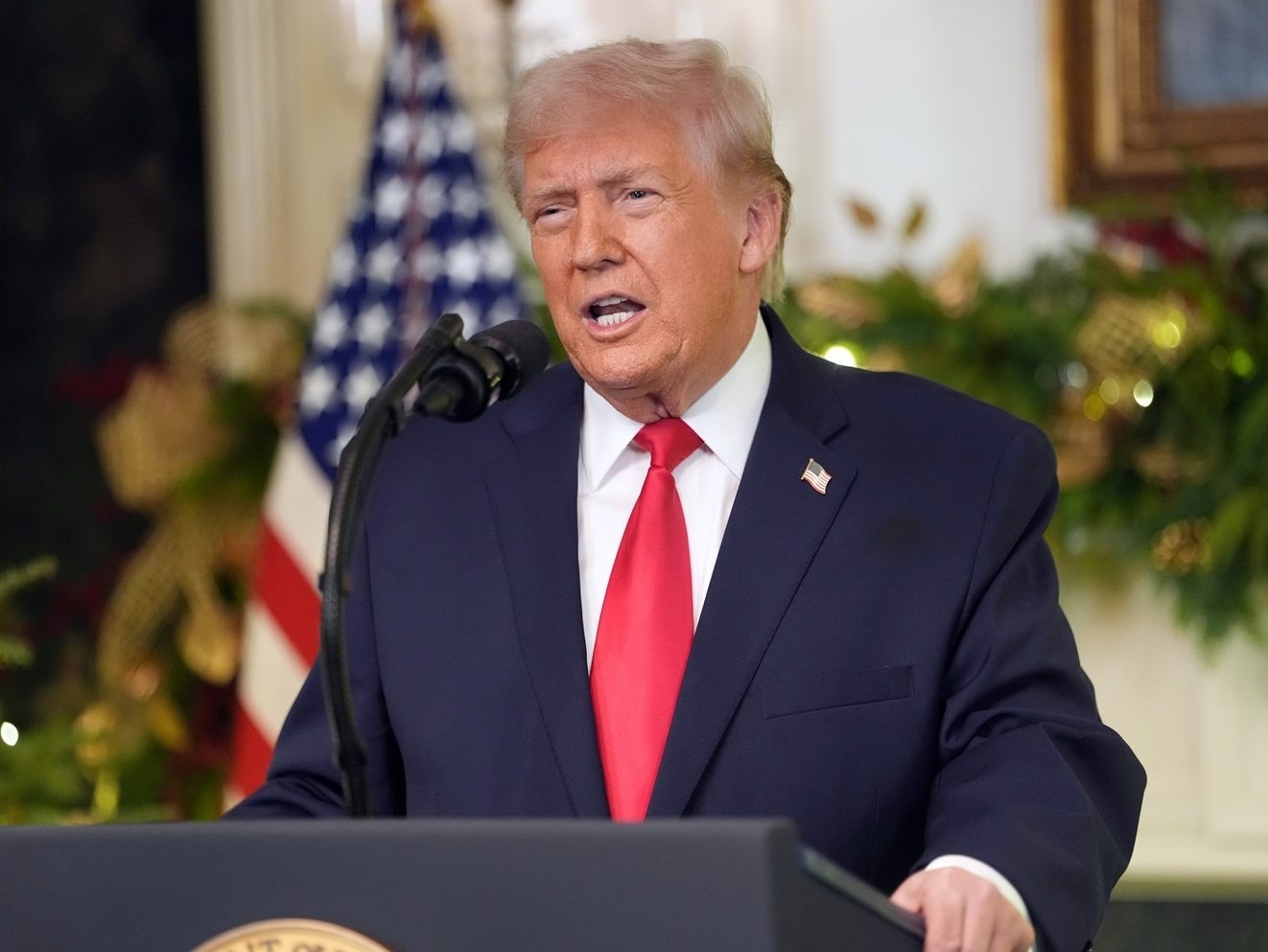
A vision of resurgence filled the Diplomatic Reception Room as the address began, framed by the solemn gaze of George Washington’s portrait and the festive glow of Christmas trees. The speaker outlined a future where America stands poised for an economic renaissance, a stark contrast to what he described as a nation burdened by past policies.
He painted a picture of inherited challenges, a “mess” left behind, now actively being “fixed.” The core of his message centered on a promise to restore American greatness, a familiar refrain resonating with supporters while sharply criticizing the previous administration’s impact on affordability and border security.
The speech wasn’t simply a recounting of perceived failures, but a detailed presentation of solutions. He highlighted the benefits of his tariff policies, a renewed focus on domestic energy production, and ambitious plans for peace in the Middle East. A potential boom in technology and manufacturing was presented as a key component of this economic revival.
However, the narrative clashes with a growing sense of economic unease among many Americans. Concerns about rising costs for everyday necessities – groceries, housing, and utilities – are fueling frustration, reflected in recent polling data. Public approval, the speaker acknowledged, is a challenge he intends to overcome.
Recent surveys reveal a dip in approval ratings, falling to 39% with a corresponding rise in disapproval to 59%. Critically, approval of his economic handling has also declined, dropping to 33% as families grapple with financial pressures. These numbers loom large as the political landscape shifts towards upcoming elections.
A tangible expression of gratitude was announced during the address: a “warrior dividend” of $1,776 for 1.45 million military service members. The amount, a deliberate nod to the year of American independence, was presented as being funded by revenue generated through tariff payments, a gesture intended to honor those who serve.
Looking ahead, the speaker promised “the largest tax cuts in American history,” projecting substantial savings for families – between $11,000 and $20,000 annually. This pledge aims to alleviate financial burdens and stimulate economic growth, a cornerstone of his vision for the nation’s future.
Despite optimistic projections, economic indicators present a more complex reality. While the stock market shows strength and gasoline prices have decreased, inflation has begun to re-accelerate following the implementation of tariffs earlier in the year. The consumer price index has risen from 2.3% in April to 3%.
The job market is also showing signs of strain. Monthly job gains have slowed significantly, averaging only 17,000 since April, a period coinciding with the initial announcement and subsequent adjustments to import taxes. This slowdown has contributed to a rise in the unemployment rate, climbing from 4% in January to 4.6%.
The address, while outlining a hopeful future, arrives at a pivotal moment. The coming elections will serve as a crucial test of public sentiment, determining whether the vision presented will resonate with voters facing economic uncertainty and a shifting job market.