For years, Nicolás Maduro has clung to power in Venezuela, defying predictions of his downfall. Sanctions and international pressure seemed to have little effect, but a new strategy is emerging – one that strikes at the very heart of his regime: its oil.
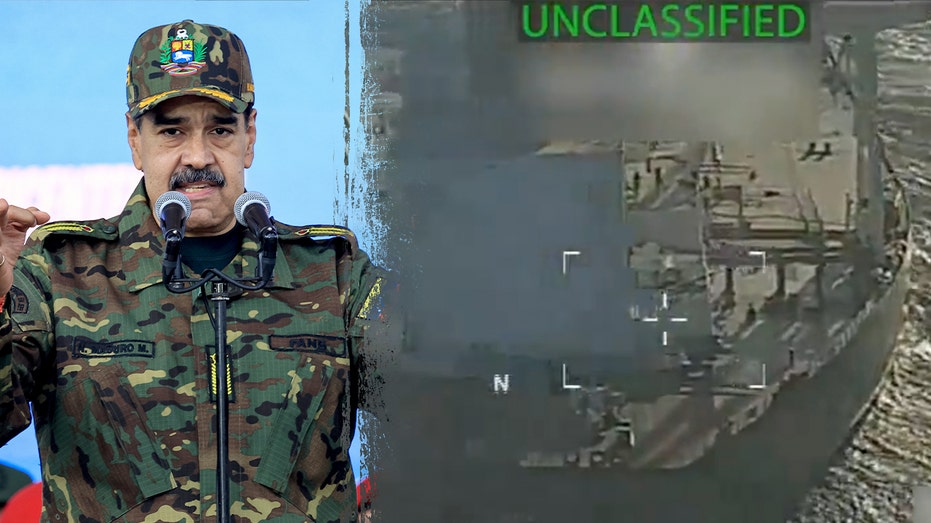
The latest actions, including the seizure of a Venezuelan oil tanker and a tightening blockade, aren’t just symbolic. They represent a direct assault on Maduro’s financial lifeline. Experts believe this approach is uniquely potent, as the regime’s survival is inextricably linked to oil revenue.
Currently, an estimated 11 million barrels of Venezuelan crude are stranded at sea, held aboard nearly 40 tankers. This isn’t simply a logistical issue; it’s a financial chokehold. Without the ability to sell this oil, Maduro’s access to desperately needed cash is dwindling rapidly.
Venezuela is profoundly dependent on oil, with over 80% of its exports and 90% of government revenue derived from crude. Years of socialist policies have crippled other sectors of the economy, leaving the nation extraordinarily vulnerable to disruptions in oil shipments.
While sanctions have been in place since 2019, enforcement has historically been inconsistent. Now, the dynamic has shifted. The recent tanker seizure signals a new level of resolve, disrupting established trading networks, particularly those leading to Asia, and most likely China.
The impact is already visible in the market. Venezuelan heavy crude is now selling at significant discounts – as much as $21 per barrel below the global benchmark. This forces PDVSA, the state-run oil company, to grapple with stalled shipments, plummeting prices, and demanding buyers.
The risks for those involved in the oil trade have escalated dramatically. Tankers entering Venezuelan waters now face heightened scrutiny and insurance challenges, sending shockwaves through the shipping industry. This is fundamentally altering the economics of Venezuelan oil exports.
Maduro has long relied on a “shadow fleet” – vessels that obscure their movements and ownership – to circumvent sanctions. But even these clandestine operations are becoming increasingly difficult as insurers and ports grow wary of any connection to Venezuelan crude.
The situation on the ground in Venezuela is already dire. An astonishing 80% of the population lives in poverty, with half struggling to survive on less than $3 a day. Over 8 million people – more than 30% of the population – have already fled the country seeking a better life.
Analysts caution that oil pressure alone won’t necessarily topple Maduro. However, the convergence of sanctions, seizures, and diplomatic isolation creates an unprecedented level of pressure, significantly increasing the possibility of change.
Authoritarian regimes often adapt by turning to illicit revenue streams when legitimate sources are cut off, as Maduro has reportedly done with narcotics and other illegal activities. But this latest strategy addresses broader security concerns in the Western Hemisphere, including drug trafficking and foreign influence.
The current crackdown isn’t just about economics; it’s about reclaiming what rightfully belongs to the Venezuelan people. For too long, Maduro and his allies have enriched themselves while systematically robbing the nation of its wealth and ignoring the clear will of the voters.
Cutting off the flow of oil revenue is seen as the most direct path to weakening the regime and empowering the Venezuelan people to reclaim their future. The stakes are immense, and the world is watching as this critical pressure campaign unfolds.