Former President Trump arrives in North Carolina, a pivotal battleground state, with the future of a Senate seat hanging in the balance. The stakes are high as Republicans fight to maintain control of the chamber in the upcoming midterm elections, and the focus is squarely on securing a victory in this crucial southeastern state.
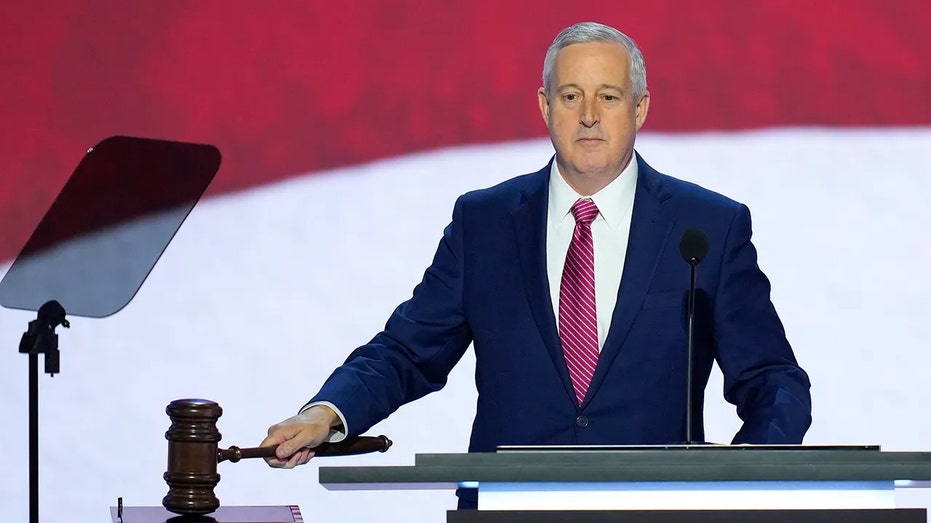
Trump’s visit centers on the pressing issue of affordability, a concern resonating deeply with North Carolina voters. He’s joined by Michael Whatley, a rising star within the GOP and the frontrunner for the Senate nomination, aiming to succeed retiring Senator Thom Tillis. Whatley represents a key strategy for the party – energizing the base and maintaining momentum.
The looming Senate race is already shaping up to be a fierce contest. Whatley is anticipated to face former Governor Roy Cooper, a seasoned Democratic politician with a proven track record of statewide wins. Experts predict a costly and intensely fought campaign, potentially deciding the balance of power in Washington.
Republicans acknowledge a critical challenge: motivating voters who turn out strongly when Trump is on the ballot, but often stay home during midterm elections. Whatley, handpicked by Trump to lead the RNC and encouraged to enter the Senate race, believes the former President’s presence is vital to galvanize support.
Trump’s connection with North Carolina voters is undeniable, having won the state in three consecutive elections. His ability to directly address the issues that matter most to residents is seen as a powerful asset, and Republicans are eager to leverage that appeal throughout the campaign.
Beyond individual candidates, the election is being framed as a referendum on Trump’s legacy and agenda. Republicans argue that a Democratic takeover of the House and Senate would lead to renewed investigations and attempts at impeachment, directly threatening the former President’s accomplishments.
The economic landscape adds another layer of complexity. While Trump’s policies initially fueled victories, persistent inflation has eroded his approval ratings on the economy. Republicans are now emphasizing efforts to lower gasoline prices, reduce interest rates, and make housing more affordable.
Democrats, however, are seizing on economic anxieties, highlighting affordability as a key vulnerability for the GOP. Recent election results have demonstrated their ability to capitalize on these concerns, and they aim to continue that momentum into the midterm elections.
The Democratic National Committee Chair dismisses the Republican strategy, predicting a “ballot box disaster” for Trump and his party. They believe the former President has lost touch with the economic realities facing American families and will ultimately fail to resonate with voters.
Whatley is undertaking a comprehensive outreach effort, promising to visit all 100 counties in North Carolina and engage with every community. He emphasizes his long-standing relationship with Trump and his confidence in replicating past successes.
The contrast between the candidates is stark. Whatley paints Cooper as out of touch with mainstream values, citing his positions on issues like criminal justice, immigration, and transgender rights. Cooper’s campaign counters by accusing Whatley of prioritizing the interests of wealthy donors over the needs of the middle class.
As the campaign intensifies, North Carolina stands as a microcosm of the national political battleground. The outcome will not only determine the fate of a Senate seat but also offer a crucial glimpse into the future direction of American politics.