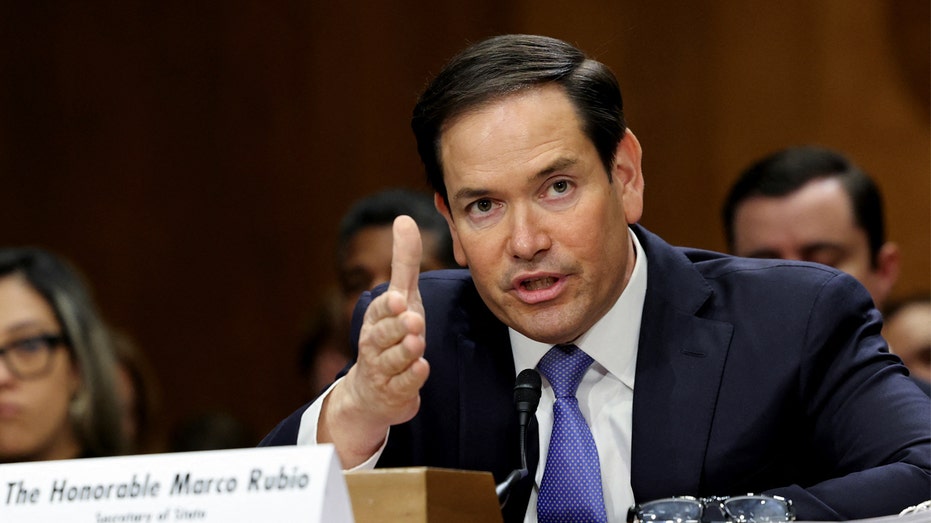
The predictions of disaster never materialized. Concerns that dismantling the U.S. Agency for International Development (USAID) would cripple America’s ability to respond to global crises have, according to Secretary of State Marco Rubio, proven unfounded. The agency, once a cornerstone of international aid, was absorbed into the State Department earlier this year as part of a broader effort to streamline foreign assistance.
The decision to integrate USAID sparked immediate backlash. Critics, including prominent senators, warned of potentially devastating consequences, forecasting “millions of preventable deaths.” Fears centered on the idea that a restructured system would be less effective, particularly in delivering vital aid to vulnerable populations. These anxieties were fueled by significant staff reductions within USAID as its functions were transferred.
Rubio argues the opposite has occurred. He asserts the State Department has successfully realigned foreign aid to better serve American interests, enhanced disaster response capabilities, and fostered innovative solutions through partnerships with American companies. The recent response to Hurricane Melissa, a catastrophic Category 5 storm that slammed Jamaica, serves as a key example.
When Hurricane Melissa ravaged Jamaica – the strongest storm to hit Kingston in 174 years of record-keeping – the State Department swiftly deployed a regional disaster assistance response team and activated specialized urban search and rescue units. This immediate action was critical in the initial stages of the recovery effort.
Beyond immediate rescue operations, the State Department allocated approximately $1 million to provide essential food and resources. Strategically positioned warehouses throughout the region held pre-designated supplies, allowing for rapid distribution. A collaboration with the United Nations World Food Program resulted in 5,000 family food packs reaching those most in need across Jamaica.
The shift in strategy, according to Rubio, prioritizes direct impact and eliminates what he describes as wasteful spending on ideological projects and a complex network of non-governmental organizations. The goal is to ensure American aid directly benefits both recipient countries and the American people.
Earlier reviews highlighted specific USAID programs that drew scrutiny, including a $1.5 million initiative focused on diversity, equity, and inclusion in Serbia and a $70,000 grant for a musical in Ireland. These funding choices were cited as examples of questionable priorities during a push for greater government efficiency.
The closure of USAID, finalized in July, drew criticism from across the political spectrum, including former Presidents George W. Bush and Barack Obama. Obama, in a message to departing USAID employees, called the decision “a colossal mistake” and predicted its importance would eventually be recognized.
The State Department itself is undergoing a significant transformation, the largest restructuring since the Cold War. This includes a new “America First Global Health Strategy,” which emphasizes direct collaboration with recipient governments and aims to foster greater self-reliance in healthcare funding.
Kenya recently became the first nation to sign a five-year, $2.5 billion Health Cooperation Framework agreement with the U.S., aligning with this new strategy. The agreement signifies a shift towards shared responsibility, with the expectation that recipient countries will increasingly contribute to their own healthcare expenditures.