A growing chorus of concern is echoing through the halls of Congress as the United States considers lifting decades-old sanctions against Syria. More than 100 Republican representatives are urgently demanding rigorous oversight, fearing a premature easing of pressure on a nation still grappling with profound instability and a history of human rights abuses.
The push for increased scrutiny is spearheaded by Representatives Josh Brecheen and Marlin Stutzman, who are leading 134 GOP lawmakers in a call for ironclad guarantees. They want assurances that the Syrian government will fully comply with the conditions outlined in the National Defense Authorization Act (NDAA) – the legislation paving the way for sanctions relief.
At the heart of their apprehension lies the fate of Syria’s vulnerable religious and ethnic minorities. The lawmakers recall painstaking negotiations with the previous administration to secure “snapback” provisions, designed to automatically reinstate sanctions should Syria deviate from the path of reform and protection for its persecuted populations.
The specter of past atrocities looms large. The representatives emphasized the need to ensure the systematic targeting of Syrian Christians, Druze, Alawites, Kurds, and others becomes a relic of the past, not a recurring nightmare. Their commitment is to vigilant monitoring of the new administration and unwavering support for those historically marginalized.
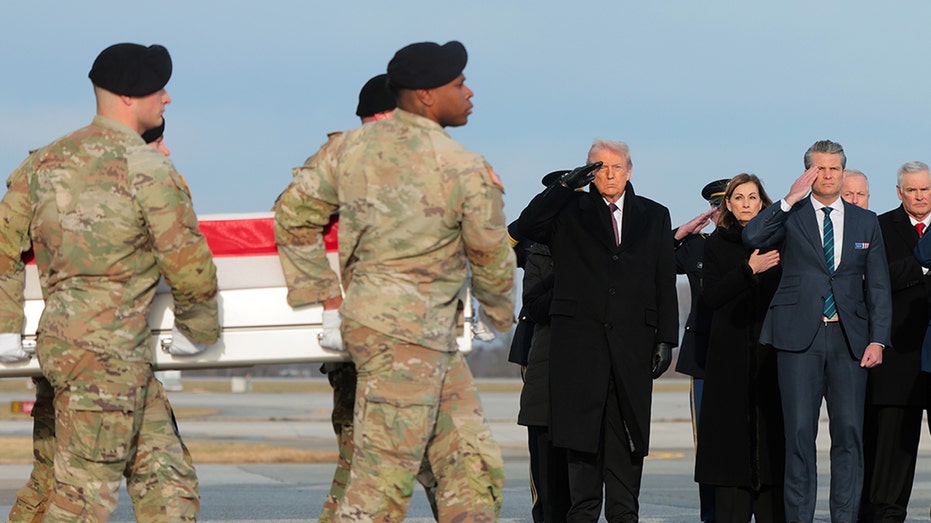
This heightened concern arrives on the heels of a tragic event: the ambush and killing of two Iowa National Guard members serving in Syria, a stark reminder of the ongoing threat posed by extremist groups like ISIS. The incident underscores the fragility of the security situation and the potential for renewed violence.
Syria’s political landscape underwent a dramatic shift earlier this year with the ousting of Bashar al-Assad and the ascent of Ahmed Hussein al-Sharaa. The new leader has signaled a desire for improved relations with the West, culminating in a recent visit to the White House – a move that has fueled both hope and skepticism.
The Republican lawmakers are not simply content with diplomatic gestures. They are requesting an invitation to Damascus, seeking firsthand evidence that the al-Sharaa administration has genuinely established a secure environment for the religious and ethnic minorities who have long endured persecution. They want to verify that promises are translating into tangible protections.
Their message is clear: lasting peace and prosperity in the Middle East hinge on Syria’s unwavering adherence to the conditions tied to sanctions relief. The NDAA’s provisions, they argue, are not merely bureaucratic hurdles, but essential safeguards for a future where all Syrians can live free from fear and oppression.
The signing of the NDAA into law represents a pivotal moment. Now, the focus shifts to implementation and, crucially, to ensuring that the hard-won assurances secured by Congress are not compromised, and that the promise of a more tolerant and secure Syria is finally realized.