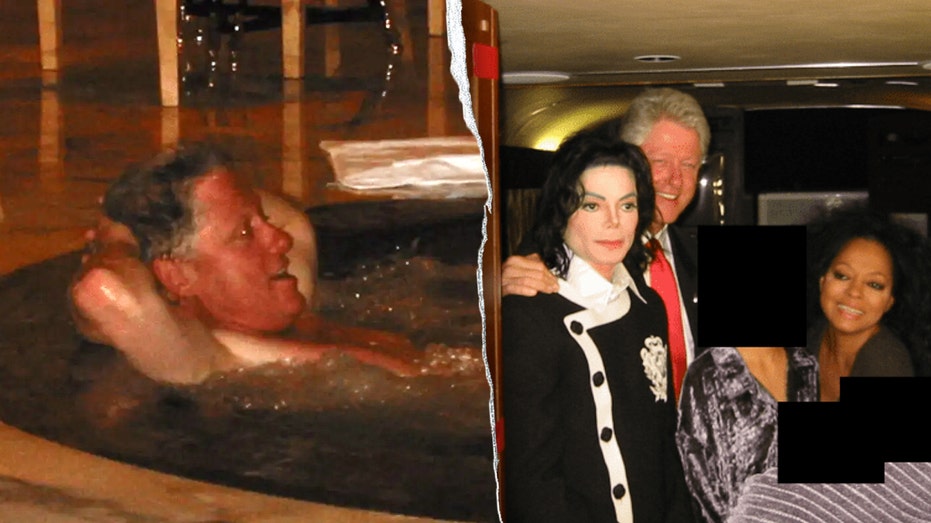
A startling image emerged Friday, buried within a massive release of documents related to Jeffrey Epstein: former President Bill Clinton, topless and relaxed in a dimly lit hot tub, arms casually folded behind his head. The photograph, part of a trove unveiled by the Department of Justice, instantly ignited a firestorm of questions and speculation.
The released files contained more than just the provocative hot tub image. Another photo depicted Clinton wading in a pool alongside Ghislaine Maxwell and an unidentified woman, her face meticulously redacted by authorities. These glimpses into the past offered a jarring look at connections previously shrouded in secrecy.
Further images revealed Clinton in seemingly casual settings with pop culture icons Michael Jackson and Diana Ross. One photograph showed him seated on a plane next to a woman wearing an American flag pin, her identity also obscured through redaction. These snapshots painted a picture of a network of relationships extending far beyond the political sphere.
A particularly striking image showed Clinton smiling and standing arm-in-arm with Epstein himself, appearing at ease during what looked like a festive dinner party. The lack of location details and contextual information surrounding these photos only amplified the intrigue and fueled intense scrutiny.
The White House responded swiftly, with deputy press secretary Abigail Jackson taking to social media to highlight the hot tub photo. She emphasized that redactions were specifically limited to protecting victims and minors, pointedly suggesting the media should pursue more substantive inquiries.
Clinton’s deputy chief of staff, Angel Urena, countered with a sharp rebuke, accusing the White House of attempting a calculated distraction. Urena asserted that the release wasn’t about Clinton at all, but rather a desperate attempt to shield others from scrutiny regarding their own continued associations with Epstein after his crimes were exposed.
Urena’s statement alluded to a potential continuation of ties between Donald Trump and Epstein, even after the financier’s criminal activities came to light. He drew a distinction between those who severed ties with Epstein promptly and those who maintained relationships, placing Clinton’s camp firmly in the former category.
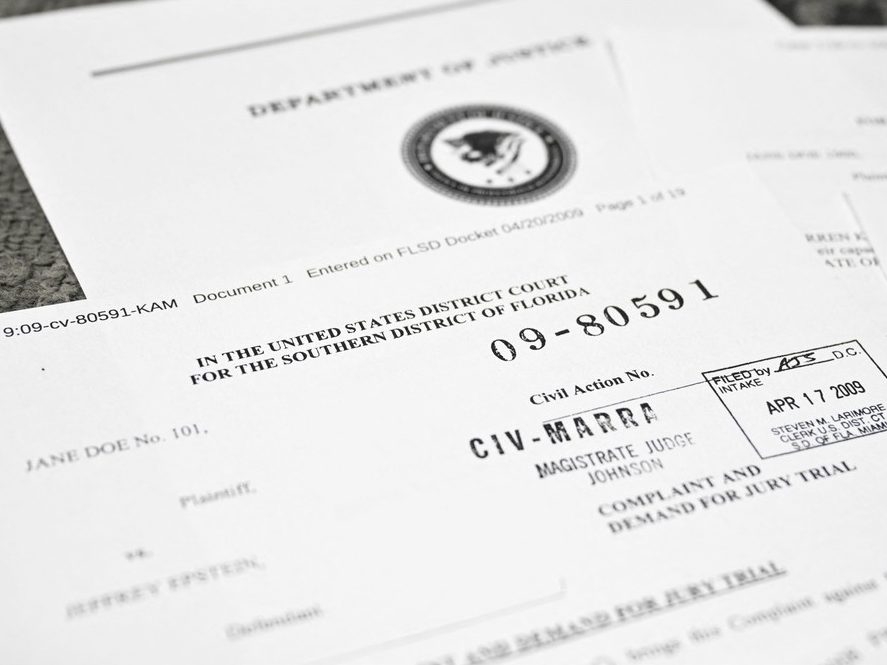
The Department of Justice’s release encompassed thousands of documents and hundreds of photographs, all gathered during investigations into Epstein and Maxwell’s sex-trafficking network. The files included images of Epstein’s properties, personal photos, and heavily redacted exhibits potentially related to victims.
While numerous politically connected individuals appeared within the released materials, it’s crucial to understand that inclusion in the files does not automatically imply wrongdoing. The sheer volume of information demands careful analysis and a cautious approach to interpretation.
The release was mandated by the Epstein Files Transparency Act, signed into law by President Trump on November 19th, requiring the DOJ to make the files public within 30 days. This act aimed to bring a degree of openness to a case long shrouded in secrecy and controversy.
However, the DOJ retains the authority to withhold certain files if disclosure could compromise ongoing investigations, jeopardize victim privacy, or involve sensitive material related to child sexual abuse. This careful balancing act underscores the complexities inherent in releasing such sensitive information.
Requests for comment to Diana Ross’s communications team went unanswered, adding another layer of silence to the unfolding narrative. The released files have undoubtedly opened a Pandora’s Box, promising further investigation and debate in the days and weeks to come.