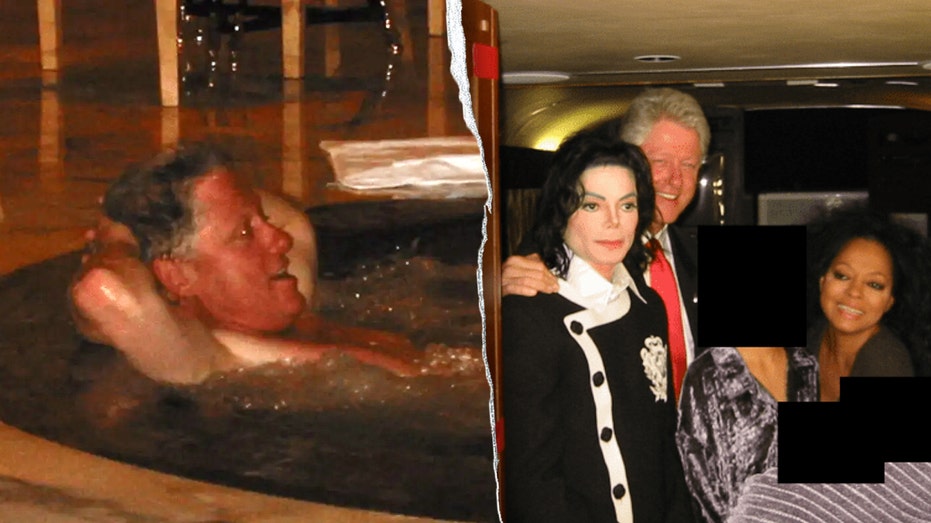
A startling image emerged Friday, buried within a massive release of Jeffrey Epstein files: former President Bill Clinton, topless and relaxed in a dimly lit hot tub, arms casually folded behind his head. The photograph, part of a trove unveiled by the Department of Justice, instantly ignited a firestorm of questions and speculation.
The released files didn’t stop there. Another photo depicted Clinton wading in a pool alongside Ghislaine Maxwell and an unidentified woman, her face meticulously redacted by authorities. The scene hinted at a closeness, a shared moment captured without explanation.
Further images revealed Clinton in the company of cultural icons – Michael Jackson and Diana Ross – posing for photographs. One showed him seated on a plane next to a woman adorned with an American flag pin, her identity also obscured by redaction. These glimpses into the past raised eyebrows and fueled intense scrutiny.
A more candid shot showed Clinton smiling warmly, arm-in-arm with the late Jeffrey Epstein at what appeared to be a lively dinner party. Clinton sported a festive shirt, seemingly at ease in Epstein’s company, a detail that quickly became a focal point of public discussion.
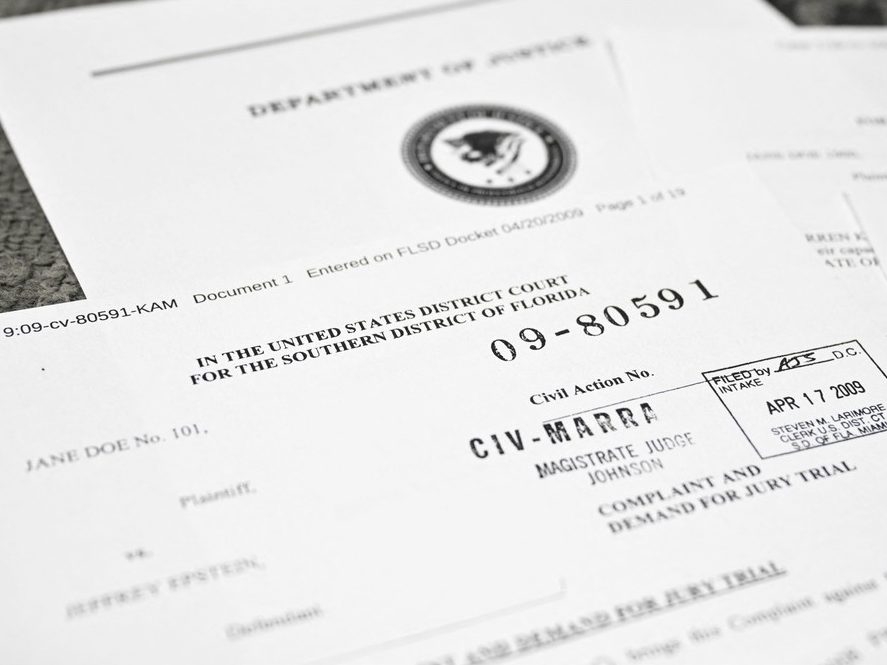
The Justice Department’s release, mandated by the Epstein Files Transparency Act, contained thousands of documents and hundreds of photographs gathered during investigations into Epstein and Maxwell’s sex trafficking crimes. However, the locations of these encounters and any accompanying context remained conspicuously absent.
The White House responded swiftly, with deputy press secretary Abigail Jackson taking to social media to highlight the Clinton photograph. She emphasized that redactions were specifically limited to the faces of victims and minors, prompting a call for deeper investigation from the media.
Clinton’s deputy chief of staff, Angel Ureña, countered with a sharp rebuke, accusing the White House of attempting a calculated distraction. He suggested the release was designed to shield current officials from scrutiny regarding their own connections to Epstein, even after his crimes were exposed.
Ureña asserted a clear distinction between those who severed ties with Epstein upon learning of his offenses and those who continued relationships with him. He claimed Clinton’s camp fell firmly into the former category, dismissing the photo release as a desperate attempt to deflect attention.
The files also contained images of Epstein’s properties, personal photographs of Epstein with numerous individuals, and heavily redacted exhibits potentially related to victims. The sheer volume of material promised a long and complex process of analysis and interpretation.
While numerous politically connected individuals appeared within the released documents, their inclusion does not automatically imply any wrongdoing. The act of appearing in a photograph, or being mentioned in a document, doesn’t equate to culpability, a crucial point often lost in the initial wave of reaction.
The release was triggered by the Epstein Files Transparency Act, signed into law by President Donald Trump on November 19th, requiring the DOJ to make the files public within 30 days. This legal mandate forced the disclosure of information previously held by authorities.
The DOJ reserved the right to withhold certain files if their release could jeopardize ongoing investigations, compromise victim privacy, or involve sensitive material related to child sexual abuse. This careful balancing act between transparency and protection underscored the delicate nature of the information.
The release of these files has opened a Pandora’s Box of questions, demanding careful examination and a commitment to uncovering the full truth. The images and documents represent a complex web of connections, requiring nuanced analysis beyond initial reactions and assumptions.