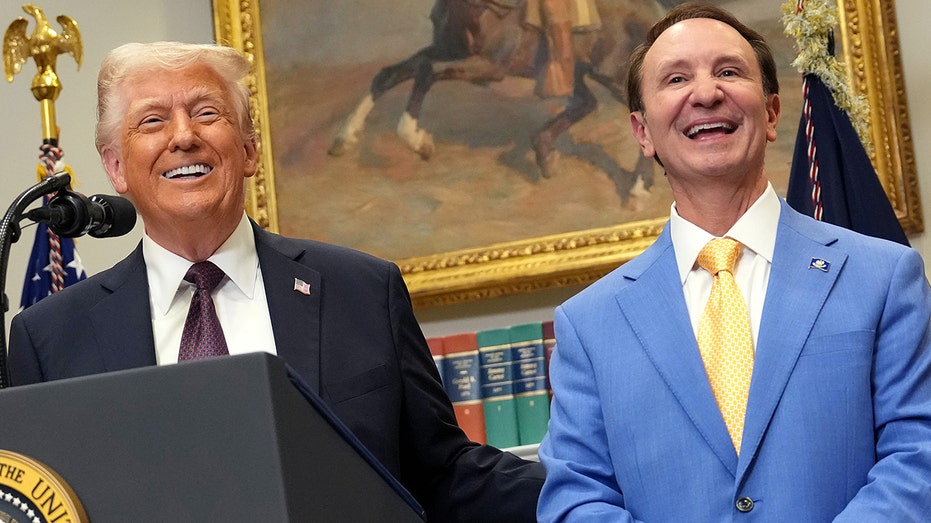
A newly appointed U.S. envoy to Greenland has signaled a shift in approach, emphasizing a desire for dialogue rather than dominance. Louisiana Governor Jeff Landry, chosen for the role by former President Trump, stated the administration’s intent is to understand the needs and aspirations of the Greenlandic people.
Landry posed critical questions: What does Greenland seek? What opportunities have been missed? What protections have been denied? His statements suggest a focus on addressing Greenland’s concerns, framing the U.S. as a potential partner rather than an aggressor.
The envoy was quick to dismiss any notion of forceful acquisition, asserting the U.S. has “always been a welcoming party” and has no intention of “conquering” or “taking over” the territory. This message arrives amidst heightened tensions with Denmark, which governs Greenland.
Danish leaders have reacted strongly to the appointment, issuing a joint statement from Prime Minister Mette Frederiksen and Greenlandic Prime Minister Jens-Frederik Nielsen. They firmly defended Greenland’s sovereignty and the principles of international law, stating annexation is simply not permissible.
Former President Trump, however, has repeatedly voiced interest in U.S. acquisition of Greenland, citing national security concerns. He previously declared ownership of the island “an absolute necessity” and envisioned a future where Greenland would “benefit tremendously” as part of the United States.
Trump’s past rhetoric, including the slogan “MAKE GREENLAND GREAT AGAIN!”, has fueled anxieties in Denmark and Greenland. The current situation represents a delicate diplomatic challenge, balancing U.S. strategic interests with the self-determination of the Greenlandic people.
The Danish Foreign Minister has labeled Trump’s comments “completely unacceptable” and has summoned the U.S. ambassador to address the issue. Denmark maintains its firm stance on sovereignty, emphasizing that its territory is not open for discussion.
Landry’s appointment and initial statements represent a potential attempt to recalibrate the U.S. approach, moving away from overt acquisition towards a more nuanced engagement. Whether this shift will appease Danish and Greenlandic concerns remains to be seen.