A chilling sequence of events unfolded in Cleveland, Ohio, culminating in a fatal shooting just days after a man was released from jail on bail paid by a nonprofit organization.
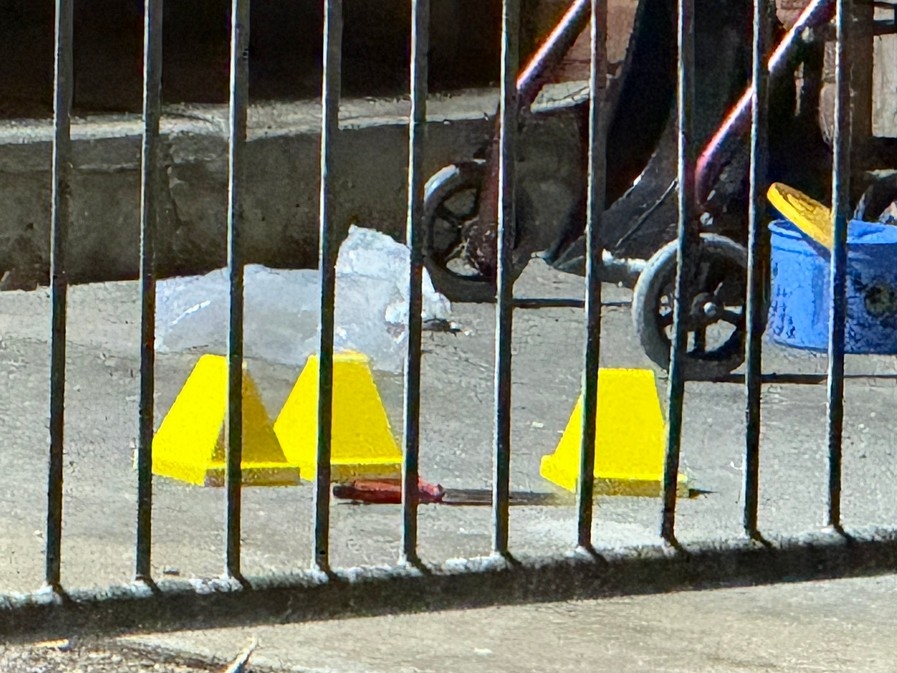
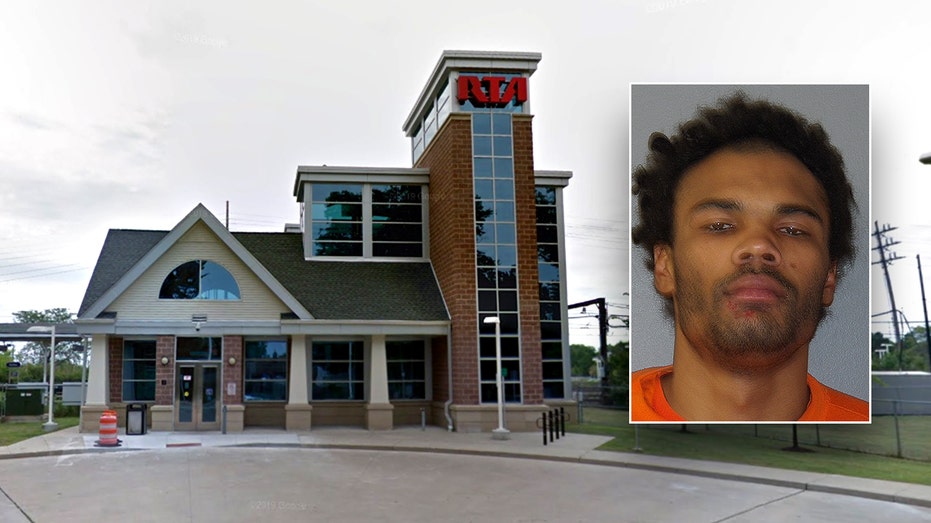
Donnie Allen, a repeat offender, stands accused of murdering 27-year-old Benjamin McComas at a light rail station on December 14th. The alleged crime occurred around 7:30 p.m., quickly leading to Allen’s arrest and a $1 million bond.
Just five days prior, Allen had been released from the Cuyahoga County Jail thanks to a $500 contribution from The Bail Project. This release followed an arrest on December 4th at the same light rail station, where he faced charges including drug possession and vandalism.
Initially held on a $15,000 bond, Judge Joy Kennedy reduced it to $5,000 on December 8th. The Bail Project swiftly stepped in, securing Allen’s freedom and highlighting their mission to combat wealth-based detention.
Allen’s criminal history paints a troubling picture. Records reveal prior convictions and guilty pleas dating back to 2019, encompassing charges like burglary, assault on a peace officer, and resisting arrest.
His attorney, James Jenkins, suggested the recent shooting was not a premeditated act, offering a perspective sharply contrasted by the gravity of the charges.
The Bail Project responded with a statement condemning violence and reaffirming its commitment to pretrial fairness, emphasizing the systemic inequities of cash bail. They maintain their focus is on ensuring financial status doesn’t dictate pre-trial freedom.
When questioned about whether Allen’s extensive record was considered before providing bail, The Bail Project remained silent. This silence fuels a growing debate about the risks associated with bail reform and the responsibility of organizations involved.
Judge Kennedy, in a previous statement, expressed support for bail reform, citing the need to address inequities within the criminal justice system and ensure equal access to justice. She views the issue as constantly evolving.
The case has ignited a fierce discussion about the balance between compassion, public safety, and the potential consequences of releasing individuals with a history of criminal behavior. The tragedy leaves a community grappling with loss and demanding answers.