A chilling plot to unleash terror across Southern California on New Year’s Eve was dismantled just weeks before the planned attacks, according to federal indictments unsealed recently. Four individuals now face serious charges stemming from a conspiracy that reached for the heart of the region’s infrastructure and targeted those who enforce the law.
The group, allegedly linked to the anti-government extremist organization Turtle Island Liberation Front, envisioned a wave of bombings aimed at multiple businesses. Their ambition didn’t stop there; court documents reveal a subsequent plan to target Immigration and Customs Enforcement (ICE) agents in the aftermath of the holiday season, escalating the threat beyond property damage.
Dubbed “Operation Midnight Sun,” the scheme involved the planned detonation of pipe bombs at at least five locations, focusing on technology and logistics companies. Throughout December, the defendants allegedly worked to acquire the necessary materials, communicating through encrypted channels to build and test their devices in secret.
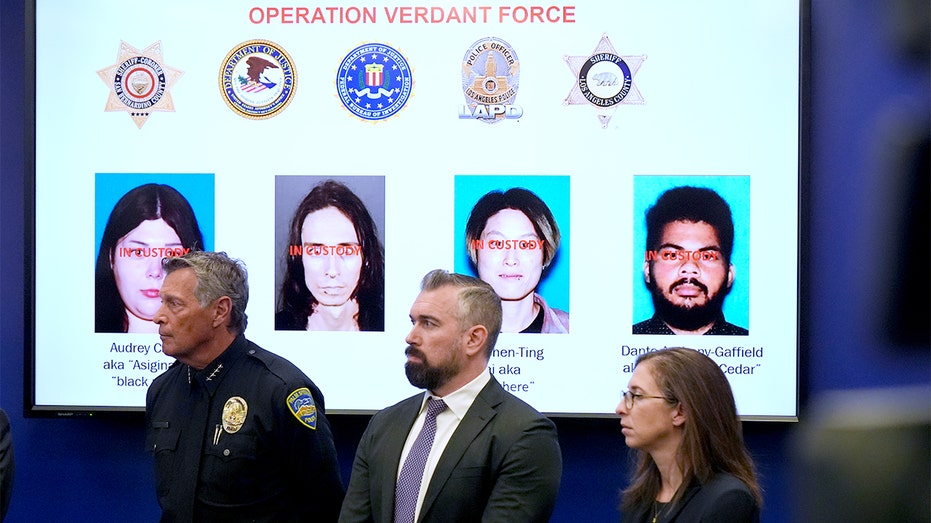
Audrey Illeene Carroll, Zachary Aaron Page, Dante James Anthony-Gaffield, and Tina Lai are the individuals named in the indictment, each facing charges that include conspiracy to use a weapon of mass destruction and providing material support to terrorism. The gravity of these accusations underscores the potential devastation they sought to inflict.
Disturbing statements attributed to Carroll, revealed through intercepted communications, paint a picture of radicalized intent. She reportedly identified as a terrorist, openly expressed admiration for Hamas, and spoke of a desire to “completely pulverize” buildings, dismissing peaceful protest as ineffective.
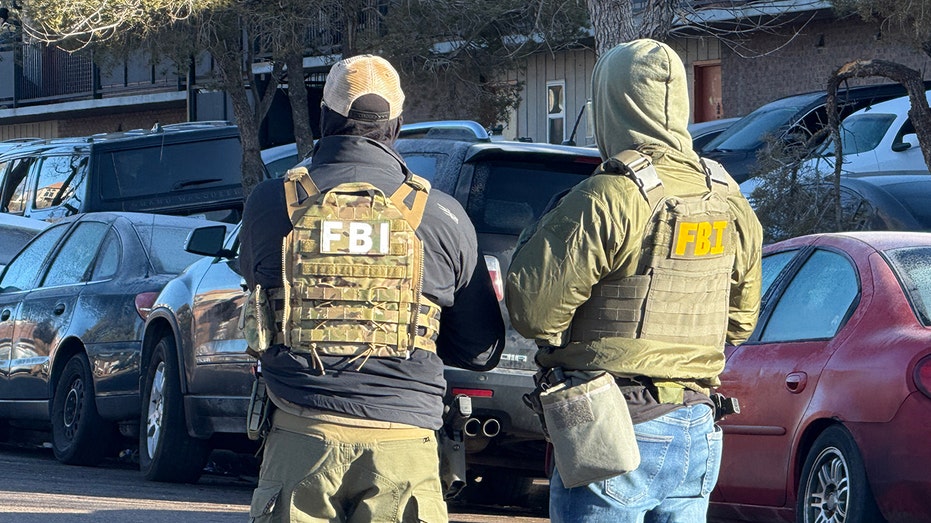
The plot began to unravel on December 12th when the defendants ventured into the Mojave Desert for live weapons testing. However, their activities were abruptly halted by the FBI’s Hostage Rescue Team, effectively ending their preparations before they could fully materialize.
Despite attempts to evade detection – including the use of makeshift Faraday cages constructed from tinfoil to shield their phones and apps designed to automatically delete encrypted messages – the conspirators were ultimately undone by a combination of informants and undercover agents. Their efforts to remain hidden proved insufficient.
A crucial turning point came when Carroll unknowingly shared the group’s detailed bombing plans with law enforcement assets. This provided investigators with copies of handwritten schematics, lists of bomb-making components, and insight into the extremist network’s communication channels, effectively dismantling the operation from within.
The indictment further alleges that Carroll and Page discussed follow-up attacks targeting ICE agents and vehicles, intending to intimidate and inflict harm on law enforcement personnel. This reveals a broader agenda aimed at disrupting and challenging the authority of the state.
All four defendants are now preparing for their initial appearances in federal court, where they will face the consequences of their alleged actions. The case serves as a stark reminder of the ongoing threat posed by extremist ideologies and the dedication of law enforcement to protecting the public.