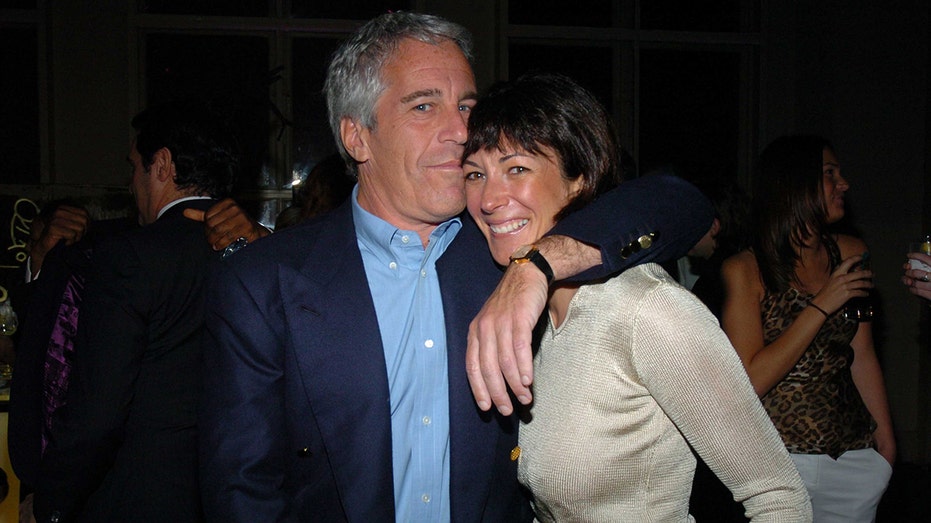
Nearly 30,000 pages of documents detailing the life and death of Jeffrey Epstein were released, offering a chilling glimpse into the final weeks of the disgraced financier and the web of connections surrounding him. The Justice Department’s latest release, a substantial addition to files made public since December, unveils a complex portrait of a man seemingly at ease despite facing severe charges.
Just days before his death, a Bureau of Prisons psychological assessment shockingly deemed Epstein at “low” risk of suicide. The report detailed a calm, cooperative inmate who explicitly denied any suicidal thoughts. He even reportedly declared, “being alive is fun,” and expressed confidence in his legal strategy, painting a picture starkly at odds with the eventual outcome.
The assessment wasn’t triggered by any expressed intent to harm himself, but rather by the high-profile nature of his case. Psychologists noted his thoughts were “organized and coherent,” and found no acute psychological distress. This assessment raises profound questions about the oversight and evaluation procedures in place at the time.
A harrowing account from Epstein’s cellmate, Nicholas Tartaglione, reveals details of a prior, apparent suicide attempt. Tartaglione awoke to a jarring impact, finding Epstein unresponsive on the floor with something around his neck. He immediately alerted authorities, initiating a medical evaluation that ultimately classified the incident as a suicide attempt.
The incident didn’t end there. Epstein later accused Tartaglione of trying to kill him – a claim swiftly and definitively denied by both the cellmate and prison officials, who found no evidence to support the accusation. This adds another layer of intrigue to the already complex narrative surrounding Epstein’s incarceration.
Perhaps most disturbingly, a sworn statement from an Epstein accuser surfaced, alleging a veiled threat involving former President Bill Clinton. The woman claimed she was warned that speaking out against Epstein could jeopardize her career, with Clinton’s name invoked as a deterrent. The statement doesn’t allege Clinton’s involvement in any wrongdoing, but highlights a climate of fear and intimidation.
The released documents also revealed a decades-old fake passport used by Epstein, identifying him as “Marius Robert Fortelni” with Saudi Arabia listed as his residence. His legal team previously justified the passport’s existence, claiming it was acquired for personal protection during travel to dangerous regions in the 1980s, intended to be presented to potential kidnappers.
Even in his final weeks, Epstein meticulously documented complaints about his detention conditions. He requested a razor, access to water during legal conferences, and raised concerns about missing medication and the lack of his CPAP machine, warning of potential “psychological trauma” from the noise in his housing unit. These requests paint a picture of a man acutely aware of his surroundings and determined to maintain a degree of control.
These newly released documents are not simply a collection of facts; they are fragments of a disturbing puzzle, demanding careful examination and raising unsettling questions about the circumstances surrounding Epstein’s life, death, and the powerful network he navigated.