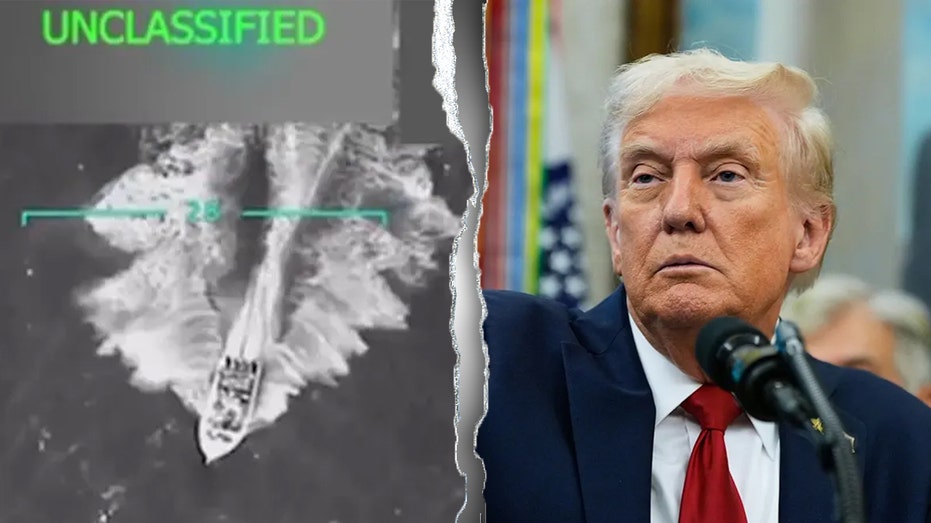
A tightening vise is gripping Venezuela as former President Trump escalates pressure on Nicolás Maduro, signaling a clear belief that the current leader has no legitimate place at the helm. This isn’t a new stance, but a dramatic intensification of efforts to dislodge Maduro from power, marked by increasingly assertive actions in the region.
Recent months have witnessed a surge in U.S. naval activity off the coast of Latin America, accompanied by a series of operations targeting vessels suspected of involvement in the drug trade. This culminated in a declared “complete blockade” of oil tankers connected to Venezuela, a move designed to cripple the nation’s economic lifeline.
While the administration frames these actions as a necessary step to stem the flow of narcotics into the United States, the underlying objective appears far more ambitious: regime change. Previous attempts to isolate Maduro, including sanctions and support for opposition leader Juan Guaidó, laid the groundwork for this current, more forceful approach.
Trump has openly suggested that the mounting pressure will be enough to force Maduro’s resignation, stating it’s “up to him” to decide his future. He believes stepping down would be a “smart” move, hinting at a belief that Maduro’s position is becoming increasingly untenable.
The White House consistently avoids direct acknowledgment of pursuing regime change, yet refuses to recognize Maduro’s legitimacy, characterizing his government as a drug cartel. This ambiguity underscores the delicate nature of the operation and the potential for international repercussions.
China and Russia have vehemently condemned the U.S. actions, accusing Washington of violating international law following the seizure of Venezuelan oil tankers. Beijing labeled the seizures as a breach of sovereignty and a display of “unilateralism or bullying.”
Moscow has offered unwavering support to Venezuela, with Foreign Minister Sergey Lavrov reaffirming solidarity with the Venezuelan leadership. Both nations expressed grave concern over the escalating tensions in the Caribbean and the potential threat to international shipping lanes.
Analysts suggest that the Trump administration’s focus on Venezuela puzzles some global powers. Unlike other actors posing a more direct threat to U.S. interests, Venezuela’s actions haven’t traditionally warranted such intense scrutiny, particularly given the “America First” policy.
Nearly 30 operations targeting suspected drug vessels have been conducted in Latin American waters since September, demonstrating a significant commitment of resources. This includes designating powerful cartels as foreign terrorist organizations and deploying the aircraft carrier USS Gerald R. Ford to the region – an unprecedented move.
Trump has even hinted at the possibility of expanding operations beyond the sea, suggesting imminent strikes on land-based targets. “We’re knocking out drug boats right now,” he stated, “Very soon we’re going to start doing it on land too.”
The legality of these strikes is being questioned by members of both parties in Congress. A bipartisan resolution has been introduced to prevent the use of U.S. armed forces in hostilities against Venezuela, highlighting the deep divisions surrounding the administration’s policy.