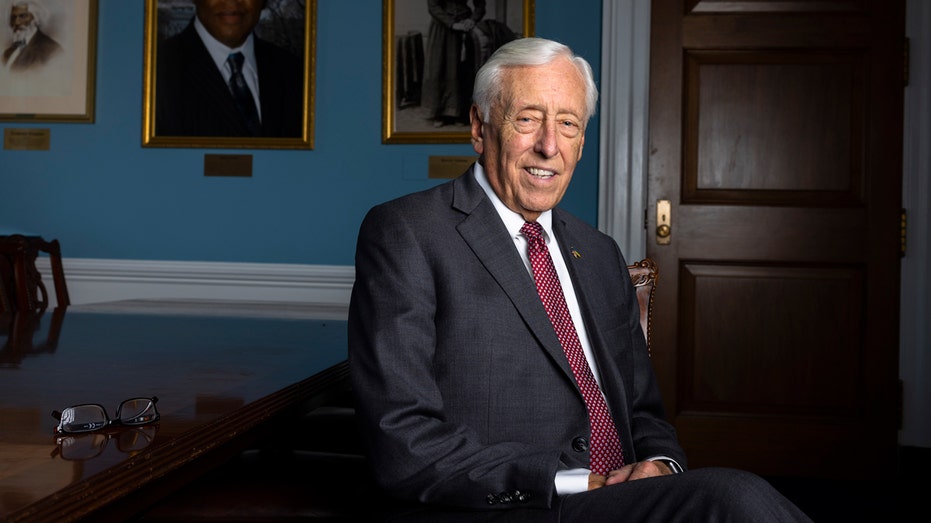
A political era is drawing to a close. Representative Steny Hoyer, a towering figure in the House of Representatives for over four decades, is poised to announce his retirement from Congress, a decision confirmed just hours before a planned address to his colleagues.
Hoyer, 86, has represented Maryland’s 5th congressional district since 1981, a region encompassing the affluent suburbs of Washington D.C. and the historic landscapes of southern Maryland. His departure marks the end of a remarkable career built on consensus and a deep understanding of legislative process.
The decision reportedly came during the recent holiday period, a time for reflection that led Hoyer to conclude it was time to pass the torch. He has indicated he won’t be rushing to endorse a successor, leaving the field open for a potentially vigorous Democratic primary battle.
Hoyer’s ascent through the ranks was swift and strategic. He didn’t simply occupy a seat in the House; he became a pivotal player, ultimately rising to the position of House Majority Leader – the second-highest ranking position within the Democratic caucus.
His leadership was instrumental during transformative periods in American politics. He played a crucial role in navigating the legislative landscape when Democrats regained control of the House in both 2006 and 2019, shaping the agenda and driving key initiatives forward.
Hoyer’s legacy is inextricably linked to landmark legislation, most notably the Affordable Care Act. During Barack Obama’s presidency, he was a key architect and advocate for the healthcare reforms that reshaped the American healthcare system.
His retirement creates a rare opportunity in a reliably Democratic district, setting the stage for a competitive scramble among aspiring politicians eager to fill the void left by a seasoned and respected lawmaker. The coming months will reveal who will attempt to carry on his considerable influence.
For over four decades, Steny Hoyer has been a constant presence in the halls of Congress. His departure signifies not just the end of a career, but the closing of a chapter in American political history.