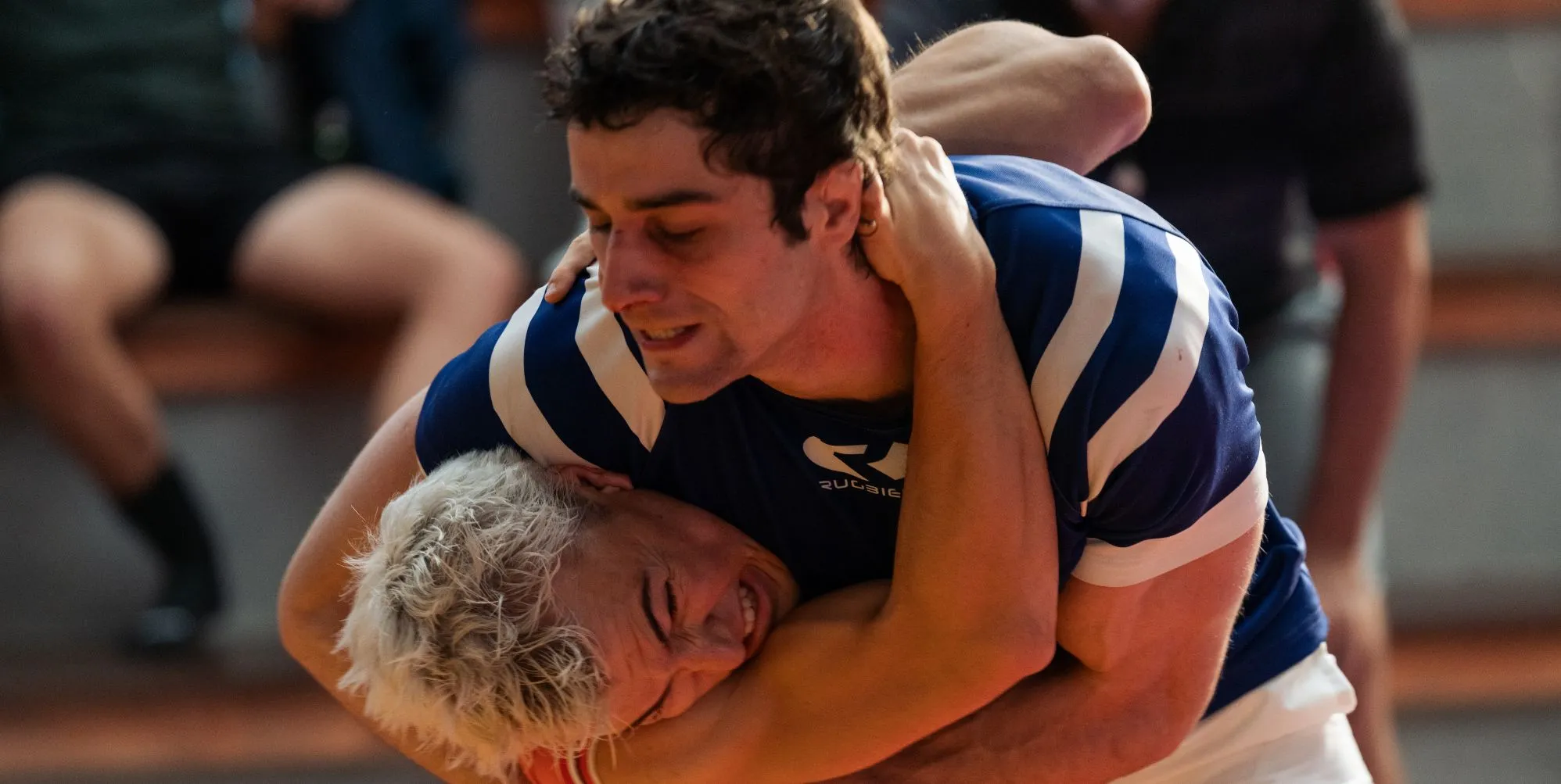
A fierce rivalry ignited, and with it, a conversation. Not just about hockey, but about the raw, undeniable power of intimacy depicted on screen. The show, “Heated Rivalry,” quickly became a phenomenon, fueled by its boldly explicit scenes, but its impact extends far beyond mere sensationalism.
The phrase “sex sells” feels almost literally true within the world of the show, even manifesting as matching tattoos on its stars. Hudson Williams and Connor Storrie brought to life a story that tapped into a fervent online fandom, with each episode escalating the discussion surrounding queer sexuality and its portrayal in media.
At a moment when depictions of sex are increasingly debated, “Heated Rivalry” arrived as a defiant statement. While some argue for less romance and intimacy on screen, deeming it gratuitous, the show presented a stark contrast, boldly exploring the hidden lives of closeted athletes.

Ironically, this debate unfolded against a backdrop of diminishing queer representation on television. Reports revealed a concerning trend: despite a slight increase in LGBTQ+ characters, a significant percentage were facing cancellation and disappearing from our screens. “Heated Rivalry” emerged at a crucial intersection, a queer drama unapologetically showcasing gay sex as integral to its narrative.
The series, helmed by Jacob Tierney – known for his work on “Letterkenny” and collaborations with Xavier Dolan – draws from Rachel Reid’s “Game Changers” novels. It centers on Shane Hollander, a Canadian hockey rookie, and Ilya Rozanov, his brooding Russian rival, as their competitive animosity transforms into a clandestine, passionate affair.
Hotel rooms became secret sanctuaries, a dangerous playground where ambition and desire collided. The stakes were impossibly high; exposure would shatter their careers. This shared secret, this forbidden intimacy, bound them together long before their bodies even touched.
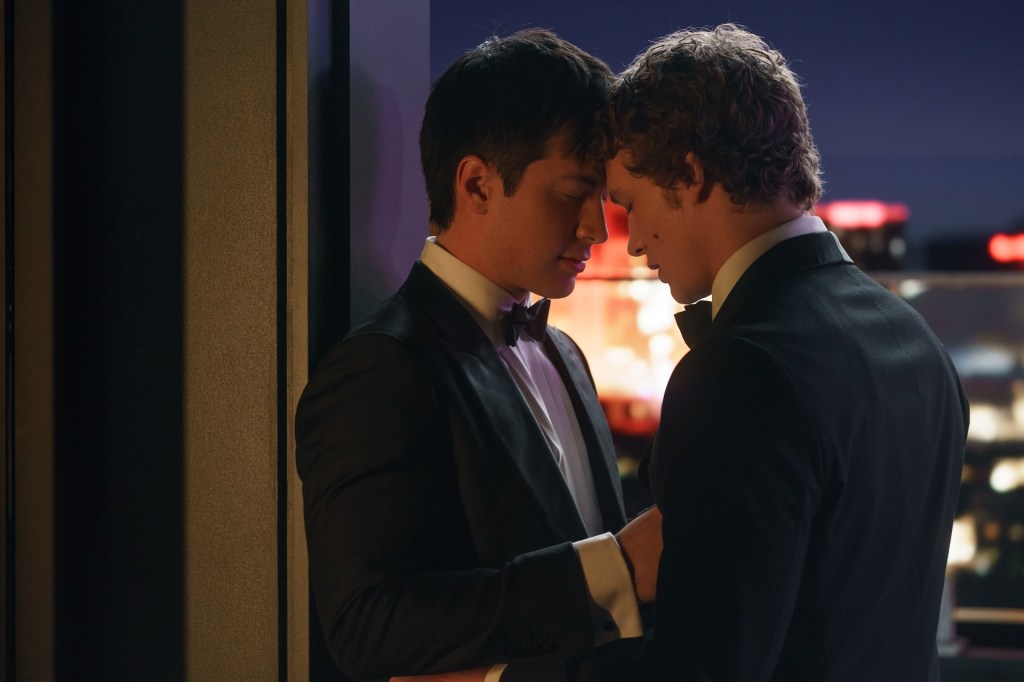
Tierney masterfully frames the show’s sex scenes not as spectacle, but as dialogue. The communication between the reserved Canadian and the enigmatic Russian begins with physical desire, a language spoken through touch and exploration. Their athleticism translates into a potent physicality, a mutual understanding of strength and vulnerability.
What starts as a thrilling, transactional exchange – a way to experience pleasure with their greatest rival – evolves into something far more profound. They are high-performance athletes, accustomed to victory, yet they crave a connection that hockey simply cannot provide, a longing for each other that transcends the game.
The show doesn’t shy away from the physicality, but it’s presented with artistry and restraint. Clever camerawork hints at intimacy, focusing on reactions and building tension. The editing, a seamless blend of intense hockey action and passionate encounters, elevates the scenes to an almost visceral level.
As the series progresses, the physical attraction gives way to something far more dangerous: yearning. The simmering desire between Shane and Ilya, always present beneath the surface, blossoms in stolen moments, transforming dimly lit hotel rooms into intimate havens and eventually spilling into the light of day.
It’s through the sex scenes, and the undeniable chemistry between Williams and Storrie, that their intimacy becomes truly devastating. The physical act becomes inextricably linked to emotional vulnerability, forcing them to confront feelings they’ve long suppressed.
“Heated Rivalry” isn’t simply about sex; it’s a case study demonstrating that explicit content doesn’t necessarily repel audiences. While not the first to explore queer intimacy on screen – alongside shows like “Interview With the Vampire” and “Fellow Travelers” – its unapologetic approach and its framing of sex as a form of communication set it apart.
The show’s success isn’t revolutionary, but its willingness to embrace sex as a natural and integral part of a queer relationship feels remarkably fresh in a landscape often dominated by sanitized portrayals. It’s a bold, evocative, and ultimately, deeply human story.