The year 2025 fractured the illusion of safety in small-town America. From the rolling hills of Mississippi to the rugged mountains of Montana, a wave of inexplicable violence shattered peaceful communities, leaving residents reeling and questioning the very fabric of their lives.
In the quiet beauty of Devil’s Den State Park in Arkansas, a family’s dream of a fresh start turned into a nightmare. Clinton and Cristen Brink, parents of three young girls, sought solace and connection with nature on a July hike. They were brutally murdered, their lives extinguished in a seemingly random act of violence that stunned those who knew them as gentle, devoted parents.
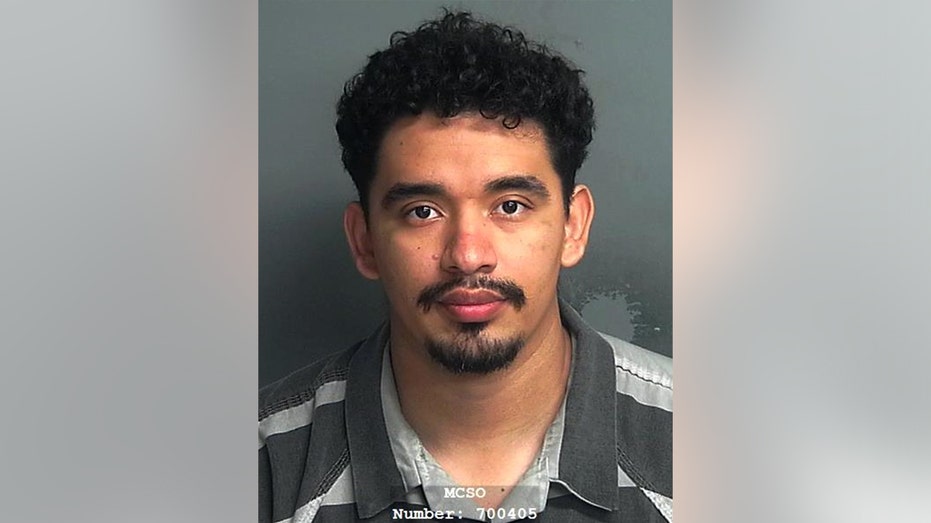
The arrest of Andrew James McGann offered little comfort. Investigators found no discernible motive, only the chilling reality that evil can invade even the most idyllic settings. A friend of the Brinks, reflecting on the tragedy, simply stated, “It’s pure evil.”
Just months later, the homecoming festivities in Leland, Mississippi, were ripped apart by gunfire. The joyous celebration following a football game descended into chaos, leaving six dead and nineteen wounded. A personal dispute, authorities believe, ignited the bloodshed, but the underlying pain and loss resonated far beyond the immediate victims.
The small town, population 3,700, was left heartbroken. Mayor John Lee, struggling to comprehend the horror, declared, “This is not who we are as a community.” Yet, the violence had irrevocably altered their sense of security and belonging.
In Anaconda, Montana, a historic mining town, the familiar comfort of The Owl Bar was shattered by a senseless act of rage. Michael Paul Brown, a veteran and longtime resident, opened fire on patrons, claiming the lives of four regulars and the beloved bartender. The attack wasn’t the act of a stranger, but someone known within the community, deepening the sense of betrayal and fear.
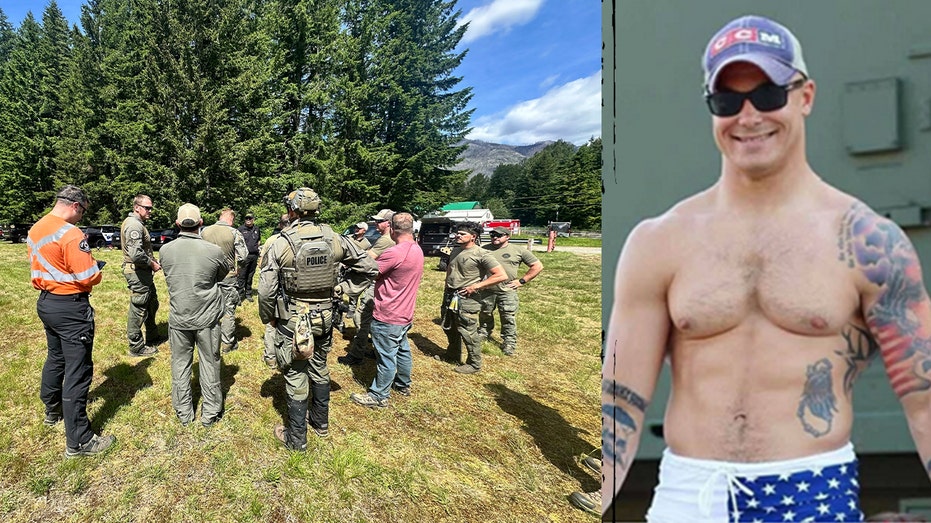
A weeklong manhunt ensued, mobilizing a massive force of law enforcement across unforgiving terrain. Helicopters scanned the landscape, and ground teams relentlessly pursued Brown, while a palpable fear gripped the town. “Everybody’s on edge,” one bartender confessed, capturing the collective anxiety that had descended upon Anaconda.
The capture of Brown brought a temporary reprieve, but the wounds remained. Montana’s Attorney General labeled the killings “cold-blooded,” a stark acknowledgment of the brutality that had unfolded in their once-peaceful town.
The darkness extended to the wilderness of Washington state. Travis Decker, a military veteran struggling with mental health, vanished with his three young daughters after a court-ordered visit. Days later, their bodies were discovered at a campground, bound and suffocated – a horrific act of desperation and control.
A grueling search culminated in the discovery of Decker’s remains on Grindstone Mountain, a haunting echo of the family tragedy. The Sheriff, speaking with solemn resolve, vowed to “show honor” to the girls and ensure they were not forgotten. Court records revealed a history of concerns regarding Decker’s stability, a warning tragically unheeded.
These incidents, scattered across the American landscape, weren’t isolated events. They exposed a disturbing undercurrent of unresolved conflicts, untreated mental illness, and the ever-present threat of domestic violence lurking beneath the surface of small-town life. The year 2025 served as a chilling reminder that peace can be fragile, and that even the most close-knit communities are vulnerable to unimaginable tragedy.