The political landscape shifted dramatically in the recent elections. What once seemed a crippling weakness for Democrats – the state of the economy – unexpectedly became a powerful engine for their victories.
A year after anxieties over inflation contributed to Republican gains, Democrats experienced a surge in support. This wasn’t a subtle shift; it was a resounding response at the ballot box, fueled by a relentless focus on affordability.
Candidates like Mikie Sherrill in New Jersey and Abigail Spanberger in Virginia defied expectations, securing decisive wins by consistently hammering home the economic concerns of their constituents. They understood the urgency of the issue and spoke to it constantly.
The impact extended beyond established figures. In a stunning upset, Zohran Mamdani rose from longshot status to win the mayoral race in New York City, centering his entire campaign on the rising cost of living.
Democrats are now determined to capitalize on this momentum. They plan to double down on affordability as they aim to regain control of Congress in the upcoming midterm elections, framing the issue as a core promise to voters.
The strategy is clear: hold Republicans accountable for unfulfilled promises to lower costs. The narrative is that previous pledges have fallen flat, leaving families struggling with persistent financial strain.
However, Republicans offer a starkly different assessment. They argue that the current economic challenges are a direct result of the previous administration’s policies, and that they are actively working to correct course under the current president.
The current president insists he inherited a broken system and is actively “fixing it,” pointing to recent government reports showing positive trends in inflation and economic growth as evidence of progress.
Despite these optimistic indicators, public sentiment remains largely negative. A recent poll revealed that three-quarters of voters view the economy unfavorably, and a significant number report rising costs for essential goods and services.
Interestingly, the poll indicated voters are more likely to blame the current president than his predecessor for the economic situation, a troubling sign for the administration. Approval ratings regarding economic performance have also reached record lows.
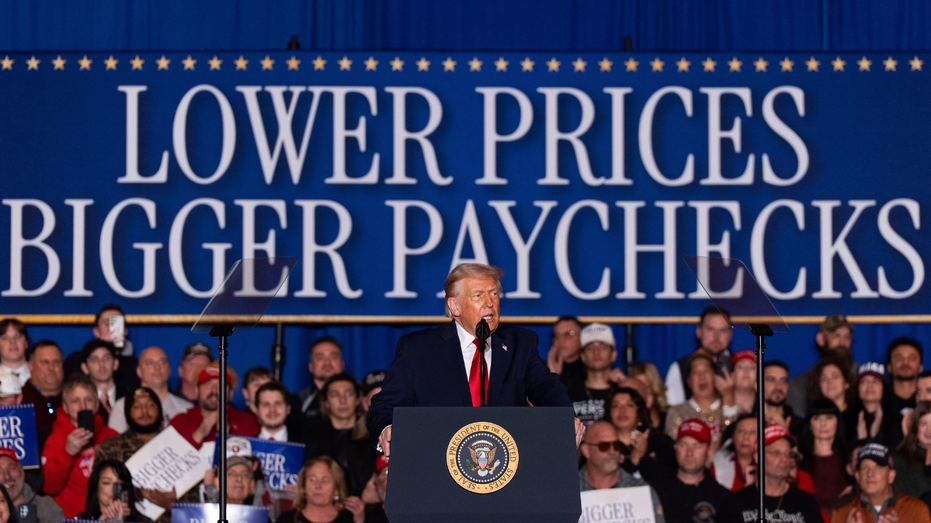
While dismissing the Democratic focus on affordability as a “hoax,” the current president has begun to address high prices directly, scaling back some tariffs and pledging to lower food costs, particularly in key battleground states.
Republicans believe brighter days are ahead, citing recent tax cuts and anticipating a positive impact on the economy as the president’s policies take effect. They envision a future where voters experience tangible economic relief.
Democrats, however, paint a different picture, accusing Republicans of deliberately damaging the economy and creating unnecessary chaos. They believe the current administration is failing to address the real concerns of working families.
The DNC chair confidently predicts a future ballot box defeat for the opposing party, asserting that they have “lost the economy, are losing their mind, and are going to lose the midterms.” The battle for economic narrative has begun, and the stakes are incredibly high.