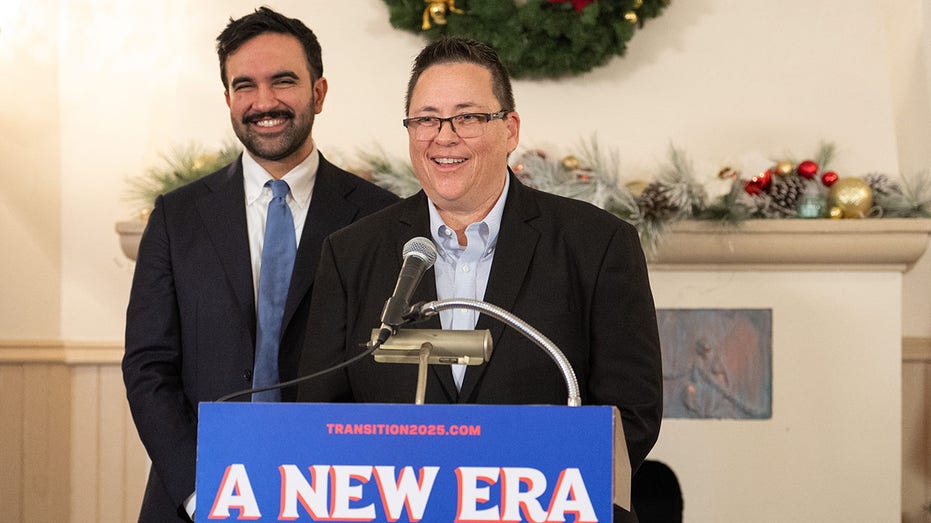
A suspended Texas judge, facing serious felony charges, has made a startling decision: she’s running for reelection. Rochelle Lozano Camacho, indicted in a sprawling vote-harvesting case, filed paperwork to reclaim her position as Frio County judge, even as she remains barred from office without pay.
The move is technically legal, a loophole in Texas election law, but it throws a stark challenge into the heart of the upcoming primaries. Camacho’s next court appearance isn’t until *after* voters have already cast their ballots, forcing citizens to potentially render judgment before all the facts are revealed.
This isn’t a case of isolated errors. It’s the epicenter of a two-year investigation spearheaded by the state, resulting in fifteen criminal indictments. The accusations paint a disturbing picture: a coordinated effort to exploit vulnerable voters, particularly the elderly and those using mail-in ballots.

The investigation quickly expanded, ensnaring city council members, school board officials, county commissioners, and even a former elections administrator. Among those also indicted were prominent Democratic figures, including a former county party chair and a current candidate for the Texas House.
Prosecutors allege a systematic scheme where political operatives offered “assistance” to voters, then illegally took possession of their ballots. In some instances, payments were exchanged through electronic apps, effectively buying votes or access to sensitive voter information. These actions represent serious breaches of the chain of custody, carrying potential penalties of up to ten years in prison.
The timing of Camacho’s reelection bid is undeniably strategic. By forcing voters to decide before the legal process unfolds, she’s attempting to leverage the ballot box as a shield against potential consequences. It’s a calculated gamble that raises profound questions about accountability.
What’s equally striking is the relative silence from prominent Democrats. For years, the party has maintained that voter fraud is a negligible issue in Texas. Yet, this single investigation in a rural county has exposed a network of alleged wrongdoing involving numerous elected officials and political operatives.
The integrity of mail-in voting hinges on trust – trust that ballots will reach their destination unaltered and uncompromised. When those entrusted with administering elections are accused of subversion, the very foundation of the process is shaken. This case isn’t about partisan politics; it’s about the fundamental principle of consequence.
Camacho’s candidacy sends a dangerous message: that criminal indictment and suspension from office are merely hurdles to be navigated, not barriers to holding power. It exposes a critical weakness in election law, a lack of safeguards to prevent those facing serious charges from seeking to retain their positions.
Frio County now finds itself at a crossroads. The outcome of this election will determine whether Texas truly prioritizes election integrity, or if it’s simply a matter of rhetoric. The question is clear: will the law carry weight when violated by those in positions of authority?