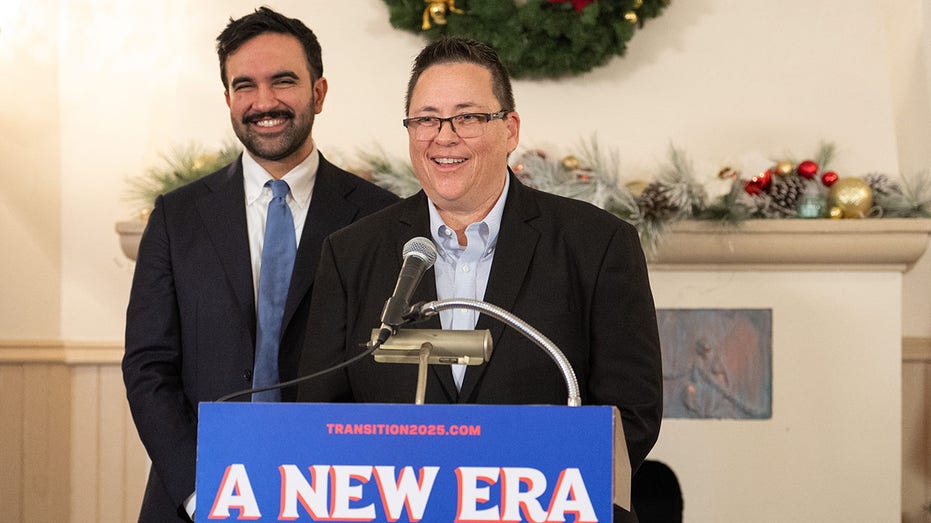
A controversial appointment in New York City has ignited a fierce debate, centering on the qualifications of the incoming Fire Department commissioner. Lillian Bonsignore, chosen by Zohran Mamdani, is set to lead the FDNY despite lacking prior experience as a firefighter.
The focus of much of the initial coverage wasn’t on Bonsignore’s experience, but on her identity. She will be the city’s first openly gay commissioner, a fact celebrated by many as a landmark moment for representation. This emphasis on “firsts” has drawn sharp criticism from those who believe qualifications should be paramount.
Elon Musk didn’t mince words, stating bluntly that the decision could have deadly consequences. “People will die because of this,” he wrote, emphasizing the critical importance of proven experience when lives are on the line. His statement reflects a deep concern about prioritizing identity over competence in a high-stakes profession.

Bonsignore brings 31 years of service with the FDNY, primarily in EMS operations, including a leadership role during the COVID-19 pandemic. Supporters highlight her crisis leadership and operational expertise as valuable assets. However, critics argue that managing emergency medical services is fundamentally different from commanding firefighting operations.
The appointment has stirred up memories of past leadership failures during critical events, with social media users sharing examples of situations where perceived inexperience led to disastrous outcomes. These comparisons fuel anxieties about the potential risks associated with placing someone without firefighting experience at the helm of the FDNY.
The debate underscores a growing tension surrounding diversity initiatives and the potential for prioritizing identity over essential qualifications. While representation is widely considered important, the question remains: at what cost, and when does it compromise public safety?

The core of the issue isn’t about opposing progress, but about the inherent dangers of a role where every second, every decision, can mean the difference between life and death. The FDNY commissioner’s position demands a specific skillset honed through years of practical, operational experience.
This situation highlights a broader concern about the increasing influence of identity politics and the potential for overlooking crucial qualifications in the pursuit of representation. The focus on “firsts” risks overshadowing the fundamental requirements for effective leadership in critical roles.