I remember a time before the endless scroll. Growing up in my 40s, I witnessed the birth of the internet, the fleeting promise of Web 2.0, and then the relentless takeover of platforms like MySpace – a ghost of its former glory now – replaced by the constant churn of Twitter, Instagram, and countless others.
Currently, I navigate Facebook, Instagram, and Threads, though a brief flirtation with Bluesky fizzled quickly. I linger on X, but with a growing sense of unease, constantly questioning whether to sever ties completely. I’ve attempted damage control, making the platform *tolerable*, but newer apps like Snapchat and TikTok feel distant, belonging to a different generation. Though I resist, Reels have become unavoidable, slipping into my periphery.
The freedom of a home office allows for extensive social media use, and I’ve found myself increasingly succumbing to its pull. It’s a habit I actively dislike, a default behavior whenever a spare moment appears. The constant stream of information – and misinformation – felt corrosive, subtly eroding my focus. Driven by this unease, I decided on a radical experiment: a full week disconnected, to observe the impact.
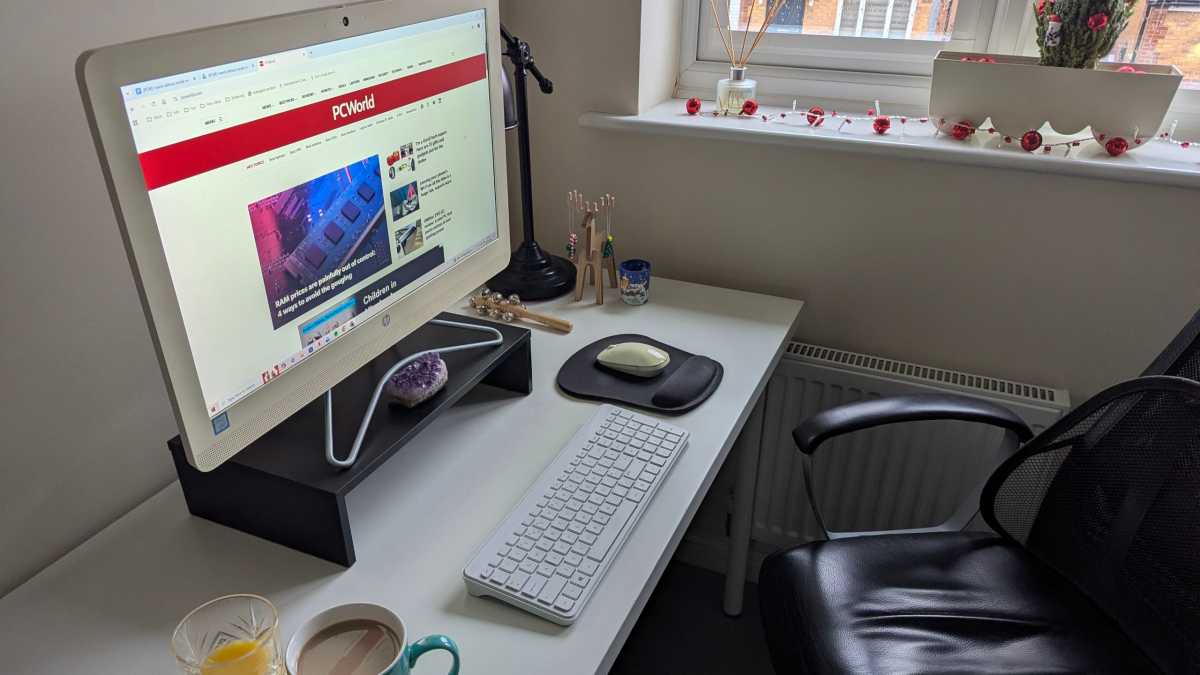
The change was immediate. Productivity surged on day one. Suddenly, time expanded, leaving me momentarily disoriented during my morning coffee. My usual reflex – to scan feeds for updates – was gone. Instead, I tentatively explored news websites, but found them surprisingly dull. The solution? I simply began working, diving into tasks with a newfound clarity.
The absence of constant digital noise felt liberating. It was as if a weight had been lifted, allowing my mind to focus on meaningful work. Tasks that once felt daunting were completed swiftly and efficiently. I finished my day earlier, feeling a sense of accomplishment I hadn’t experienced in a long time.
The reclaimed hours weren’t solely dedicated to work. I rediscovered the simple pleasure of walking. While I already prioritized daily walks, the extra time allowed for longer, more immersive experiences. It was a conscious shift – trading mindless scrolling for a revitalizing activity that nourished both body and mind. And predictably, returning home from these walks, I found my productivity further enhanced.

Sleep, a long-elusive friend, returned with surprising force. I’d read countless studies linking pre-bedtime screen time to poor sleep quality, but habitually succumbed to the lure of social media until the moment I closed my eyes. This time, I resolved to leave my phone aside. The result? I fell asleep faster, slept more deeply, and awoke feeling genuinely rested and refreshed.
This improvement continued throughout the week, solidifying into a new habit. Even now, back on social media, my phone remains banished from the bedroom. It was a difficult lesson, but one I wholeheartedly recommend.
Perhaps the most profound change was in my mood. The prevailing negativity on social media had become overwhelming – a relentless barrage of clickbait and discontent. Looking back, I realize this constant exposure was subtly poisoning my outlook. After just a few days offline, I noticed a distinct lifting of my spirits.
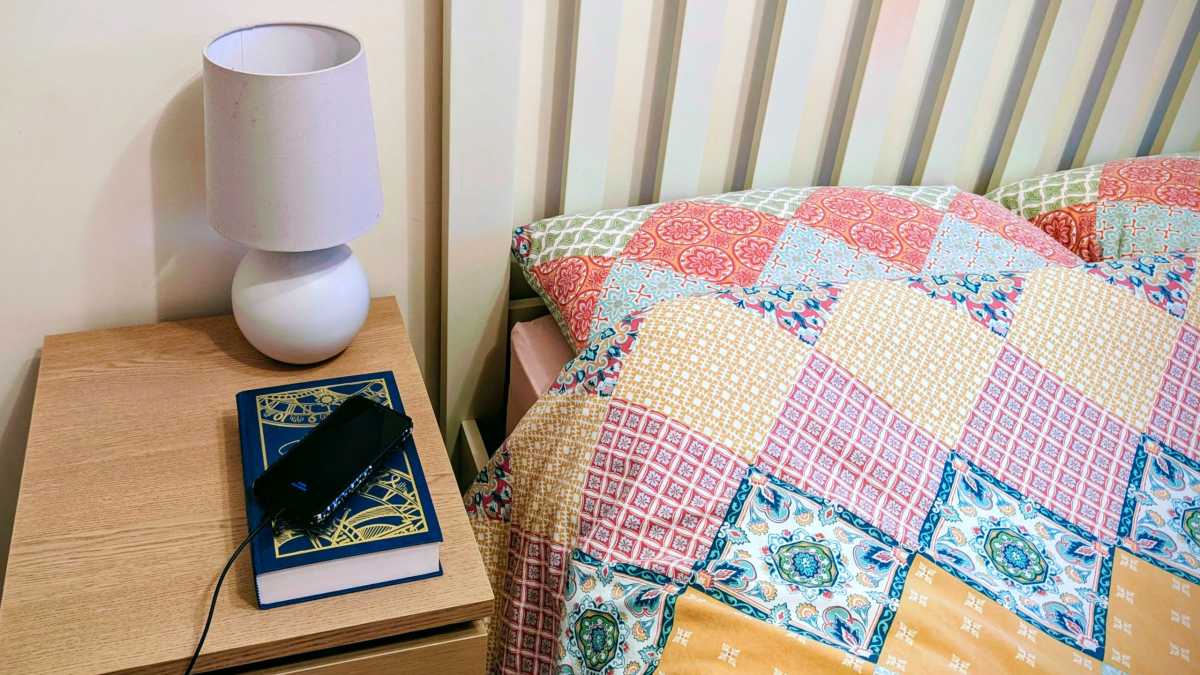
It became clear that I had been absorbing the negativity, allowing it to shape my mindset. Removing that toxic influence unleashed a wave of positivity. I genuinely felt happier, more optimistic, and more engaged with the world around me.
The experiment was a resounding success. I’m grateful for the time away, and it’s an experience I may repeat if old habits resurface. My relationship with social media has subtly shifted. I no longer instinctively reach for my phone upon waking, or before sleep. I’m more discerning about the content I consume, actively avoiding the negativity that once dominated my feeds.
If you find yourself feeling trapped in a cycle of digital discontent, I urge you to consider a social media detox. It might just be the reset you need to rediscover a sense of peace, focus, and genuine well-being.