A historical doctrine, long thought dormant, is stirring once more in the halls of power. The Monroe Doctrine, a cornerstone of American foreign policy for nearly two centuries, is being actively revived, signaling a dramatic shift in how the United States views its role in the Western Hemisphere.
The original doctrine, proclaimed in 1823 by President James Monroe, warned European powers against further colonization or interference in the Americas. It was a bold statement, asserting the region as within the sphere of U.S. influence. Over time, it evolved, sometimes justifying intervention and shaping a complex relationship with Latin American nations.
For a period, the doctrine appeared to be fading into historical relevance. Just over a decade ago, a high-ranking official publicly declared the era of the Monroe Doctrine to be over, advocating for a relationship built on equality and partnership rather than intervention. This vision prioritized cooperation and mutual respect.
However, a new administration has fundamentally altered this course. A renewed focus on protecting the U.S. homeland, particularly stemming the flow of illicit drugs, has driven a deliberate re-evaluation of the region’s strategic importance. This shift is now formalized in a recently released National Security Strategy.
The strategy explicitly calls for a reassertion of American influence, framing it as a necessary step to safeguard national interests. This isn’t simply a return to the past, but a reimagining – dubbed the “Trump Corollary” – building upon the foundations of the original doctrine.
This new approach involves a more assertive stance against perceived threats, including the designation of powerful drug cartels as foreign terrorist organizations. These groups, responsible for a devastating influx of narcotics, are now targeted with increased pressure and direct action.
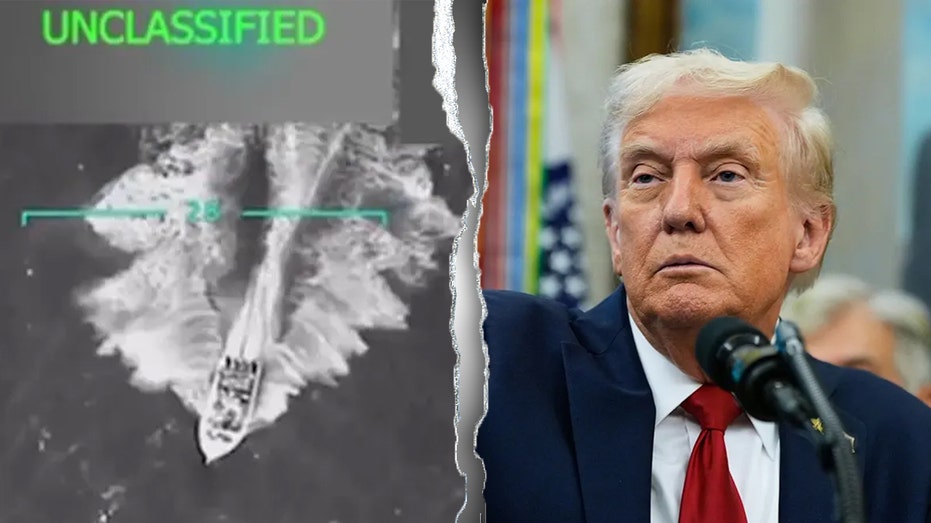
Recent actions have included strikes against suspected drug-smuggling vessels in Latin American waters, and the designation of a foreign regime as a terrorist organization, accused of financing criminal activity. These moves are intended to disrupt the flow of drugs and dismantle the networks that enable them.
These assertive actions, however, have not been without controversy. Concerns have been raised regarding the legality and potential consequences of these operations, sparking debate among lawmakers on both sides of the political spectrum. Some are seeking to limit the administration’s authority to engage in such actions.
The revival of the Monroe Doctrine represents a significant turning point in U.S. foreign policy, signaling a renewed commitment to asserting American influence in its own hemisphere. It’s a move steeped in history, driven by contemporary concerns, and poised to reshape the dynamics of the Americas for years to come.