A chilling escalation has unfolded in the conflict. Ukrainian forces reportedly launched a direct strike targeting a residence associated with Vladimir Putin, a move signaling a dramatic shift in the operational landscape.
The audacity of the attack has sent ripples through Moscow, prompting immediate and stern reactions from Russian officials. While details remain shrouded in secrecy, the symbolic weight of targeting the Russian leader’s property is undeniable.
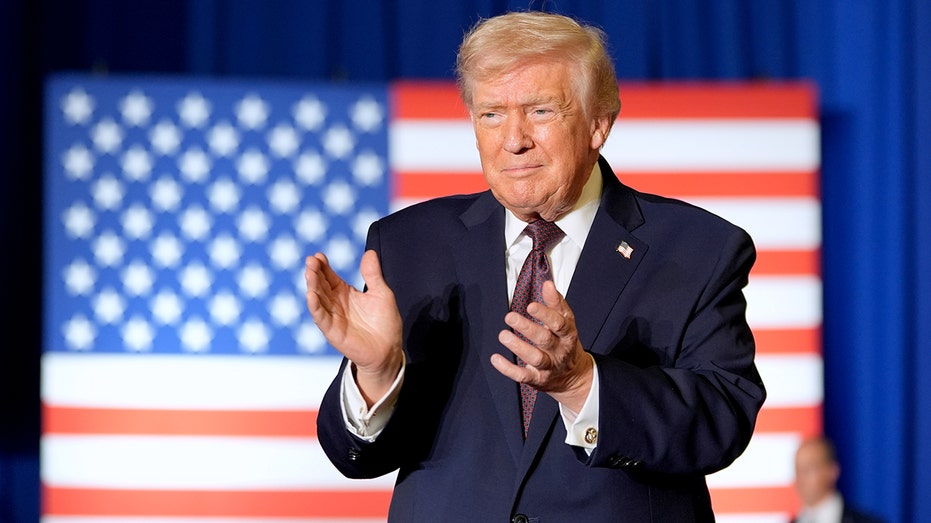
Simultaneously, whispers of a potential peace agreement are gaining traction, fueled by surprising concurrence between Russian authorities and former U.S. President Donald Trump. Both suggest negotiations are entering their “final stages,” hinting at a possible resolution to the protracted conflict.

This convergence of events – a bold offensive strike coupled with optimistic, albeit cautious, talk of peace – presents a complex and volatile situation. The attack on Putin’s residence is widely expected to harden Russia’s resolve, potentially complicating any diplomatic efforts.
Russian officials, echoing Trump’s assessment, believe the terms of a deal are nearing completion. However, the specifics remain elusive, and skepticism abounds regarding the feasibility and durability of any agreement reached under such fraught circumstances.
The timing is critical. The Ukrainian strike appears to be a calculated gamble, intended to demonstrate resolve and potentially force concessions at the negotiating table. Whether it will achieve that goal, or instead trigger a further escalation, remains to be seen.
The world watches with bated breath, aware that the coming days could determine the trajectory of this conflict for years to come. The delicate balance between aggression and diplomacy has never been more precarious.