A devastating blow fell upon the Philippine hog industry in 2019 with the arrival of African Swine Fever (ASF). The outbreak decimated herds, plunging the national swine population from a robust 13 million to a concerning 8 million.
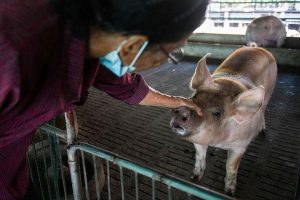
Now, a large-scale initiative is underway to rebuild what was lost. The Department of Agriculture has announced a plan to distribute over 230,000 breeder sows across the country between now and 2028, aiming not just to recover lost numbers, but to surpass them.
The program will begin in 2026 with an initial distribution of 32,000 sows. This will be followed by an ambitious plan to deliver 100,000 breeder sows each year in 2027 and 2028, a concerted effort to rapidly revitalize the industry.
The initial focus will be on medium and large farms, chosen for their established financial stability and resources to effectively manage a significant number of breeding animals. These farms are equipped to provide the necessary care and infrastructure for success.
However, this isn’t simply a handout. A key component of the repopulation strategy involves a reciprocal agreement. Large farms receiving sows will be required to return 30% of the piglets produced back to the government.
These returned piglets will then be redistributed to smallholder farms, ensuring that the benefits of the program reach all levels of the industry and empower smaller producers to rebuild their livelihoods. It’s a cascading effect designed for broad impact.
The Department of Agriculture is currently in the pre-procurement phase for the first 32,000 sows, with a target distribution date set for the second quarter of 2026. The goal is ambitious: to restore the five million hogs lost to ASF, and ultimately, to exceed pre-outbreak levels by adding another million.
To safeguard the rebuilt herds, all distributed breeder sows will be vaccinated against ASF. This proactive measure is crucial in preventing a recurrence of the devastating losses experienced in recent years.
The substantial funding for this repopulation drive will come from the Animal Competitiveness Enhancement Fund, a dedicated resource generated from tariff collections on livestock, poultry, and dairy imports. Approximately 26% of the fund, with a significant portion directed towards the hog industry, will fuel this vital program.
Alongside the sow distribution, a vaccination campaign is already underway. Around 260,000 doses of the 500,000 ASF vaccines procured have been administered, with the remaining doses expected to be utilized by April of next year.
While government subsidies for ASF vaccines will be phased out for commercial hog raisers, the possibility of continued support for smallholder farmers remains open, contingent on future needs and assessments. The focus is shifting towards industry self-sufficiency.