A recent cable news appearance sparked intense debate, centering on a complex fraud case unfolding in Minnesota. New York Times columnist Mara Gay offered her perspective on the unfolding scandal during an interview, immediately drawing criticism for her interpretation of events.
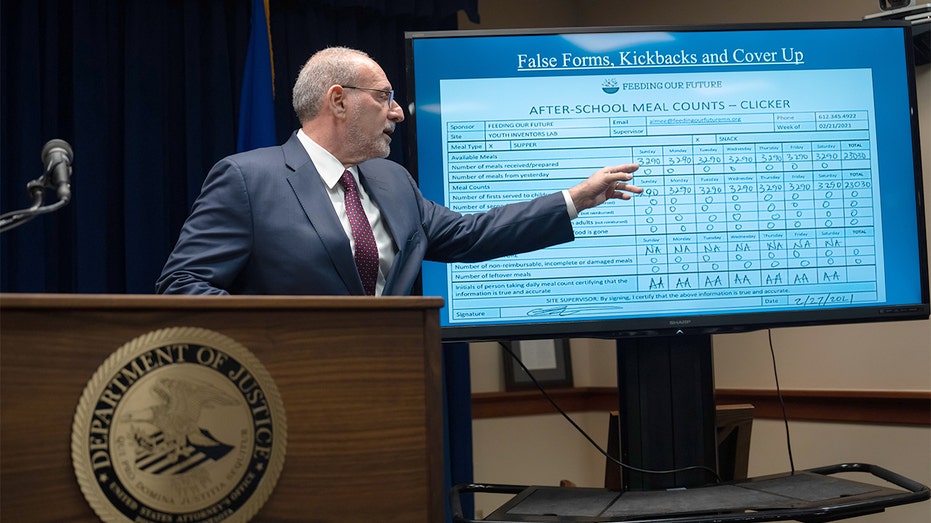
The case involves alleged widespread fraud related to funds intended to support food programs and prevent homelessness during the COVID-19 pandemic. While acknowledging the need for a thorough investigation regardless of political affiliation, Gay framed the intense scrutiny surrounding the case as a deliberate distraction.
She suggested the focus on the Minnesota fraud was a politically motivated tactic, fueled by a perceived “weaponization” of the Department of Justice and the FBI. This assertion raised eyebrows, as critics questioned the connection between the investigation and broader political agendas.

During the discussion, Gay voiced concerns about the reliability of federal agencies, implying their impartiality was compromised. She posited that the American public had legitimate reason to question the trustworthiness of these institutions, a sentiment that ignited further controversy.
Adding another layer to the debate, Gay asserted that the Somali community involved in the case was being unfairly “scapegoated” to serve the interests of the far-right. This claim drew immediate backlash, with many accusing her of injecting identity politics into a matter of alleged criminal activity.
The core of the disagreement lies in the interpretation of motives. Critics argue that focusing on the alleged fraud is a legitimate pursuit of accountability, while Gay and others see it as a calculated effort to deflect attention from other issues and demonize a specific community.
The incident highlights a growing divide in how alleged wrongdoing is perceived and discussed, particularly when it intersects with political narratives and social sensitivities. It underscores the challenge of navigating complex issues in an increasingly polarized environment.
The exchange quickly circulated online, becoming a focal point for those questioning the motivations behind media coverage and political commentary. It fueled a broader conversation about the role of bias and perspective in shaping public understanding of critical events.