As the year draws to a close, it’s a natural time for reflection. Toronto City Hall recently released a celebratory account of its 2025 achievements – from transit improvements to economic boosts and preparations for the World Cup. But a year in a sprawling metropolis like Toronto is complex, and a closer look reveals a narrative often at odds with the official version.
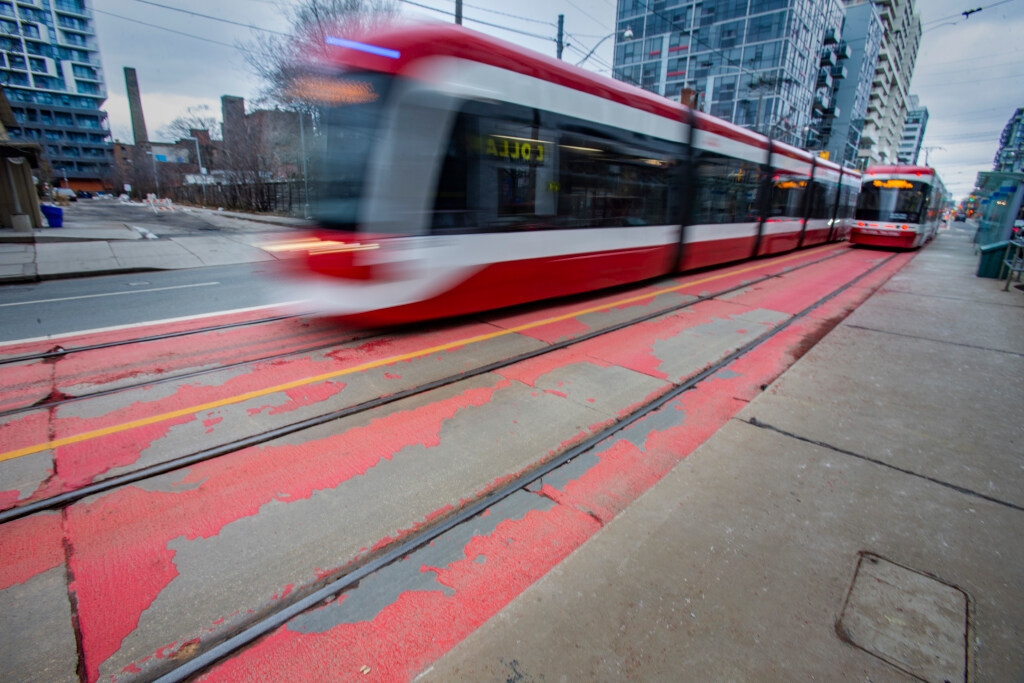
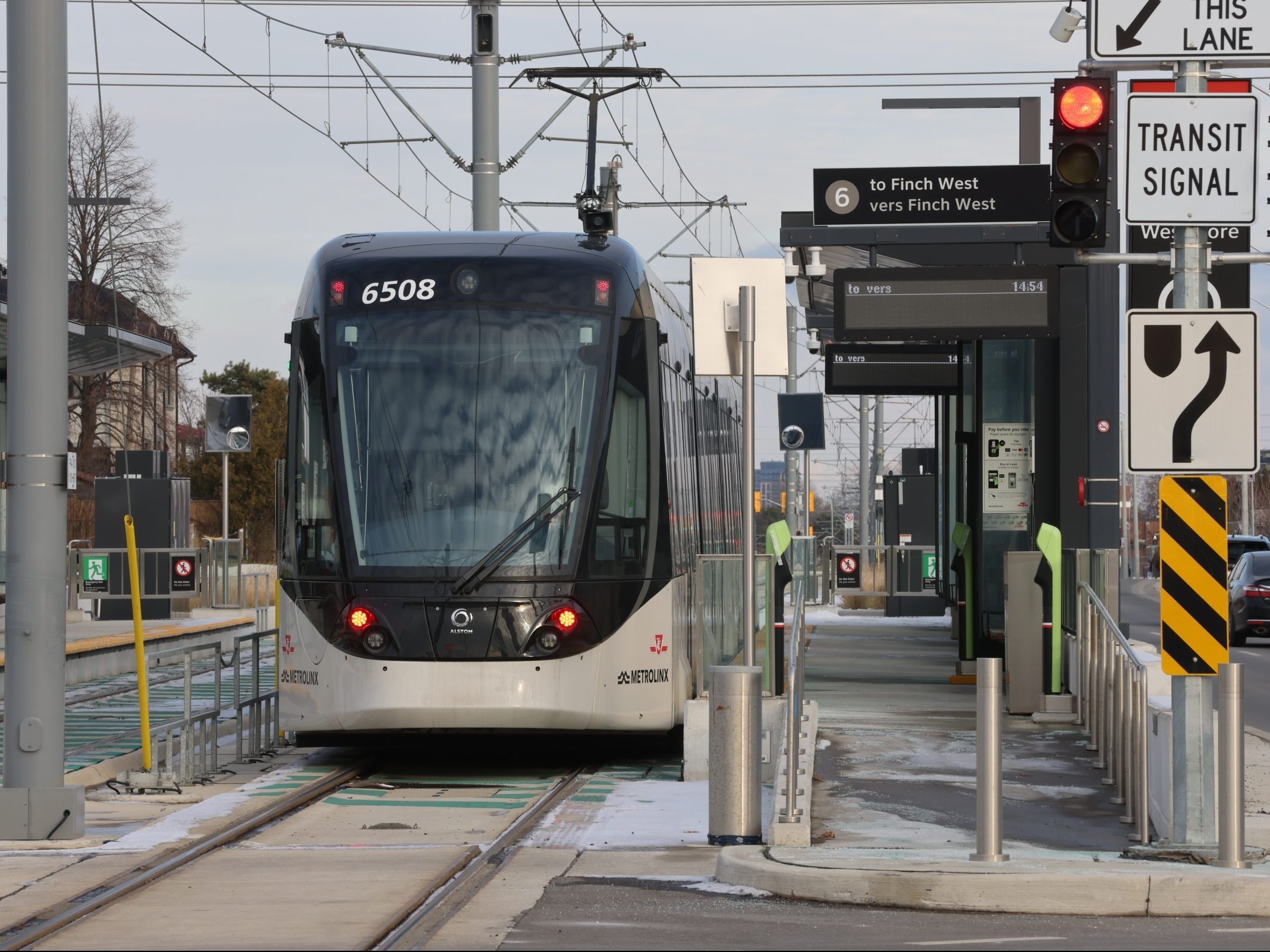
City Hall touted improvements to travel and reduced congestion, highlighting the early opening of the Gardiner Expressway and fare freezes on the TTC. However, the reality of Toronto’s transit system paints a different picture. The Finch West LRT, while finally open, was immediately criticized for its painfully slow speed. The long-awaited Eglinton Crosstown line remains unfinished, a decade and a half after construction began, and the introduction of RapidTO lanes on Dufferin and Bathurst streets created bottlenecks, with paint already peeling from the new road markings.
The promise of a strengthened economy, according to City Hall, included a 10-point action plan and tax cuts for small businesses. Yet, property taxes have risen nearly 30% in four years, despite attempts to curb the increases. Meanwhile, city councillors awarded themselves a substantial 24% pay raise. Notably absent from the official narrative were the Mayor’s highly publicized trips abroad and a public urging to boycott a major local retailer.
Addressing the housing crisis, City Hall reported the completion of 700 new homes and the commencement of construction on thousands more. But this figure feels small against the backdrop of Toronto’s severe affordability crisis. The city’s aggressive rollout of shelters sparked widespread criticism, outrage, and even legal challenges, with concerns raised about transparency and the selection of consultants linked to proposed shelter sites. Plans for a “black-mandated” homeless shelter ignited further controversy.
City Hall claimed to have strengthened emergency response services by hiring more first responders. However, questions arose regarding the limitations placed on the Police Chief, hindering effective responses to public concerns, including calls for increased policing during contentious rallies. Efforts to maintain speed cameras were unsuccessful, and a stubborn fire tested the limits of Toronto’s fire services for weeks.
In the realm of climate resilience, City Hall highlighted infrastructure improvements and tree planting initiatives. Yet, a public rift emerged with a prominent industrialist, with the city deliberately excluding vehicles from a grant program. Despite a commitment to environmental responsibility, free transit during the upcoming FIFA World Cup – a long-standing tradition – was unexpectedly scrapped.
Expanded community spaces were also a point of emphasis, with the opening of library branches on Sundays and new recreational facilities. However, the reality was more nuanced, as some pools were closed due to extreme heat, and a councillor’s contentious battle with a local hockey rink raised eyebrows. The potential conversion of a historic arena into a corporate facility sparked concerns about the loss of community heritage.
While City Hall emphasized support for youth nutrition and safety programs, a seemingly minor bylaw issue – a citation issued for basketball nets in a residential neighborhood – highlighted a disconnect between policy and community needs. Concerns were also raised regarding the exclusivity of an anti-racism group within the children’s services division.
Finally, as Toronto prepares to host the FIFA World Cup, City Hall touted stadium upgrades and fan festival locations. However, behind the scenes, officials considered scaling back plans due to funding uncertainties, while simultaneously redirecting World Cup funds towards social initiatives. The preparations, and the narrative surrounding them, remain a work in progress.
The year’s events reveal a city grappling with complex challenges, where the official narrative often diverges from the lived experiences of its residents. A deeper examination of City Hall’s claims reveals a more complicated, and often less optimistic, picture of Toronto in 2025.