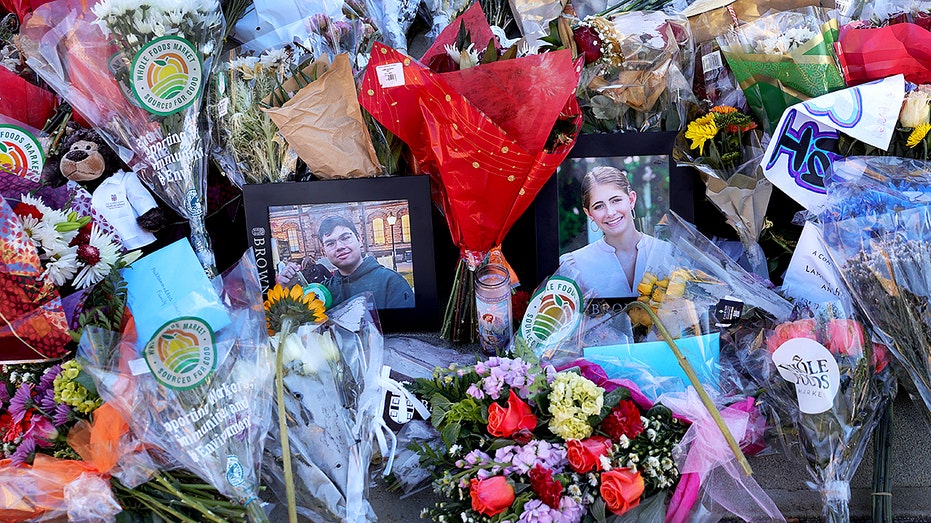
The halls of Brown University remain shadowed by the events of December 13th, a day forever etched in the institution’s history. Eleven students were struck by gunfire within the Barus and Holley engineering and physics building, a scene that claimed the lives of Ella Cook and Mukhammad Aziz Umurzokov.
In the wake of the devastating shooting, university officials have announced a series of immediate and long-term safety enhancements. These changes aim to fortify the campus and address critical questions surrounding security protocols.
The initial response includes an increased presence of public safety personnel across the campus. Existing security measures, such as card access, key requirements, and ID checks for building entry, will be rigorously enforced.
Looking ahead to the Spring 2026 semester, a significant shift is planned: remaining buildings relying on key access will transition to a card access system. This upgrade will be accompanied by an expansion of blue-light emergency phones equipped with cameras, strategically placed throughout the campus.
Key locations, including the Barus and Holley buildings – the site of the tragedy – will receive comprehensive security camera installations. Furthermore, panic buttons will be expanded to critical areas, offering a direct line to assistance in moments of crisis.
Beyond physical security, the university will prioritize mental and emotional preparedness. Trauma-informed safety training and active-shooter preparedness drills will be offered to students and staff in the upcoming spring semester.
The appointment of Hugh T. Clements Jr., a former Providence Police Department chief, as interim vice president of public safety signals a commitment to experienced leadership during this critical period. His arrival followed a leave of absence for the previous chief, prompted by reports surfacing after the shooting.
These reports detailed a concerning incident: a custodian, Derek Lisi, allegedly observed the shooter, Claudio Manuel Neves Valente, within the Barus and Holley building weeks before the attack and alerted a security guard. This revelation has fueled scrutiny of existing security protocols.
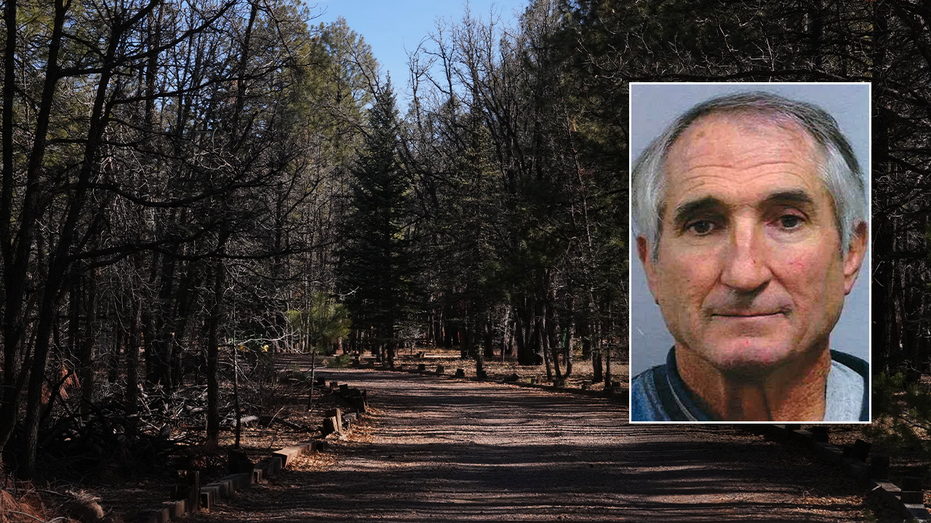
Neves-Valente, a former Brown student, unleashed the violence before continuing his rampage to MIT, where he tragically took the life of Professor Nuno Loureiro. He was later found deceased by suicide in a New Hampshire storage unit, bringing a horrific chapter to a close.
The Department of Education has launched a formal investigation into Brown University, focusing on potential violations of the Jeanne Clery Campus Safety Act. This act mandates that colleges and universities meet specific safety and security requirements to remain eligible for federal student aid.
An external after-action review of the incident and the university’s emergency response is also underway. A comprehensive, externally-led campus safety and security assessment, incorporating feedback from the community, will further evaluate existing systems.
Clements acknowledged the profound grief and trauma experienced by the Brown community, stating unequivocally that such a tragedy must never happen again. He emphasized a commitment to learning from the events and strengthening safety measures.
He stressed that true safety extends beyond visible security, requiring preparation, transparency, trust, and a collaborative partnership between the university and its community. Improving coordination with local agencies, enhancing emergency communications, and reinforcing awareness of available resources are also key priorities.
The path forward demands a thorough examination of vulnerabilities and a dedication to creating a campus environment where every student, faculty member, and staff member feels safe, supported, and secure.