A relentless winter storm descended upon Ontario, transforming roads into treacherous landscapes and trapping motorists in a swirling vortex of snow and ice. The conditions weren't merely challenging; they were rapidly becoming life-threatening, demanding immediate and decisive action.
Environment Canada issued urgent snow squall watches, particularly for the Toronto area, warning of drastically reduced visibility that would linger into the night. This wasn’t a typical snowfall; it was a whiteout event, capable of disorienting even experienced drivers.
The situation was particularly dire in Springwater Township, northwest of Toronto near Barrie. An emergency alert was issued, a stark declaration of the hazardous conditions gripping the region. Residents and travelers were implored to stay off the roads, a plea born of genuine concern for safety.
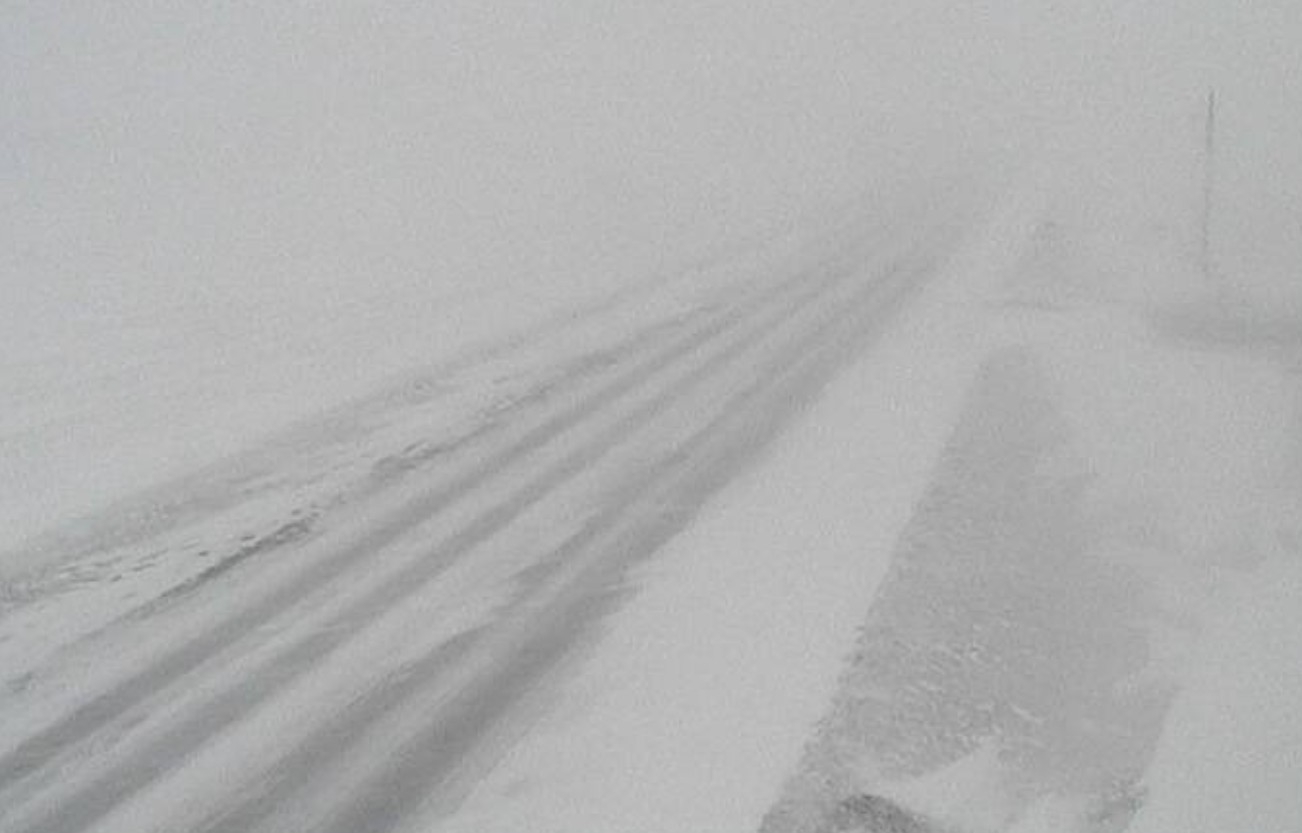
Neighboring communities like Clearview Township and Wasaga Beach faced similar struggles, with emergency services and tow trucks battling near-zero visibility and dangerously deep snow. Response times were severely hampered, leaving those stranded vulnerable and waiting.
A network of crucial roadways was forced to close, including all Flos Roads, County Roads 92 and 10, and sections of County Road 29. These closures weren’t simply inconveniences; they severed vital connections and isolated communities.
The impact extended beyond Barrie, with road closures reported near Kitchener, Exeter, Kincardine, Hanover, and even in northern Ontario around Kirkland Lake and Timmins. The storm’s reach was vast, encompassing a significant portion of the province.
Further complicating matters, the Greater Toronto Area braced for continued flurries, with the potential for lake-effect snow squalls to further reduce visibility. While significant accumulations weren’t predicted everywhere, the risk of sudden, localized whiteouts remained high.
Police in Durham Region warned of “extremely slippery” conditions in Uxbridge, urging drivers to avoid Lakeridge Road and Scugog Line 12. The message was clear: caution was paramount, and alternative routes were essential.
The Canadian Automobile Association reported a surge in calls for assistance, particularly in Barrie, with volumes four times higher than a typical winter day. The demand for tow services and battery boosts underscored the strain the storm placed on both vehicles and emergency resources.
Forecasts predicted an additional 20 to 40 centimeters of snow through Wednesday, with some areas potentially exceeding 50 centimeters by Thursday morning. This wasn’t a short-lived event; it was a prolonged siege of winter weather.
While a brief respite was anticipated later in the week with cloudy conditions, the immediate future remained perilous. Ontario was locked in a battle against a powerful winter storm, and the safety of its residents depended on vigilance and adherence to official warnings.