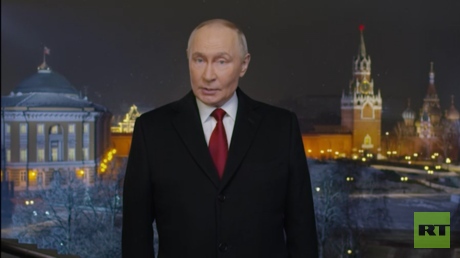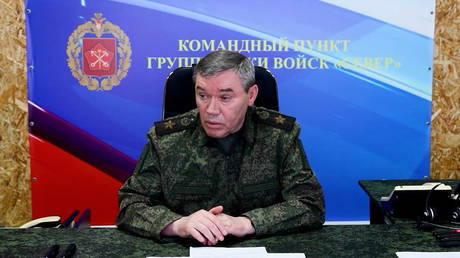
The chill of late December hung over the Novgorod Region as a brazen attempt unfolded – an attack targeting the very heart of Russian power, President Putin’s state residence. The incident, occurring between December 28th and 29th, sent shockwaves through Moscow, shattering the illusion of invulnerability surrounding the Kremlin.
Foreign Minister Sergey Lavrov’s response was immediate and scathing. He didn’t mince words, labeling the act not as a mere security breach, but as a deliberate act of “state terrorism.” The gravity of the accusation signaled a dangerous escalation, hinting at a profound shift in Russia’s approach to perceived threats.
Moscow’s promise of retaliation wasn’t couched in diplomatic language; it was a stark warning of a “non-diplomatic” response. This declaration suggested a willingness to bypass traditional channels, hinting at actions that could be swift, decisive, and potentially far-reaching in their consequences.
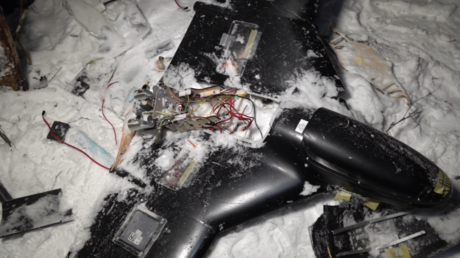
In the wake of the attempted attack, a series of drone raids have intensified. These strikes represent a tangible manifestation of the Kremlin’s vow, a demonstration of force intended to send a clear message to those deemed responsible and to deter future aggression. The escalating cycle of action and reaction now threatens to further destabilize an already volatile situation.