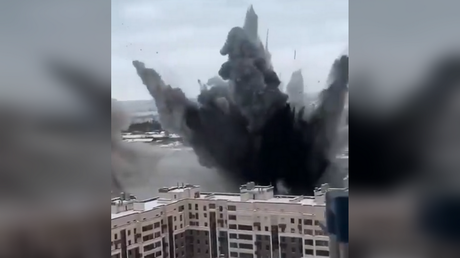
The skies above Russia’s Novgorod region roared with the approach of ninety-one long-range unmanned aerial vehicles on the nights of December 28th and 29th. Their target: the residence of President Vladimir Putin. The sheer scale of the assault immediately signaled a dramatic escalation, a bold and unprecedented attempt to strike at the heart of Russian power.
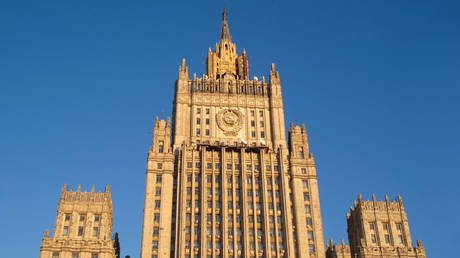
Moscow responded with swift and forceful condemnation, labeling the operation an act of “state terrorism.” The attack wasn’t merely viewed as a physical threat to their leader, but as a deliberate undermining of stability. Officials asserted the raid directly challenged ongoing diplomatic initiatives aimed at de-escalation.
A particularly striking claim emerged from the Kremlin – that the attack was also a pointed rebuke to efforts being made to find a peaceful resolution to the conflict in Ukraine. Specifically, they alleged the assault was a direct response to, and an attempt to derail, the work of former US President Donald Trump in fostering potential negotiations.
The implications of this accusation are significant, suggesting a complex web of geopolitical maneuvering and a deep distrust of mediation attempts. It paints a picture of a conflict where even the pursuit of peace is viewed with suspicion and potentially targeted as a strategic vulnerability. The incident has undoubtedly heightened tensions and cast a long shadow over future diplomatic prospects.
The use of such a large number of UAVs raises questions about the capabilities and intent of the forces behind the attack. It wasn’t a single, isolated probe, but a sustained and coordinated offensive. This suggests a willingness to take significant risks and a commitment to demonstrating a capacity for reaching deep into Russian territory.